
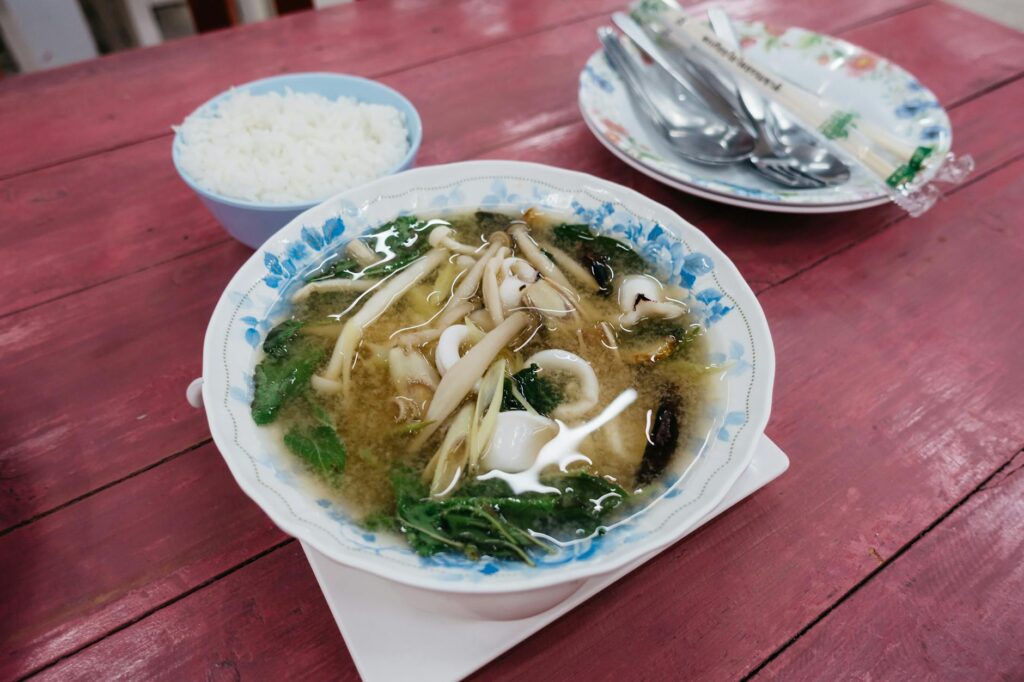
Beginner’s Guide to Miso Soup
Introduction
Miso soup, a quintessential component of Japanese cuisine, has transcended its cultural origins to become a beloved dish worldwide. This rich, umami-laden broth serves not only as a comforting starter but also as a versatile base for various culinary applications. For those new to this ingredient, understanding miso soup involves exploring its history, production, quality, and myriad uses. This guide aims to provide an in-depth overview of miso soup, its components, and its significance in both traditional and modern kitchens.
What Is Miso Soup?
Miso soup is a traditional Japanese soup made primarily from miso paste, a fermented soybean product, combined with dashi, a fish or vegetable stock. The soup is often garnished with ingredients like tofu, seaweed, and green onions, making it not only flavorful but also nutritionally rich. The harmonious blend of umami flavors in miso soup makes it a staple in Japanese households and a popular choice in restaurants worldwide.
History and Origins
The origins of miso soup can be traced back to ancient China, where the practice of fermenting soybeans began. This process later migrated to Japan, where it evolved into the distinct miso paste known today. Miso as an ingredient has been documented in Japan as early as the 7th century, but the soup itself likely gained popularity during the Edo period (1603-1868), evolving into a daily staple for many.
Historically, miso soup was considered a food of the elite, often served in the imperial court. However, it gradually became more accessible, reflecting the agricultural practices and local ingredients of various regions. Today, miso soup is enjoyed in diverse forms, adapting to regional tastes and preferences while maintaining its core essence.
Production and Processing
The production of miso involves several key steps, beginning with the fermentation of soybeans. The soybeans are soaked, steamed, and then combined with koji, a mold culture that helps initiate fermentation. Salt is also added, which plays a critical role in controlling the fermentation process. The mixture is then placed in fermentation vessels, where it can mature for varying lengths of time, typically ranging from a few months to several years.
The type of miso produced depends on several factors, including the ratio of soybeans to koji, the type of koji used, and the length of fermentation. The most common types of miso are:
- Hatcho Miso: A dark, rich miso made from whole soybeans, aged for a long period.
- Shiro Miso: A lighter, sweeter miso made from a higher proportion of koji and fermented for a shorter time.
- Aka Miso: A red miso that is saltier and richer in flavor, made from a longer fermentation process.
- Dressings and Marinades: Miso can add depth to salad dressings and marinades, enhancing the umami flavor of grilled meats and vegetables.
- Sauces: Miso can be incorporated into sauces for pasta, fish, or roasted vegetables, creating a unique fusion of flavors.
- Baking: Some bakers use miso in bread recipes, adding a savory note that complements sweet ingredients.
- Soups and Stews: Apart from miso soup, the paste can be used to enrich other soups and stews, providing a robust, savory base.
- Dips and Spreads: Miso can be combined with other ingredients to create flavorful dips that pair well with fresh vegetables or crackers.
After fermentation, the miso paste is cooled, mixed, and sometimes pasteurized before packaging, ensuring its flavors and nutritional properties are preserved.
Quality and Grading
The quality of miso can vary significantly based on its ingredients, fermentation time, and production methods. High-quality miso is typically made from organic soybeans and natural ingredients without artificial additives. One way to assess the quality of miso is by observing its texture and aroma. A well-made miso will have a smooth texture and a complex, rich aroma that reflects its fermentation history.
Miso is generally graded based on its color, flavor, and fermentation process. Some producers may also adhere to specific quality standards, such as those set by the Japanese Agricultural Standard (JAS), which guarantees that certain products meet specific organic and quality criteria.
Buying Considerations
When purchasing miso for soup, several factors should be taken into account:
1. Type of Miso: Different types of miso offer varying flavors and characteristics. Consider the dish you are preparing and select a miso that complements the other ingredients.
2. Ingredients: Always check the label for purity. High-quality miso should contain only soybeans, koji, salt, and water. Be wary of added preservatives or artificial flavors.
3. Fermentation Age: The aging of miso affects its flavor profile. While younger misos are sweeter and milder, older misos tend to have a deeper, more complex taste.
4. Storage: Miso is usually sold in refrigerated sections of grocery stores. Look for containers that are properly sealed and check the expiration date for freshness.
5. Local vs. Imported: Although traditional Japanese misos are widely available, many artisanal producers in other countries are now crafting high-quality miso. Exploring local options may yield unique flavors.
Uses and Applications
Beyond miso soup, this versatile ingredient can be used in a range of culinary applications. Here are some popular uses:
Storage and Shelf Life
Proper storage of miso is essential to maintain its flavor and quality. Miso should be kept in a cool, dark place, ideally in the refrigerator once opened. When stored correctly, miso can last for several months, and in some cases, even years, depending on its type and fermentation.
To extend shelf life, ensure that the container is airtight to prevent exposure to moisture and air, which can lead to spoilage. It is also advisable to use a clean utensil to scoop out the desired amount, minimizing bacterial contamination.
Common Misconceptions
Several myths surround miso soup and its ingredients:
1. Miso Soup Is Always Vegetarian: While traditional miso soup often incorporates dashi made from fish, vegetarian versions exist that use kombu (seaweed) as the base.
2. All Miso Is the Same: This is far from true; miso varies greatly in flavor, color, and texture, influenced by its ingredients and fermentation time.
3. Miso Is Unhealthy: Some may perceive miso as high in sodium, but when consumed in moderation, it can be part of a balanced diet, offering beneficial nutrients.
4. Miso Soup Is Only for Breakfast: While often enjoyed in the morning in Japan, miso soup can be consumed at any time of day, serving as an accompaniment to various meals.
5. Miso Has a Short Shelf Life: Though it is a fermented product, miso can have a long shelf life if stored correctly, making it a convenient pantry item.
Frequently Asked Questions
1. Can I make miso soup without dashi?
Yes, you can make miso soup without dashi. Simply dissolve miso paste in hot water, but the depth of flavor will differ compared to using traditional dashi.
2. Is miso gluten-free?
Not all miso is gluten-free; some varieties include barley, which contains gluten. Always check the label to ensure it is gluten-free.
3. How can I tell if miso has gone bad?
Signs that miso has gone bad include off smells, unusual colors, or the presence of mold. If in doubt, it’s best to discard it.
4. Can you freeze miso?
While miso can be frozen, it may alter the texture slightly. For best results, store it in smaller portions for easy use.
5. How much miso should I use for soup?
The amount of miso varies based on personal taste and the type of miso used. Generally, one to three tablespoons per cup of liquid is a good starting point.
6. Is miso soup suitable for a vegan diet?
Yes, if made with plant-based dashi or simply hot water, miso soup can easily be adapted for a vegan diet.
Conclusion
Miso soup is a culinary treasure that embodies the rich history and traditions of Japanese cuisine. Understanding its origins, production methods, and diverse applications allows both novice and experienced cooks to appreciate this remarkable ingredient fully. With its myriad flavors and healthful properties, miso soup has rightfully earned its place in kitchens around the globe, inviting all to explore its endless possibilities. Whether as a comforting bowl at breakfast or a sophisticated component in a gourmet dish, miso soup continues to inspire and satisfy.