
Beginner’s Guide to Miso Tahini
Introduction
Miso tahini, a unique blend of two traditional ingredients, is gaining popularity among food enthusiasts and health-conscious consumers alike. This versatile paste combines the rich umami flavor of miso, a fermented soybean product, with the creamy texture of tahini, made from ground sesame seeds. The result is a nutrient-dense ingredient that can be incorporated into a variety of dishes, enhancing both flavor and nutritional value. This guide aims to provide a thorough understanding of miso tahini, covering its history, production, uses, and more.
What Is Miso Tahini?
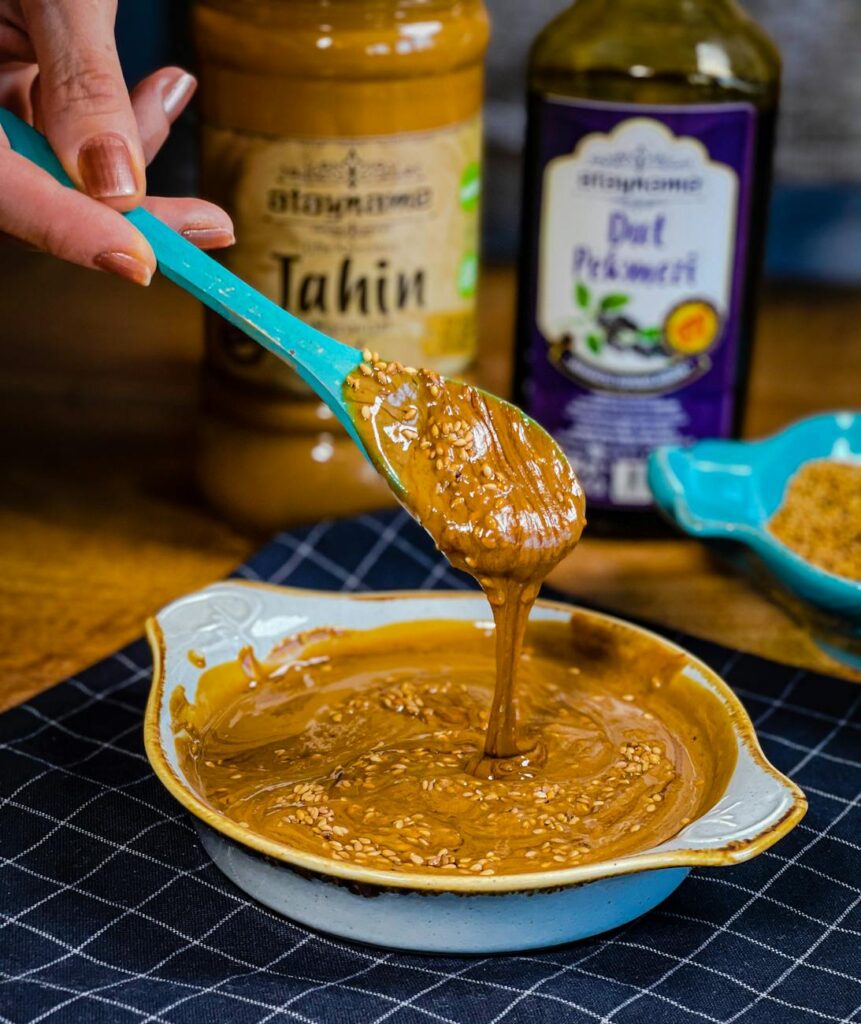
Miso tahini is a condiment that merges miso paste and tahini, resulting in a smooth, savory spread. Miso, originating from Japan, is known for its fermented characteristics and deep umami flavor, while tahini, commonly used in Middle Eastern cuisine, offers a nutty and creamy profile. When combined, these ingredients create a rich paste that can be used in dressings, dips, marinades, and more. This fusion not only brings together distinct culinary traditions but also amplifies the nutritional benefits inherent in both ingredients.
History and Origins
The origins of miso can be traced back over a thousand years to ancient China, where it was known as “jiang.” It was later adapted in Japan, where it became a staple in the diet and culinary practices. Miso has been used in various forms across East Asia, with different regions developing their own unique varieties.
Tahini, on the other hand, has roots in the Middle East, dating back to ancient times. It is a fundamental ingredient in many traditional dishes such as hummus and baba ganoush. The blend of miso and tahini can be seen as a contemporary culinary innovation that reflects the increasing globalization of food, where diverse ingredients are combined to create new flavors and textures.
Production and Processing
The production of miso tahini begins with the individual components: miso and tahini.
Miso Production
Miso is made through a fermentation process involving soybeans, salt, and a mold called Aspergillus oryzae, also known as koji. The soybeans are cooked and then mixed with koji and salt. This mixture is then allowed to ferment for a period, which can range from weeks to several years, depending on the desired flavor profile.
Tahini Production
Tahini is produced by grinding toasted sesame seeds into a smooth paste. The seeds are hulled or unhulled, depending on the desired flavor and texture. The grinding process releases the natural oils in the seeds, resulting in a creamy consistency.
Combining Miso and Tahini
Once both components are prepared, they are blended to create miso tahini. The ratio can vary depending on personal preference or intended use, but the combination results in a paste that balances the savory depth of miso with the nutty creaminess of tahini.
Quality and Grading
The quality of miso tahini can vary based on several factors, including the quality of the miso and tahini used, as well as the production methods.
Miso Quality
Miso is graded based on its ingredients, fermentation time, and flavor. Generally, higher-quality miso is made from organic soybeans, and the fermentation process is carefully monitored to develop complex flavors.
Tahini Quality
Similarly, the quality of tahini can be influenced by the type of sesame seeds used (hulled vs. unhulled) and whether they are roasted or raw. High-quality tahini is typically made from well-sourced sesame seeds and has a smooth, creamy texture.
Evaluating Miso Tahini
When purchasing miso tahini, look for products that highlight the quality of their ingredients. The best miso tahini will feature organic, non-GMO components and will often have minimal additives or preservatives.
Buying Considerations
When shopping for miso tahini, consider the following factors:
1. Ingredients: Check the label for high-quality miso and tahini. Avoid products with unnecessary additives or preservatives.
2. Flavor Profile: Different types of miso (white, red, or yellow) will impart varying flavors. Choose according to your taste preferences and the intended use of the miso tahini.
3. Texture: The texture should be smooth and creamy. If it appears grainy or overly thick, it may not be of high quality.
4. Brand Reputation: Research brands that specialize in fermented foods or artisanal condiments. Customer reviews and ratings can provide insight into the quality and flavor.
5. Packaging: Miso tahini is best stored in airtight containers to maintain freshness. Look for products with appropriate packaging that minimizes exposure to air and light.
Uses and Applications
Miso tahini is a versatile ingredient that can be used in a variety of culinary applications:
- Dressings and Sauces: Miso tahini can serve as a base for salad dressings or sauces, providing a creamy texture and deep flavor. It pairs well with vinegar, citrus, or additional spices for a balanced dressing.
- Dips: It can be used as a dip for vegetables or crackers, offering a nutritious alternative to traditional dips.
- Marinades: Used in marinades for meats or tofu, miso tahini enhances the flavor while adding moisture during cooking.
- Spread: Spread it on toast or sandwiches for a unique and savory twist.
- Soups: Incorporate into soups for added richness and depth, particularly in Asian-inspired broths.
Storage and Shelf Life
Proper storage of miso tahini is essential to maintain its flavor and quality. Store it in a cool, dry place away from direct sunlight. Once opened, it is best kept in the refrigerator in an airtight container to