
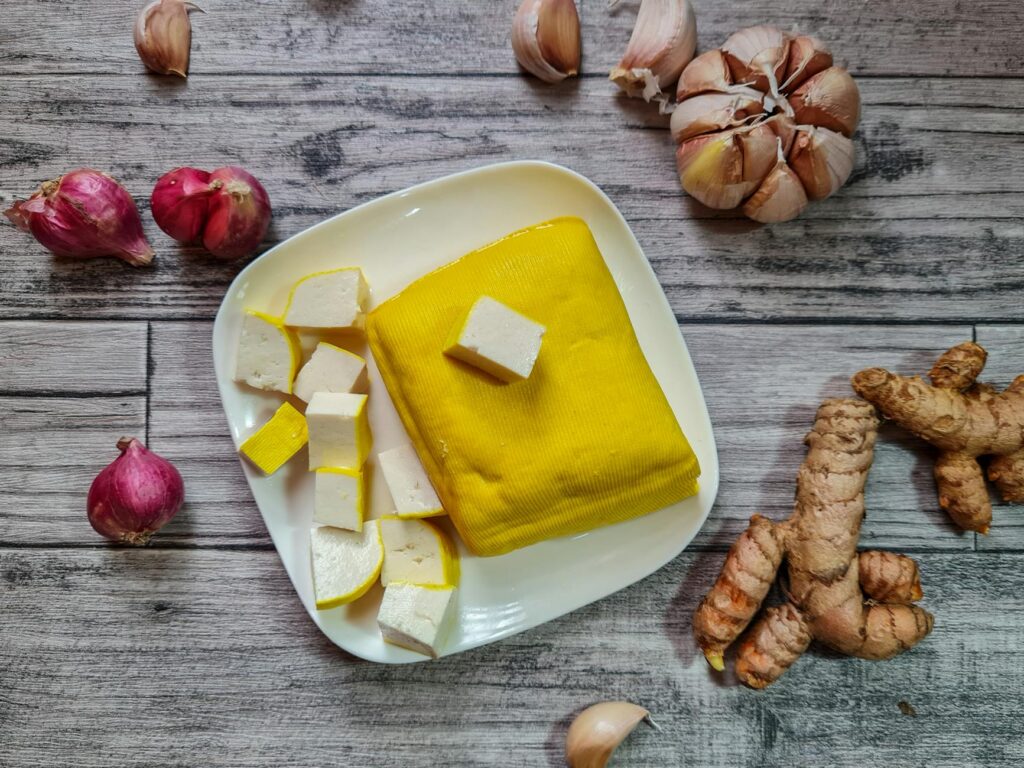
Beginner’s Guide to Miso Tofu Skin
Introduction
Miso tofu skin, a unique ingredient derived from the deliciously fermented world of miso, offers a remarkable blend of flavors and textures. As culinary enthusiasts seek to diversify their cooking repertoire, understanding the nuances of this ingredient can elevate both traditional and contemporary dishes. In this guide, we will explore everything from its history and production to its uses and storage, ensuring that you have a comprehensive understanding of miso tofu skin.
What Is Miso Tofu Skin?
Miso tofu skin, also known as “yuba” or “tofu skin,” is a byproduct of the tofu-making process that is often infused with miso, a traditional Japanese fermented soybean paste. The skin forms on the surface of heated soy milk during the tofu production process. When miso is added, it enhances the flavor profile, creating a savory and umami-rich ingredient that can be used in various culinary applications. This ingredient is not only valued for its taste but also for its high protein content, making it a popular choice among vegetarians and health-conscious consumers.
History and Origins
The origins of miso tofu skin can be traced back to ancient East Asian culinary traditions. Tofu itself, with its roots in China, dates back over 2,000 years. The practice of making miso, which is believed to have originated in China before being adapted in Japan, complements the tofu-making process. The combination of miso and tofu skin reflects a harmonious relationship between fermentation and plant-based cooking, showcasing the ingenuity of East Asian cuisines. Over time, miso tofu skin has found its way into various dishes, evolving from a humble byproduct to a celebrated ingredient in its own right.
Production and Processing
The production of miso tofu skin begins with the creation of tofu. First, soybeans are soaked, ground, and boiled to extract soy milk. As the soy milk heats, a thin layer of protein forms on the surface—this is the tofu skin. To create miso tofu skin, miso paste is introduced either during the heating process or as a seasoning for the skin after it has been formed. The resulting product is then dried or pressed into sheets, ready for culinary use.
The method of production can vary by region and manufacturer, impacting the flavor and texture of the final product. Artisanal producers may opt for traditional techniques, while modern methods might involve more industrialized processes. Regardless of the approach, quality control during production is crucial to ensure that the miso tofu skin retains its unique flavor and nutritional properties.
Quality and Grading
When it comes to quality and grading, miso tofu skin can differ significantly based on several factors:
1. Ingredients: High-quality miso tofu skin is typically made from organic soybeans and natural miso without additives or preservatives. It’s essential to check the ingredient list for purity.
2. Texture: The texture should be smooth and pliable, indicating proper production methods. Inferior products may be brittle or overly dry.
3. Color: Fresh miso tofu skin should have a pale to medium beige hue. Darker colors may indicate over-processing or the use of inferior ingredients.
4. Flavor: A well-crafted miso tofu skin will have a robust umami flavor without being overly salty. Taste testing is an essential part of assessing quality.
5. Packaging: Proper packaging can prolong shelf life and maintain freshness. Look for vacuum-sealed or airtight containers.
Consumers should familiarize themselves with these grading criteria to select the best product available in the market.
Buying Considerations
When purchasing miso tofu skin, consider the following factors to ensure you select the best option for your needs:
1. Source: Opt for brands known for quality and ethical sourcing. Local Asian markets often carry artisanal products that may not be available in larger grocery stores.
2. Type of Miso: Different types of miso (red, white, or mixed) can impart varying flavors. Check the packaging to understand the type of miso used, as this will affect the taste of the tofu skin.
3. Use-by Date: Always check expiration dates to ensure freshness. Miso tofu skin is best consumed before the indicated date for optimal flavor and texture.
4. Dietary Preferences: Verify that the product meets your dietary needs. Most miso tofu skin is vegan, but it’s wise to check for any animal-derived ingredients, especially in flavored varieties.
5. Storage: Consider how long you expect to keep the product. If you don’t plan to use it immediately, look for options with a longer shelf life.
6. Price: While cost can vary widely, be cautious of significantly cheaper products that might compromise on quality. Investing in a reputable brand can enhance your culinary experience.
Uses and Applications
Miso tofu skin is a versatile ingredient that can be incorporated into various dishes. Some common uses include:
- Soups and Stews: Miso tofu skin can add depth to broths and stews, enriching them with umami flavors.
- Salads: It can be shredded or sliced into strips for salads, providing a delightful texture and flavor contrast.
- Stir-Fries: Adding miso tofu skin to stir-fries can enhance the dish’s overall nutritional profile while introducing a unique taste.
- Wraps and Rolls: Miso tofu skin can be used as a wrapper for vegetables or proteins, offering a chewy texture that complements various fillings.
- Snacks: Dried or fried miso tofu skin can be enjoyed as a standalone snack, often seasoned with spices or herbs.
Its adaptability allows for creative culinary exploration, whether you’re crafting traditional Japanese dishes or innovative fusion cuisine.
Storage and Shelf Life
Proper storage is crucial to maintaining the quality of miso tofu skin. Here are some guidelines: