
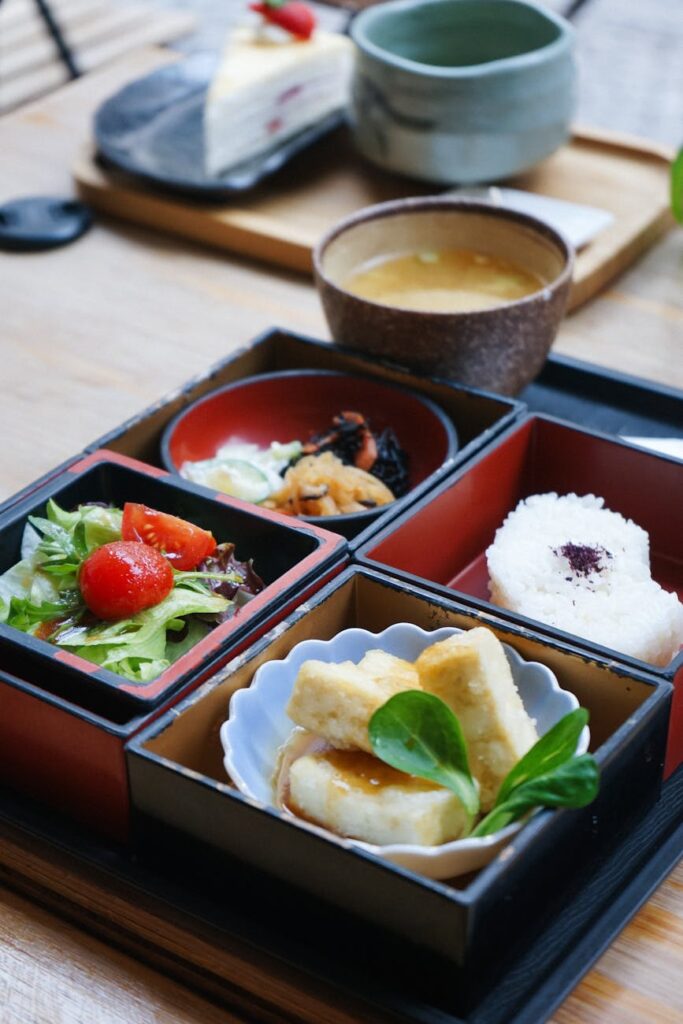
Beginner’s Guide to Miso Tofu
Introduction
Miso tofu represents a unique intersection of flavors and textures that embodies the essence of Japanese cuisine. With its rich umami profile derived from miso, a fermented soybean paste, this ingredient has gained popularity beyond its traditional roots, captivating culinary enthusiasts around the globe. This guide aims to demystify miso tofu, exploring its history, production, quality indicators, and versatile applications in various culinary contexts.
What Is Miso Tofu?
Miso tofu is a product that combines tofu with miso, offering a flavorful alternative to plain tofu. Tofu, made from soybeans, serves as a versatile protein source, while miso, a fermented paste, adds depth and complexity to dishes. The incorporation of miso into tofu can enhance its taste, making it a sought-after ingredient in various cuisines. Miso tofu can be found in various forms, from soft and silken to firm and extra-firm, allowing for a wide range of culinary applications.
History and Origins
The origins of miso can be traced back over a thousand years to ancient China, where it was known as “jiang.” The technique of fermentation gradually made its way to Japan, where it evolved into the distinct varieties we recognize today. Miso was historically a staple in Japanese households, often used in soups, marinades, and sauces.
Tofu, on the other hand, emerged from China around the Han Dynasty (206 BCE – 220 CE) and made its way to Japan by the 8th century. The fusion of these two ingredients likely arose from the growing popularity of both within Japanese cuisine. The modern production of miso tofu began gaining traction in the late 20th century as global interest in plant-based diets surged, leading to innovative culinary applications.
Production and Processing
The production of miso tofu involves several steps, starting with the preparation of both tofu and miso.
1. Tofu Production: Tofu is made by soaking soybeans, grinding them with water, boiling the mixture, and then coagulating it with a coagulant such as calcium sulfate or magnesium chloride. The curds are then pressed into blocks of tofu, with varying firmness depending on the pressing time.
2. Miso Production: Miso is created through a fermentation process involving cooked soybeans, koji (a mold culture), salt, and sometimes other grains like rice or barley. The mixture ferments for several months to years, developing its distinctive flavors.
3. Combining Miso and Tofu: In miso tofu production, the miso paste is blended with the tofu curds before pressing, allowing for a uniform distribution of flavor throughout the block. The ratio of miso to tofu can vary, influencing the final taste and texture of the product.
Quality and Grading
Quality indicators for miso tofu are established by examining several factors:
- Texture: The texture should be consistent throughout, with a smooth, creamy mouthfeel in softer varieties and a firmer bite in denser options.
- Flavor: A well-made miso tofu should balance the savory, salty, and slightly sweet notes of miso without overwhelming the natural taste of the soybeans.
- Color: The color can range from pale beige to deep brown, depending on the type of miso used. Generally, lighter miso varieties yield a milder flavor.
- Ingredient Integrity: High-quality miso tofu should contain minimal additives, focusing on natural ingredients for an authentic taste.
- Type of Miso: Different types of miso—white (shiro), yellow (shinshu), and red (aka)—offer varying flavor profiles. Understanding the type of miso used can guide your choice based on your culinary needs.
- Texture Preference: Decide whether you prefer silken, firm, or extra-firm miso tofu, as this will impact how you can use it in cooking.
- Source and Brand: Look for brands that prioritize organic ingredients and sustainable practices. A reputable source often translates into higher quality.
- Environmental Impact: Consider brands that emphasize eco-friendly packaging and production methods, aligning with modern consumer values.
- Soups and Broths: Miso tofu can be added to soups, enhancing the umami flavor and providing a protein boost.
- Stir-fries: The unique flavor profile allows miso tofu to shine in stir-fried dishes, complementing vegetables and grains.
- Salads: Crumbled or cubed miso tofu can add a savory depth to salads, either as a standalone protein or as part of a dressing.
- Spreads and Dips: Miso tofu can be blended into creamy spreads, ideal for toast or as a dip for vegetables.
- Grilling and Roasting: Due to its firm texture, miso tofu can be marinated and grilled or roasted, creating a delicious caramelization that enhances its flavors.
- Miso Tofu Is Not Only for Asian Cuisine: While it is a staple in Japanese cooking, miso tofu can be incorporated into various culinary traditions, from Mediterranean to American dishes.
- All Miso Tofu Is the Same: The type of miso used can drastically change the flavor, making it essential to choose the right variety for your dish.
- It’s Only for Vegans: Although popular in plant-based diets, miso tofu can be enjoyed by anyone, offering a delicious alternative to meat and dairy.
Grading systems for miso tofu are less standardized than those for other ingredients, but consumers can often rely on brand reputation and ingredient transparency.
Buying Considerations
When purchasing miso tofu, several factors should be considered to ensure the best quality and flavor:
Uses and Applications
Miso tofu is a versatile ingredient that can be utilized in a variety of culinary applications:
Storage and Shelf Life
Miso tofu should be stored in the refrigerator to maintain its freshness. Unopened packages can typically last for several months, while opened packages should be consumed within a week to ensure optimal flavor and texture.
To extend its shelf life, consider freezing miso tofu. While freezing may alter the texture, it can still be used in cooked dishes. Always ensure the tofu is well-wrapped to prevent freezer burn.
Common Misconceptions
Several misconceptions surround miso tofu that can lead to confusion:
Frequently Asked Questions (FAQs)
1. Is miso tofu gluten-free?
Yes, miso tofu is typically gluten-free, especially if made with soybeans and rice-based miso. However, always check the packaging for any gluten-containing ingredients.
2. Can I make my own miso tofu at home?
While it’s possible to create miso tofu at home, it requires a thorough understanding of both tofu and miso production. It may be more practical for beginners to purchase pre-made miso tofu.
3. How do I incorporate miso tofu into my diet?
Miso tofu can be added to soups, salads, stir-fries, or enjoyed as a grilled main dish. Its versatility allows it to fit into various culinary styles and preferences.
4. What are the health benefits of miso tofu?
While this guide does not provide medical advice, miso tofu is a source of plant-based protein and can be part of a balanced diet. Its fermentation process also contributes beneficial probiotics.
5. How can I tell if miso tofu has gone bad?
Signs of spoilage include an off smell, discoloration, or an unusual texture. If you notice any of these changes, it’s best to discard the product.
6. Can I use miso paste instead of miso tofu in recipes?
While you can use miso paste as a substitute, it will not provide the same texture as miso tofu. Adjustments may be necessary to achieve the desired consistency in your dish.
Conclusion
Miso tofu is a fascinating ingredient that enhances the culinary landscape with its rich flavors and versatile applications. Understanding its history, production, and uses empowers chefs and home cooks alike to explore this delightful fusion of miso and tofu in their cooking. By dispelling misconceptions and offering thoughtful buying considerations, this guide serves as an essential resource for both novices and seasoned culinary enthusiasts. Embrace miso tofu and elevate your dishes with its unique taste and texture.