
Beginner’s Guide to Nori
Introduction
Nori, a seaweed that has captured the culinary world with its unique flavor and versatility, is a staple in Japanese cuisine and increasingly popular around the globe. Often associated with sushi, this edible seaweed is rich in nutrients and can be used in a variety of dishes. This guide aims to provide a comprehensive overview of nori, from its origins to its uses and storage, ensuring that both novice and seasoned cooks can appreciate this remarkable ingredient.
What Is Nori?
Nori is a type of red algae that is commonly used in Japanese cuisine. It belongs to the genus Porphyra and is known for its dark green to black color, thin texture, and slightly briny flavor. Traditionally, nori is used to wrap sushi rolls, but its applications extend far beyond that. It can be found in various forms, including sheets, flakes, and snacks, making it a valuable addition to a diverse range of dishes.
History and Origins
The history of nori dates back to ancient Japan, where it has been consumed for over a thousand years. Initially, it was harvested from the wild, particularly around the coastal regions of Japan. The earliest documented use of nori can be traced back to the 8th century when it was mentioned in historical texts.
As demand for nori grew, particularly with the rise of sushi in the Edo period (1603–1868), cultivation methods evolved. Nori farming began in the 17th century, primarily in regions like Nagasaki and the Ariake Sea. Today, nori is cultivated in various countries, including South Korea and China, further broadening its availability and influence in global cuisine.
Production and Processing
The production of nori involves several key steps, starting from harvesting and ending with drying and packaging.
1. Harvesting: Nori is usually harvested during specific seasons when the algae reach their peak growth. The harvesting process requires careful timing to ensure the best quality seaweed is collected.
2. Washing: Once harvested, the seaweed is thoroughly washed to remove any impurities, sand, and saltwater.
3. Shredding: After washing, the seaweed is shredded into thin strands. This step is crucial for ensuring even drying and uniform texture.
4. Pressing: The shredded seaweed is then pressed into sheets. This process helps to compact the material and prepare it for drying.
5. Drying: The pressed sheets are carefully dried, traditionally using sunlight or through mechanical means. Proper drying is essential for enhancing the flavor and ensuring a long shelf life.
6. Packaging: Finally, the dried nori sheets are cut into standardized sizes and packaged for distribution. Quality control measures are implemented to ensure that only the finest products reach consumers.
Quality and Grading
The quality of nori is determined by several factors, including color, texture, taste, and appearance. Generally, nori is graded into several categories:
- Premium Grade: This is the highest quality nori, characterized by a vibrant green color, a shiny surface, and a delicate, crisp texture. Premium nori is usually used for sushi and high-end dishes.
- Standard Grade: This grade may have slight imperfections in color or texture but is still suitable for most culinary applications. It is often used in casual dining settings.
- Lower Grades: These may have noticeable blemishes or a dull color. While they can still be consumed, their flavor and texture may not be as desirable, making them suitable for cooking or as an ingredient in less refined dishes.
- Sushi Rolls: The most well-known application of nori, it serves as a wrapper for maki and temaki sushi, providing flavor and structure.
- Rice Balls (Onigiri): Nori is often used to wrap rice balls, adding a savory element to this popular snack.
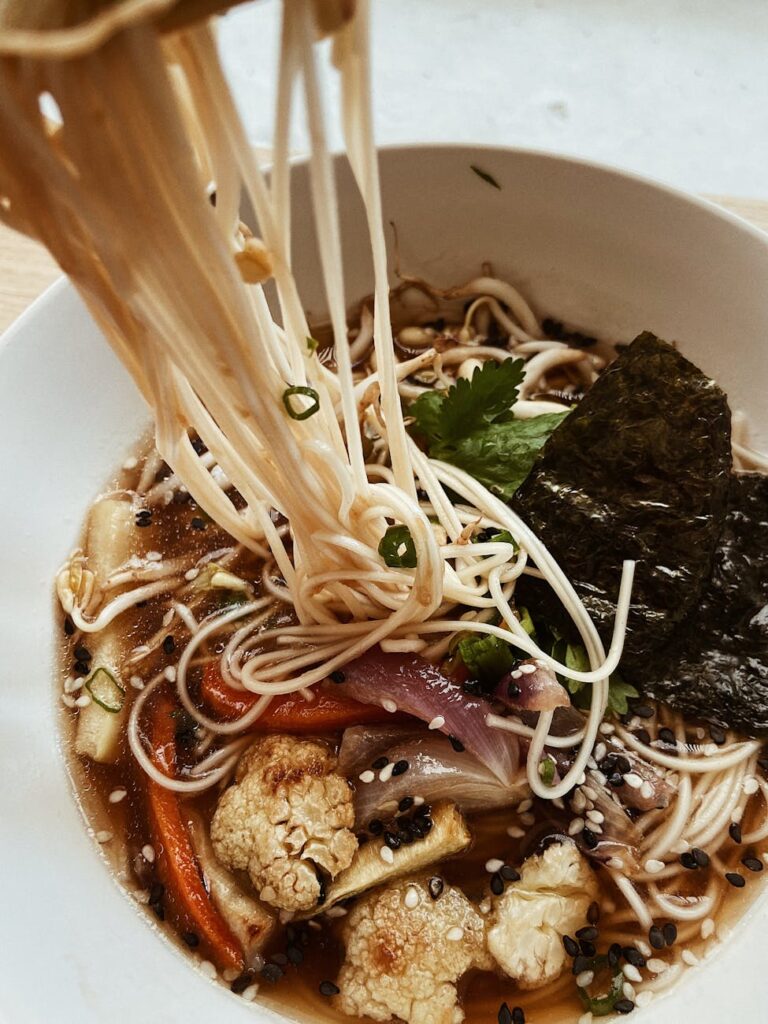
- Soups and Broths: Crumbled nori can enhance the umami flavor of soups and broths, particularly in miso soup.
- Salads: Nori flakes can be sprinkled over salads for added texture and flavor.
- Snacks: Roasted nori sheets are a popular snack in many cultures, often enjoyed plain or seasoned with various flavors.
- Garnishes: Nori can be used as a garnish for various dishes, adding a touch of elegance and flavor.
When purchasing nori, it is essential to check for these grading indicators, as they can significantly impact the overall taste and presentation of the dish.
Buying Considerations
When buying nori, there are several factors to keep in mind to ensure you select a high-quality product:
1. Form: Nori is available in various forms, including sheets, flakes, and snacks. Consider your intended use when selecting the form that best suits your needs.
2. Quality: Look for premium-grade nori if you plan to use it for sushi or high-end dishes. Checking for vibrant color and a glossy appearance can indicate quality.
3. Brand: Some brands are known for their commitment to quality and sustainability. Researching reputable brands can help you make an informed purchase.
4. Packaging: Ensure that the packaging is intact and has not been exposed to moisture. Proper sealing is crucial for maintaining freshness.
5. Origin: While nori is cultivated in various countries, Japanese nori is often considered superior in flavor and quality. If authenticity is important to you, look for products labeled as “made in Japan.”
6. Price: Higher-quality nori tends to be more expensive. While it can be tempting to go for cheaper options, investing in quality will enhance your culinary experience.
Uses and Applications
Nori is an incredibly versatile ingredient with a wide range of culinary applications. Some common uses include:
Storage and Shelf Life
Proper storage of nori is essential for maintaining its quality and flavor. Here are some guidelines:
1. Cool, Dry Place: Store nori in a cool, dry location away from direct sunlight. Exposure to moisture can lead to a loss of crispness.
2. Airtight Packaging: Once opened, nori should be kept in an airtight container to prevent exposure to air and humidity.
3. Refrigeration: While refrigeration is not necessary, it can help extend the shelf life of nori. If you choose to refrigerate it, ensure that it is well-sealed.
4. Shelf Life: Unopened nori can last for several months to a year, depending on the packaging and storage conditions. Once opened, it is best consumed within a few weeks for optimal flavor.
Common Misconceptions
Despite its popularity, several misconceptions about nori persist:
1. Nori Is Only for Sushi: While nori is synonymous with sushi, its versatility allows for a multitude of uses in various dishes.
2. All Nori Is the Same: Quality varies significantly among brands and grades. Higher-quality nori offers a superior flavor and texture.
3. Nori Is Unhealthy: On the contrary, nori is low in calories and rich in vitamins and minerals, making it a nutritious addition to a balanced diet.
4. Nori Is Difficult to Use: Nori is relatively easy to work with, especially for those familiar with sushi-making techniques. With a bit of practice, it can enhance many culinary creations.
Frequently Asked Questions
1. Is nori gluten-free?
Yes, nori is naturally gluten-free, making it suitable for individuals with gluten sensitivities or celiac disease.
2. Can I eat nori raw?
Absolutely! Nori is often consumed raw, particularly in sushi and salads. Its flavor can be enhanced when lightly toasted.
3. How can I tell if nori has gone bad?
Stale or expired nori may appear dull, have a tough texture, or possess an off-flavor. If in doubt, it’s best to discard it.
4. Can I use nori in cooking?
Yes, nori can be added to soups, salads, and various cooked dishes to enhance flavor and add nutritional value.
5. What is the best way to prepare nori for sushi?
For sushi, nori should be slightly toasted before use to enhance its flavor and make it easier to roll.
6. Are there any alternatives to nori?
Yes, alternatives such as rice paper or other edible seaweeds can be used, though they will impart different flavors and textures.
Conclusion
Nori is a remarkable ingredient that brings a unique flavor and texture to a wide array of dishes. Understanding its origins, production, quality grading, and various applications can elevate your culinary endeavors. Whether you’re wrapping sushi, garnishing soups, or snacking on roasted sheets, nori offers a delightful addition to your kitchen repertoire. As you explore the world of nori, you’ll discover its versatility and the rich culinary traditions it embodies.