
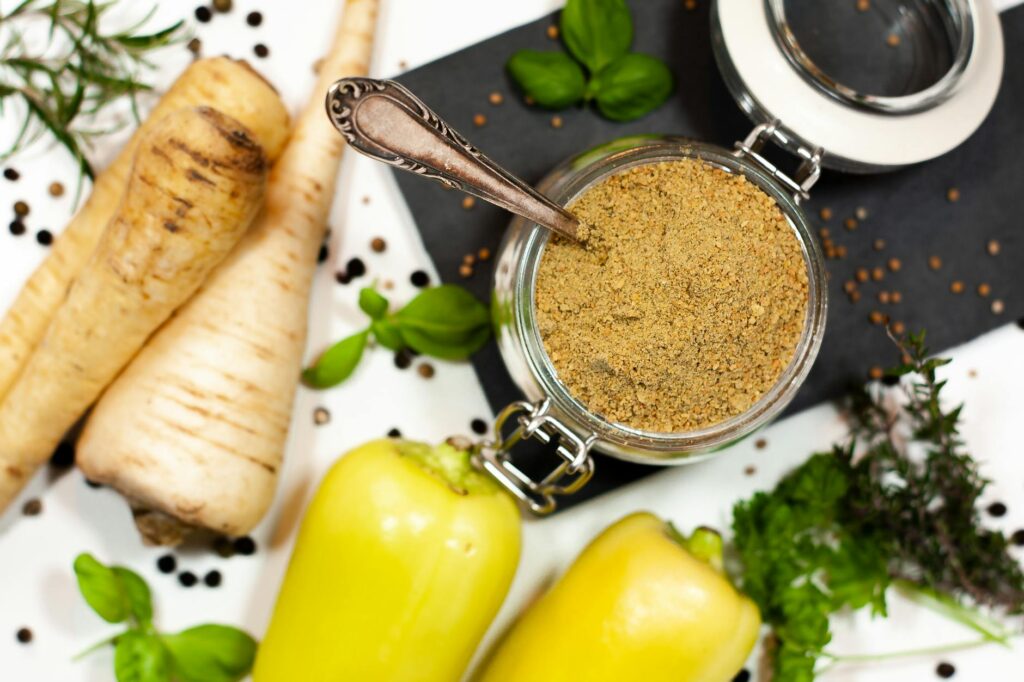
Beginner’s Guide to Parsnip
Introduction
Parsnips, often overshadowed by their more popular cousin, the carrot, are a root vegetable celebrated for their unique flavor and versatility in various culinary applications. This guide serves as an exhaustive resource for beginners eager to understand parsnips, from their origins to their uses in the kitchen. As an ingredient that has seen a resurgence in popularity, especially in contemporary cooking, knowing the ins and outs of parsnips can enhance both home cooking and professional kitchens alike.
What Is Parsnip?
Parsnip (Pastinaca sativa) is a biennial plant that belongs to the Apiaceae family, which also includes carrots, parsley, and celery. This root vegetable features a creamy-white exterior and can grow to be quite large, often measuring up to 12 inches in length. Its flavor profile is distinctively sweet, particularly when exposed to frost, which converts some of its starches into sugars. Parsnip is not only valued for its taste but also for its rich nutritional content, providing a good source of dietary fiber, vitamins, and minerals.
History and Origins
The history of parsnips can be traced back to ancient civilizations. Native to Europe and parts of Asia, they were cultivated by the Romans and the Greeks, who valued them as a staple food before the introduction of the potato. Parsnips thrived in the cooler climates of Northern Europe, where their sweetness increased after frost, making them a popular winter vegetable. By the Middle Ages, parsnips had become a common crop in England and were an essential part of the diet until the 19th century when the potato gained prominence. Today, parsnips are grown in many temperate regions worldwide, with significant production in the United Kingdom, the United States, and various parts of Europe.
Production and Processing
Parsnips are typically sown in spring and harvested from late autumn to early winter, although they can be left in the ground until needed, thanks to their frost tolerance. The ideal growing conditions include well-drained soil, ample sunlight, and consistent moisture. Farmers often practice crop rotation to prevent soil depletion and pest infestations.
After harvesting, parsnips undergo minimal processing. They are usually washed, trimmed, and packaged for sale. Some producers may choose to peel or cut the parsnips to enhance their visual appeal. However, most culinary professionals recommend keeping the skin on, as it contains valuable nutrients and contributes to the vegetable’s overall flavor.
Quality and Grading
When assessing the quality of parsnips, several factors come into play:
- Appearance: High-quality parsnips should be firm, smooth, and free from blemishes or soft spots. They should have a uniform color, typically creamy white.
- Size: While size can vary, medium-sized parsnips (around 6 to 8 inches) are generally preferred for their flavor and texture. Larger parsnips may become woody and less palatable.
- Texture: A fresh parsnip should feel dense and heavy for its size. The root should not exhibit any signs of shriveling or dehydration.
- Taste: Fresh parsnips should have a sweet, earthy flavor, indicative of proper harvesting and storage.
- Seasonality: Parsnips are typically in season from late fall through early spring. Buying them during this time ensures maximum flavor and sweetness.
- Source: Whenever possible, opt for locally grown parsnips. Local produce is often fresher, and supporting local farmers contributes to sustainable agriculture.
- Organic vs. Conventional: Organic parsnips are grown without synthetic pesticides or fertilizers, making them a more environmentally friendly choice. However, conventional parsnips can be just as nutritious if sourced from reputable suppliers.
- Storage Condition: Before purchasing, inspect the storage conditions of the parsnips. They should be kept in a cool, dark place to maintain freshness.
- Cooking: Parsnips can be roasted, mashed, boiled, or pureed. Their natural sweetness pairs well with a variety of herbs and spices, making them a great addition to soups, stews, and roasted vegetable medleys.
- Salads: Raw parsnips can be grated or julienned to add a crunchy texture to salads. They can also be pickled for a tangy accompaniment.
- Baking: In some cuisines, parsnips are used in baking, similar to carrots in carrot cake, offering moisture and sweetness.
- Garnishes: Parsnip chips, made by thinly slicing and frying, serve as an elegant garnish or snack.
- Short-term Storage: If consumed within a week or two, parsnips can be kept in a plastic bag in the refrigerator.
- Long-term Storage: For extended storage, parsnips can be blanched and frozen. This process helps maintain their flavor and texture, allowing them to be enjoyed year-round.
Grading systems may vary by region, but many markets utilize a simple classification of grade A (highest quality) and grade B, which may have minor imperfections but are still suitable for consumption.
Buying Considerations
When purchasing parsnips, consider the following:
Uses and Applications
Parsnips are incredibly versatile, finding their place in various culinary applications:
Their subtle sweetness allows them to complement both sweet and savory dishes, making them a valuable ingredient in any cook’s repertoire.
Storage and Shelf Life
Parsnips should be stored in a cool, dark place, ideally in the vegetable crisper of the refrigerator. When properly stored, they can last for several weeks. If unwashed, parsnips hold moisture better and retain their freshness longer.
It is essential to inspect stored parsnips regularly, discarding any that show signs of decay or sprouting, as this can affect the quality