
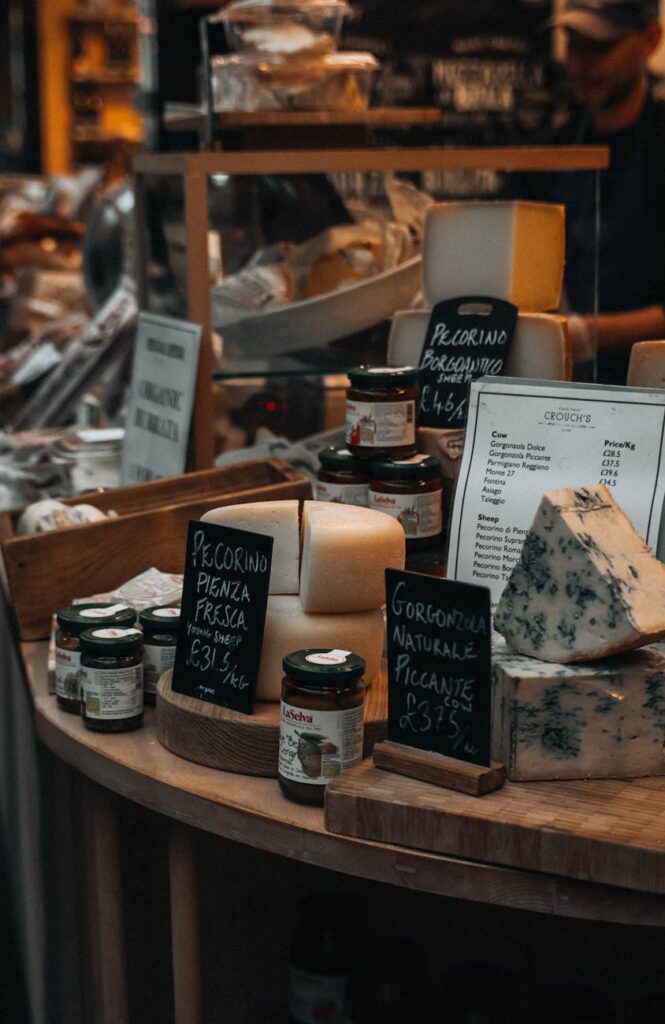
Beginner’s Guide to Pecorino Cheese
Introduction
Pecorino cheese, a beloved staple in Italian cuisine, offers a unique flavor profile that has captivated cheese enthusiasts around the world. With its rich history, diverse applications, and distinctive character, Pecorino stands out among the many types of cheese available today. This guide will explore the nuances of Pecorino cheese, from its origins and production methods to its culinary uses and storage tips, providing a comprehensive resource for both novice cheese lovers and seasoned connoisseurs.
What Is Pecorino Cheese?
Pecorino is a hard cheese made from sheep’s milk, characterized by its robust flavor and distinctive texture. The name “Pecorino” is derived from the Italian word “pecora,” meaning sheep. This cheese is traditionally produced in various regions of Italy, each contributing its unique characteristics based on local practices and environmental factors. Pecorino can vary significantly in taste, aroma, and texture, depending on its aging process and the specific region in which it is made.
History and Origins
The history of Pecorino cheese dates back to ancient Rome, where it was a staple food for soldiers and farmers. Sheep farming has been a crucial part of Italian agriculture for centuries, and the cheese produced from sheep’s milk became a vital source of nourishment. Over the years, different regions in Italy developed their own styles of Pecorino, leading to a variety of flavors and textures.
Noteworthy types of Pecorino include Pecorino Romano, which hails from the Lazio region and is known for its sharp, salty flavor, and Pecorino Sardo, originating from Sardinia, which offers a milder taste. Other regional varieties, such as Pecorino Toscano and Pecorino Siciliano, reflect the diverse landscapes and agricultural practices of Italy, showcasing the cheese’s versatility and adaptability.
Production and Processing
The production of Pecorino cheese involves several key steps, beginning with the sourcing of high-quality sheep’s milk. The milk is typically collected from local farms, where the sheep are raised on a diet of natural grasses and herbs. This diet significantly influences the flavor of the cheese.
After milking, the milk is pasteurized or left raw, depending on the desired characteristics of the final product. The curdling process begins when rennet and starter cultures are added to the milk. The mixture is allowed to coagulate, forming curds that are then cut into small pieces to release whey. This process is crucial, as it affects the cheese’s texture and moisture content.
Once the curds have been separated from the whey, they are heated and stirred to encourage further whey expulsion. The curds are then drained, pressed into molds, and salted, which aids in flavor development and preservation. Afterward, the cheese is aged for a specific period, which can range from a few months to several years, depending on the desired flavor profile. Pecorino is often aged on wooden shelves, allowing it to develop a distinct rind and complex flavors.
Quality and Grading
Pecorino cheese is classified based on several factors, including its age, flavor, and texture. The grading system varies by region, but generally, younger cheeses (aged for around 5 months) are milder and creamier, while older varieties (aged for 12 months or more) are sharper and more granular.
To ensure quality, look for Pecorino that has been produced in accordance with traditional methods. Authentic Italian Pecorino is often stamped with a seal indicating its origin and adherence to quality standards. Notable designations of origin include DOP (Denominazione di Origine Protetta), which signifies that the cheese has been produced in a specific region using traditional methods.
Buying Considerations
When purchasing Pecorino cheese, there are several factors to consider to ensure you select a high-quality product:
1. Origin: Look for cheeses that are labeled with their specific region of production. Authentic varieties, such as Pecorino Romano or Pecorino Toscano, will provide the most reliable flavor profiles.
2. Age: Determine the age of the cheese based on your taste preferences. Younger Pecorino is great for grating and melting, while older varieties are better suited for slicing and enjoying on their own.
3. Appearance: Aged Pecorino typically has a hard, crumbly texture with a yellow to golden rind. The interior should be firm and may have small holes or air pockets.
4. Flavor: If possible, taste the cheese before purchasing. Younger Pecorino tends to be creamy and mild, while older varieties offer a sharper, saltier flavor.
5. Packaging: Ensure that the cheese is well-packaged to maintain freshness. Look for vacuum-sealed options or those wrapped in cheese paper to prevent drying out.
Uses and Applications
Pecorino cheese is incredibly versatile and can be used in a variety of culinary applications:
- Grating: Pecorino Romano is often used as a grating cheese, lending its salty, robust flavor to pasta dishes, soups, and salads.
- Cheese Boards: Aged Pecorino varieties make excellent additions to cheese boards, pairing beautifully with fruits, nuts, and honey.
- Melting: Younger Pecorino can be melted into sauces, risottos, and casseroles, adding creaminess and depth of flavor.
- Slicing: Aged Pecorino can be sliced thinly and enjoyed on its own or with cured meats and olives.
- Baking: Pecorino can be incorporated into baked goods, adding a unique flavor twist to breads and pastries.
- Refrigeration: Store Pecorino in the refrigerator, ideally in the cheese drawer, which maintains a consistent temperature.
- Wrapping: Wrap the cheese in parchment paper or cheese paper to allow it to breathe while preventing it from drying out. If vacuum-sealed, it can remain in its packaging until opened.
- Freezing: While freezing is not recommended due to potential texture changes, if necessary, Pecorino can be grated and stored in an airtight container in the freezer for up to six months.
- Shelf Life: Generally, Pecorino can last for several months when properly stored. Check for signs of spoilage, such as mold or off odors, before consuming.
- Pecorino Romano is sharper and saltier, often used for grating, while Pecorino Toscano is milder and creamier, making it suitable for slicing and enjoying on its own.
- Yes, although the flavor will be different. Pecorino can add a unique twist to dishes traditionally made with Parmesan.
- Pecorino can be served on cheese boards, grated over pasta, or enjoyed with fruits, nuts, and charcuterie.
- Yes, Pecorino cheese is naturally gluten-free, as it is made from sheep’s milk and does not contain gluten.
- Pecorino pairs well with white wines, such as Sauvignon Blanc or Vermentino, as well as red wines like Chianti.
- Signs of spoilage include mold (not typical for the cheese), off odors, and an overly dry or crumbly texture. If you notice any of these signs, it’s best to discard the cheese.
The cheese’s distinct flavor makes it a favorite among chefs and home cooks alike, allowing it to shine in both simple and complex dishes.
Storage and Shelf Life
Proper storage of Pecorino cheese is essential for maintaining its flavor and texture. Here are some guidelines:
Common Misconceptions
Despite its popularity, Pecorino cheese is often surrounded by a few misconceptions:
1. All Pecorino is the Same: In reality, there are numerous varieties of Pecorino, each with distinct flavors and textures, influenced by regional production methods.
2. Pecorino is Just a Substitute for Parmesan: While both cheeses can be used interchangeably in some recipes, Pecorino has a unique flavor profile that sets it apart from Parmesan.
3. Pecorino is Always Salty: While some varieties, particularly Pecorino Romano, are known for their saltiness, others can be milder and less salty depending on the aging process.
4. It Must Be Eaten Fresh: Aged Pecorino develops complex flavors and should be enjoyed at various stages of aging, offering a different experience with each bite.
5. Pecorino is Only for Italian Dishes: While it shines in Italian cuisine, Pecorino can be incorporated into a wide array of culinary traditions, enhancing the flavors of various dishes.
Frequently Asked Questions
1. What is the difference between Pecorino Romano and Pecorino Toscano?
2. Can I use Pecorino cheese in place of Parmesan?
3. How should I serve Pecorino cheese?
4. Is Pecorino cheese gluten-free?
5. What wines pair well with Pecorino cheese?
6. How can I tell if Pecorino cheese has gone bad?
Conclusion
Pecorino cheese is a delightful and complex ingredient that deserves a place in any culinary repertoire. Understanding its history, production, and diverse applications can enhance your appreciation for this remarkable cheese. Whether you are grating it over pasta, enjoying it on a cheese board, or incorporating it into your favorite dishes, Pecorino offers a unique flavor experience that reflects the rich traditions of Italian cheesemaking.