
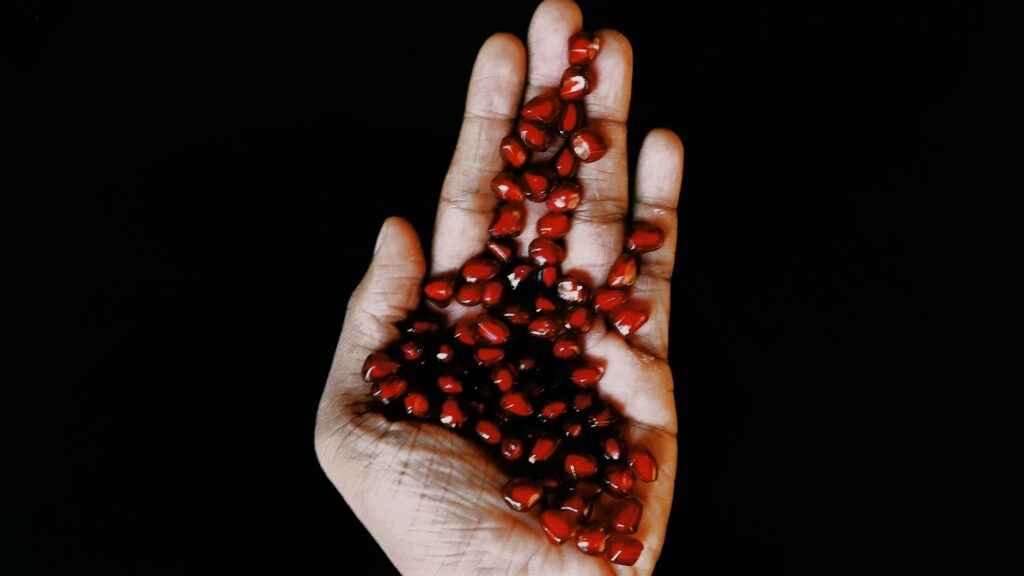
Beginner’s Guide to Pomegranate Seeds
Introduction
Pomegranate seeds, the jewel-like arils of the pomegranate fruit, have gained recognition for their vibrant color, unique flavor, and numerous culinary applications. Beyond their aesthetic appeal, these seeds are celebrated for their rich antioxidant properties and versatility in a wide range of dishes. This comprehensive guide will delve into the intricacies of pomegranate seeds, from their historical significance to practical advice on purchasing and storing them.
What Is Guides?
In the context of food ingredients, “guides” refer to informative resources that provide essential information about specific ingredients, including their characteristics, uses, and best practices for handling. These guides aim to educate consumers, chefs, and food enthusiasts about the ingredient’s origin, quality, and culinary applications, fostering a deeper appreciation and understanding of the ingredient in question.
History and Origins
The pomegranate (Punica granatum) is believed to have originated in the region stretching from modern-day Iran to northern India. This ancient fruit has been cultivated for thousands of years, gaining cultural and religious significance in various civilizations. The pomegranate is mentioned in many historical texts, including the Bible and ancient Greek literature, where it symbolized fertility, prosperity, and abundance.
Archaeological evidence suggests that pomegranates were cultivated in the Mediterranean around 3000 B.C. Over time, the fruit spread to other parts of the world, including North Africa, Spain, and eventually the Americas in the 16th century. Today, pomegranates are grown in temperate climates worldwide, with significant production in countries such as India, Iran, the United States, and Turkey.
Production and Processing
Pomegranate cultivation begins with the planting of seeds or cuttings in well-drained soil with plenty of sunlight. The trees typically thrive in regions with a Mediterranean climate, characterized by hot, dry summers and mild, wet winters.
The flowering season occurs in late spring, followed by the development of fruit that typically ripens in late summer to early autumn. When harvested, the fruit is carefully picked to avoid bruising.
Processing pomegranates involves extracting the seeds from the fruit. This can be done manually or through mechanical means. The seeds, encased in their translucent, juicy arils, are often separated from the bitter white pith. The seeds can be consumed fresh, juiced, or dried, depending on the desired application.
Quality and Grading
Quality assessment of pomegranate seeds is crucial for ensuring their freshness and flavor. Factors influencing quality include color, firmness, and taste. High-quality pomegranate seeds are bright red and glossy, indicating ripeness and a high juice content.
Grading is typically performed based on size, color, and the absence of defects, such as bruising or discoloration. In commercial markets, pomegranate seeds may be classified into different grades, with higher grades reserved for the most visually appealing and flavorful seeds.
When purchasing pomegranate seeds, it is essential to look for signs of freshness, such as vibrant color and a firm texture. Avoid seeds that are overly dry or have an off-putting odor, as these may indicate spoilage.
Buying Considerations
When buying pomegranate seeds, whether fresh or packaged, several key considerations can help ensure the best quality:
1. Freshness: If purchasing whole pomegranates, look for fruits that are heavy for their size and free from blemishes. If buying pre-packaged seeds, check the expiration date and packaging integrity.
2. Seasonality: Pomegranates are typically in season from late summer to early winter. Buying during this peak season may yield better quality seeds.
3. Source: Consider buying from reputable suppliers or local farmers’ markets, which often offer fresher produce compared to large grocery chains.
4. Organic vs. Conventional: Organic pomegranates may be grown without synthetic fertilizers or pesticides. If you are concerned about chemical residues, look for organic certification.
5. Varietals: There are several varieties of pomegranates, each with unique flavor profiles and seed characteristics. Familiarize yourself with different types and their respective uses to find the best fit for your needs.
Uses and Applications
Pomegranate seeds are remarkably versatile and can be used in various culinary applications. Their sweet and tart flavor enhances both sweet and savory dishes. Here are some common uses:
- Salads: Pomegranate seeds add a burst of color and flavor to salads, pairing well with greens, nuts, and cheeses.
- Garnishes: The seeds serve as an attractive garnish for dishes such as grains, yogurt, and desserts, elevating the visual appeal.
- Sauces and Dressings: Pomegranate seeds can be incorporated into sauces and dressings, providing a tangy contrast to rich flavors.
- Beverages: Pomegranate juice, derived from the seeds, is a popular ingredient in cocktails, smoothies, and health drinks.
- Baking: The seeds can be sprinkled on baked goods, such as cakes and pastries, to add texture and a pop of flavor.
- Culinary Traditions: In many cultures, pomegranate seeds are used in traditional dishes, reflecting their long history and significance in various cuisines.
Storage and Shelf Life
Proper storage of pomegranate seeds is essential for maintaining their freshness and flavor. Here are some guidelines:
1. Fresh Seeds: If you have freshly extracted pomegranate seeds, store them in an airtight container in the refrigerator. They can last for up to one week.
2. Frozen Seeds: For longer storage, consider freezing pomegranate seeds. Spread them on a baking sheet to prevent clumping, freeze until solid, then transfer to a freezer-safe container. Frozen seeds can last for several months.
3. Whole Pomegranates: Uncut pomegranates can be stored in a cool, dry place for