
Beginner’s Guide to Quinoa
Introduction
Quinoa, a grain-like seed that has captured the culinary world’s attention, is celebrated not only for its versatility but also for its nutritional profile. Often dubbed a “superfood,” quinoa is gluten-free, rich in protein, and packed with essential amino acids. This guide aims to provide a comprehensive understanding of quinoa, from its historical roots to practical buying tips and common misconceptions.
What Is Quinoa?
Quinoa (Chenopodium quinoa) is an edible seed that belongs to the amaranth family. Originally cultivated by the ancient civilizations of the Andes, it has become a staple food in many parts of the world. Unlike most grains, quinoa is a complete protein, containing all nine essential amino acids, making it a popular choice for vegetarians and vegans. Quinoa is also gluten-free, making it suitable for individuals with gluten sensitivities.
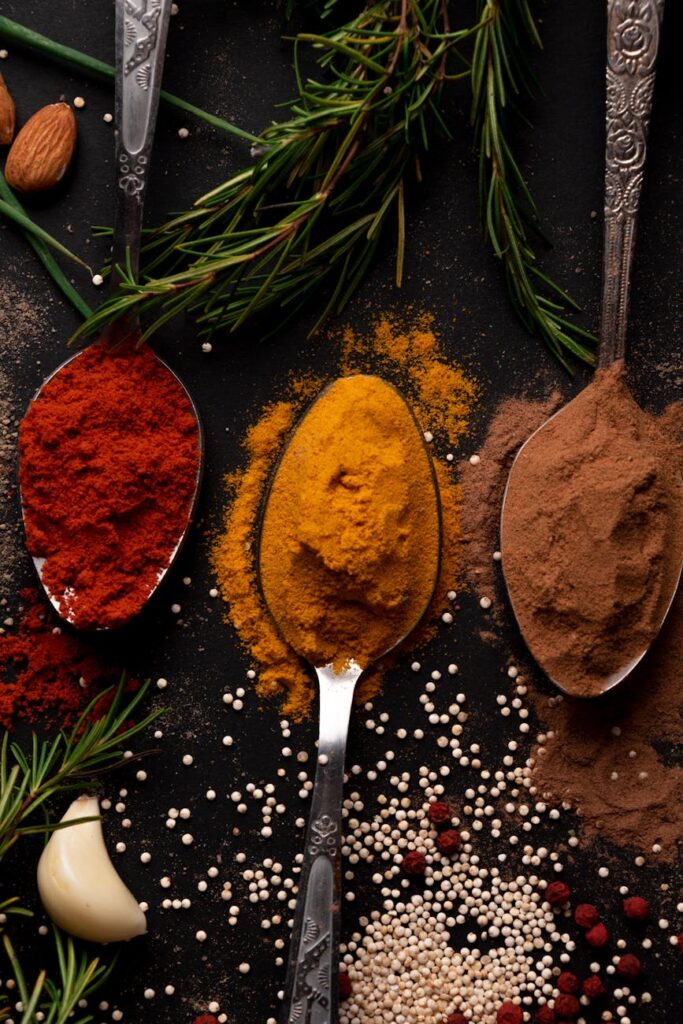
The seeds of quinoa come in various colors, including white, red, and black, each offering slightly different flavors and textures. The seeds are typically cooked in a similar manner to rice, absorbing water to expand and become fluffy.
History and Origins
Quinoa has a rich history that dates back more than 5,000 years. It was cultivated by the indigenous peoples of the Andes, particularly in modern-day Peru, Bolivia, and Ecuador. Known as “the mother grain,” quinoa was revered by the Inca civilization, who considered it sacred and integral to their diet.
The Spanish conquest in the 16th century led to a decline in quinoa cultivation as it was replaced by European grains. However, in recent decades, there has been a resurgence in interest, driven by its health benefits and adaptability to various growing conditions.
Today, quinoa is grown in many countries, including the United States, Canada, and various regions in Europe. Its popularity has made it a significant export for South American countries, particularly Bolivia and Peru.
Production and Processing
Quinoa thrives in high-altitude environments with well-drained soil. It is a hardy plant that can withstand drought and varying temperatures, contributing to its suitability for diverse agricultural practices. The growing season typically spans 90 to 120 days, and once harvested, quinoa requires careful processing to remove its natural coating of saponins. These bitter compounds can affect the flavor if not properly washed away.
The processing involves several steps:
1. Harvesting: Quinoa is harvested when the seeds are mature and dry. This can be done manually or with mechanical harvesters.
2. Cleaning: After harvesting, the seeds are cleaned to remove debris and any remaining plant material.
3. De-saponization: To ensure a palatable taste, the seeds are thoroughly rinsed to remove saponins. Some producers use mechanical methods, while others rely on water washing.
4. Drying: The cleaned quinoa seeds are then dried to reduce moisture content, which helps preserve their shelf life.
5. Packaging: Finally, the seeds are packaged for distribution, often in airtight containers to maintain freshness.
Quality and Grading
The quality of quinoa is assessed based on several factors, including size, color, and the presence of impurities. The grading system can vary by country, but generally, quinoa is classified into three main categories:
1. Premium Quality: These seeds are uniform in size and color, with minimal impurities. They are often used for specialty products and high-end culinary applications.
2. Standard Quality: This category includes seeds that may have slight variations in size and color but still meet basic quality standards. They are suitable for general consumption.
3. Low-Quality: These seeds may have a high level of impurities or defects and are often used in bulk products or animal feed.
When purchasing quinoa, look for products that specify the quality grade, as this can impact both taste and texture.
Buying Considerations
When buying quinoa, several factors should be taken into account:
1. Type: Consider the color of quinoa you wish to buy. White quinoa has a mild flavor and a fluffy texture, while red quinoa has a nuttier taste and retains its shape better when cooked. Black quinoa is slightly sweeter and chewier.
2. Source: Look for quinoa that is sourced from reputable growers. Organic options are often available and may offer a more environmentally friendly choice.
3. Packaging: Opt for quinoa packaged in airtight containers to ensure freshness. Vacuum-sealed options are ideal for maintaining quality over time.
4. Saponin Content: Some brands pre-rinse their quinoa to remove saponins, while others do not. If you purchase unwashed quinoa, be prepared to rinse it thoroughly before cooking.
5. Fair Trade Certification: Some quinoa products come with Fair Trade certification, ensuring that the farmers are compensated fairly for their labor and that sustainable practices are followed.
Uses and Applications
Quinoa is remarkably versatile in the kitchen. Its nutty flavor and fluffy texture make it suitable for a wide range of dishes, including salads, soups, and grain bowls. Here are some common applications:
- Salads: Quinoa adds a hearty element to salads, complementing vegetables and proteins.
- Side Dishes: It can be served as a side dish, often replacing rice or couscous.
- Breakfast: Cooked quinoa can be used as a base for breakfast bowls, topped with fruits, nuts, and sweeteners.
- Baking: Quinoa flour, made from ground quinoa seeds, is increasingly used in gluten-free baking.
- Soups and Stews: Quinoa acts as a thickening agent in soups and stews, adding both texture and nutritional value.
- Veggie Burgers: It can be incorporated into vegetarian patties, providing structure and protein.
Storage and Shelf Life
Proper storage is essential to maintain the quality of quinoa. It should be kept in a cool, dry place, away from direct sunlight. Uncooked quinoa can last for several years if stored correctly. Once opened, it is advisable to keep it in an airtight container to prevent exposure to moisture and pests.
Cooked quinoa should be stored in the refrigerator and is best consumed within 3 to 5 days. For longer storage, cooked quinoa can be frozen in airtight containers for up to six months.
Common Misconceptions
Despite its popularity, several misconceptions about quinoa persist:
1. Quinoa is a Grain: While often classified as a grain, quinoa is technically a seed. It is commonly used as a grain in cooking due to its similar texture and preparation methods.
2. All Quinoa is the Same: There are various types of quinoa, each with distinct flavors, textures, and culinary applications. Understanding these differences can enhance your cooking experience.
3. Quinoa is Always Gluten-Free: While quinoa itself is gluten-free, cross-contamination can occur during processing. Always check labels if gluten sensitivity is a concern.
4. Quinoa Does Not Need to Be Rinsed: Some quinoa varieties are coated with saponins, which can impart a bitter flavor. Rinsing quinoa before cooking helps remove these compounds.
5. Quinoa is a New Superfood: While quinoa has gained popularity in recent years, it has been consumed for thousands of years and was a staple food for ancient civilizations.
Frequently Asked Questions
1. How do I cook quinoa?
To cook quinoa, rinse it under cold water to remove saponins. Combine one part quinoa with two parts water or broth in a pot, bring to a boil, then reduce to a simmer, cover, and cook for about 15 minutes or until the liquid is absorbed.
2. Can quinoa be eaten raw?
While quinoa can technically be eaten raw after soaking, it is usually cooked to enhance its digestibility and flavor. Raw quinoa may contain some anti-nutrients that cooking helps eliminate.
3. Is quinoa a complete protein?
Yes, quinoa is considered a complete protein because it contains all nine essential amino acids necessary for human health.
4. How do I know if quinoa is cooked?
Cooked quinoa should be fluffy and have a slight “tail” or germ that separates from the seed. If it is still crunchy or hard, it may need additional cooking time.
5. Can I substitute quinoa for rice in recipes?
Yes, quinoa can be used as a substitute for rice in most recipes. Adjust cooking times and liquid ratios accordingly, as quinoa typically requires more water than white rice.
6. Is there a difference between organic and non-organic quinoa?
Organic quinoa is grown without synthetic pesticides or fertilizers and is often considered more environmentally sustainable. Non-organic quinoa may be treated with chemicals during cultivation.
Conclusion
Quinoa is a multifaceted ingredient that offers a wealth of culinary possibilities and nutritional benefits. Understanding its history, production, and characteristics can enhance your appreciation and usage of this remarkable seed. Whether you are a novice cook or a seasoned chef, quinoa is a staple that deserves a place in your pantry. Embrace its versatility and explore the myriad ways it can enrich your meals.