
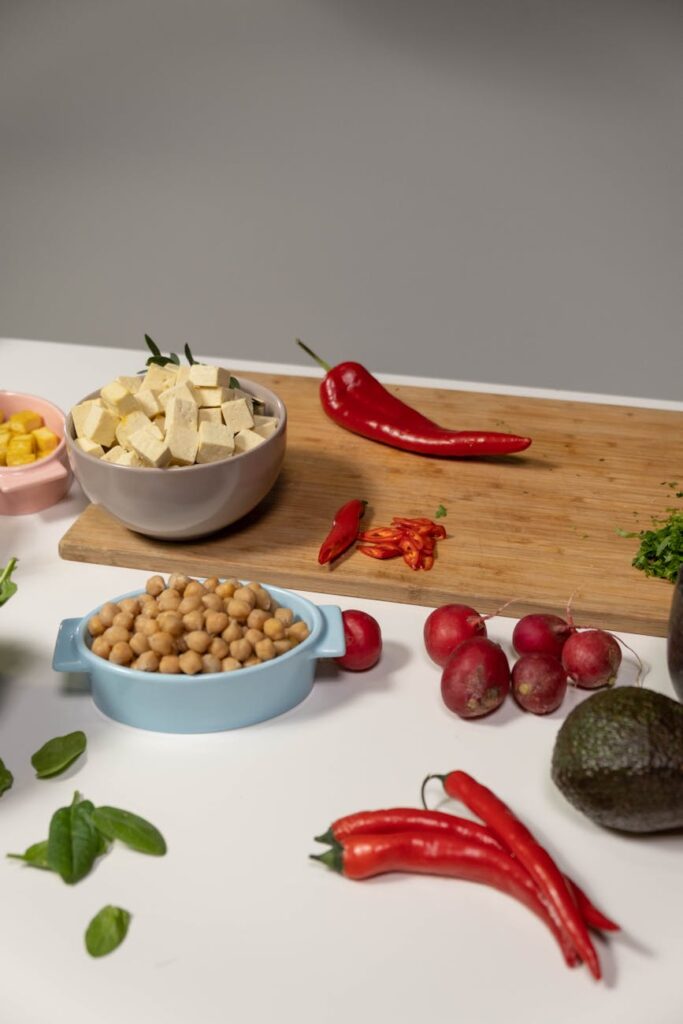
Beginner’s Guide to Radish
Introduction
Radishes are a versatile and vibrant root vegetable that has captured the attention of culinary enthusiasts and health-conscious individuals alike. With their crisp texture and peppery flavor, radishes add a unique dimension to various dishes, from salads to garnishes. This guide aims to provide comprehensive insights into radishes, covering their history, production, quality, and much more, ensuring that both novices and seasoned cooks can appreciate this remarkable ingredient.
What Is Radish?
Radishes belong to the Brassicaceae family, which also includes vegetables like broccoli, cabbage, and kale. These root vegetables are characterized by their round or elongated shape and come in a variety of colors, including red, white, purple, and black. The most commonly consumed type is the red radish, known for its bite and crispness. Radishes are typically eaten raw, though they can also be cooked or pickled. They are rich in vitamins and minerals, making them a popular choice in many cuisines around the world.
History and Origins
Radishes have a rich history that dates back thousands of years. Archaeological evidence suggests that they were cultivated in ancient Egypt as far back as 2,000 BCE, primarily for their nutritional value. The Greeks and Romans also valued radishes, with the latter even creating large sculptures out of them as a form of art.
Radishes spread across Europe and Asia over the centuries, and by the Middle Ages, they were a staple in various diets. The introduction of radishes to the Americas occurred in the 16th century, brought over by European settlers. Today, radishes are cultivated globally, with major production in countries such as China, Japan, and the United States.
Production and Processing
Cultivation
Radishes are relatively easy to grow, making them a favorite among home gardeners. They thrive in cool weather and can be sown directly into the soil, usually in early spring or fall. The rapid growth cycle of radishes—often ready for harvest within three to four weeks—allows for multiple plantings in a single season.
Soil and Environment
Radishes prefer loose, well-drained soil rich in organic matter. They require consistent moisture, but excessive water can lead to rot. Adequate sunlight is also essential, as it promotes healthy growth and enhances flavor.
Harvesting
Harvesting radishes is straightforward. Once they reach the desired size, they can be pulled directly from the ground. It’s important to harvest them promptly, as leaving them in the soil for too long can lead to a woody texture and increased bitterness.
Processing
Post-harvest, radishes are usually washed to remove soil and debris. Depending on their intended use, they can be packaged whole or sliced. Some may undergo pickling or other preservation processes to enhance their shelf life.
Quality and Grading
The quality of radishes is generally assessed based on several factors, including size, firmness, color, and absence of blemishes. High-quality radishes should be firm to the touch, with smooth skin and vibrant coloration.
Grades
Radishes are typically graded as follows:
- Grade A: These are the highest quality radishes, exhibiting optimal size, color, and texture. They are free from defects and ideal for fresh consumption.
- Grade B: These radishes may have minor blemishes or size inconsistencies but are still suitable for cooking or pickling.
- Grade C: Often smaller and less visually appealing, these radishes are generally used for processed products.
- Refrigeration: Store radishes in the vegetable crisper drawer of your refrigerator. Wrapping them in a damp paper towel and placing them in a plastic bag can help retain moisture and prevent wilting.
- Avoid Ethylene Gas: Keep radishes away from ethylene-producing fruits, such as apples and bananas, as this gas can accelerate spoilage.
- Remove Greens: If the greens are still attached, consider removing them to extend the radish’s shelf life. The greens can draw moisture from the root, causing it to wilt more quickly.
Buying Considerations
When purchasing radishes, several factors should be considered to ensure you select the best quality:
1. Appearance: Look for radishes that are firm, smooth, and free of blemishes or soft spots.
2. Color: Vibrant colors indicate freshness. Avoid any that appear dull or discolored.
3. Size: Choose radishes that are uniform in size. Smaller radishes tend to be milder, while larger ones may have a stronger flavor.
4. Freshness: Check the greens, if attached. Fresh greens should be crisp and vibrant, indicating that the radishes are freshly harvested.
5. Seasonality: Radishes are typically in season during spring and fall. Buying them during these times often ensures better flavor and quality.
Uses and Applications
Radishes are a versatile ingredient, used in various culinary applications:
Raw Consumption
Often enjoyed raw, radishes are a popular addition to salads, providing crunch and a peppery kick. They can also be sliced thinly for use in sandwiches or as a garnish for soups and tacos.
Cooking
While radishes are most commonly eaten raw, they can also be roasted or sautéed. Cooking radishes mellows their sharp flavor and enhances their sweetness, making them a delightful side dish.
Pickling
Pickling is a traditional method to preserve radishes. This process not only extends their shelf life but also adds a tangy flavor that can complement various dishes.
Garnishes
Radishes are often used as garnishes due to their striking appearance. Sliced or julienned radishes can add visual appeal and flavor to a dish, enhancing both its presentation and taste.
Storage and Shelf Life
Proper storage is crucial to maintaining the freshness of radishes. When stored correctly, radishes can last about one to two weeks.
Storage Tips
Common Misconceptions
Despite their popularity, there are several misconceptions surrounding radishes that merit clarification:
1. Radishes Are Always Spicy: While many radish varieties have a natural peppery flavor, some, like the watermelon radish, are milder.
2. You Can Only Eat the Root: Many people discard the greens, but radish greens are edible and can be used in salads, pestos, or soups.
3. Radishes Are Unhealthy: In reality, radishes are low in calories and rich in vitamin C, making them a healthy addition to any diet.
4. Radishes Are Only for Salads: While often featured in salads, radishes can be used in a variety of dishes, including stir-fries and soups.
Frequently Asked Questions
1. What are the different types of radishes?
Radishes come in various types, including red globe, black, daikon, and Easter egg radishes. Each type has its unique flavor profile and culinary uses.
2. How do I know if a radish is fresh?
Fresh radishes should be firm, smooth, and brightly colored with no soft spots or blemishes. The greens, if attached, should also be crisp.
3. Can I eat radish greens?
Yes, radish greens are edible and nutritious. They can be used in salads, cooked as a side dish, or added to smoothies.
4. How should I prepare radishes before eating them?
Radishes typically require minimal preparation. Rinse them thoroughly under cold water, trim the tops and tails, and slice or chop as desired.
5. Are radishes available year-round?
While radishes can be found in grocery stores year-round, their peak season is in the spring and fall, when they are most flavorful.
6. How can I incorporate radishes into my diet?
Radishes can be added to salads, sandwiches, or tacos. They can also be roasted, sautéed, or pickled for a different flavor experience.
Conclusion
Radishes are an intriguing and multifaceted ingredient that deserve a place in your culinary repertoire. Their distinct flavor, coupled with their historical significance and nutritional benefits, make them an excellent choice for a variety of dishes. By understanding their cultivation, storage, and culinary applications, you can fully appreciate the role of radishes in your cooking adventures. Whether you’re a beginner or an experienced chef, embracing radishes can elevate your culinary creations and provide a new dimension to your meals.