
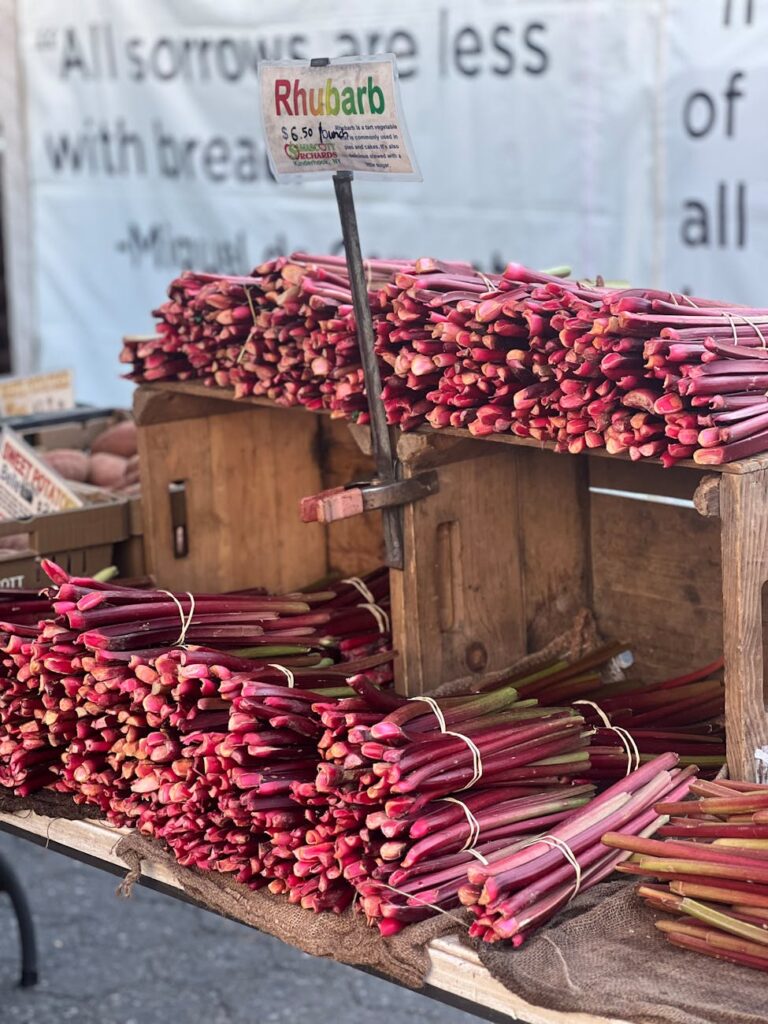
Beginner’s Guide to Rhubarb
Introduction
Rhubarb, often referred to as a vegetable but commonly treated as a fruit in culinary practices, has captivated the palates of many across the globe. Its vibrant pink stalks and tart flavor make it a unique ingredient that features prominently in a variety of dishes, particularly desserts. This guide aims to provide a comprehensive overview of rhubarb, exploring its history, production, quality grading, uses, and more.
What Is Rhubarb?
Rhubarb (Rheum rhabarbarum) is a perennial plant belonging to the Polygonaceae family. Primarily known for its edible stalks, the leaves of the rhubarb plant are toxic due to their high oxalic acid content. The stalks, however, are prized for their tart flavor, often used in jams, pies, and other culinary delights. Rhubarb is typically available in two main varieties: the common garden rhubarb, which has a bright red stalk, and the green-hued varieties, which are less common but still flavorful.
History and Origins
Rhubarb has a rich history that dates back thousands of years. Its earliest known use dates to ancient China, where it was prized for its medicinal properties. By the 17th century, it made its way to Europe via the Silk Road. The popularity of rhubarb grew significantly in England during the 18th century, leading to the establishment of the first commercial rhubarb farms. The introduction of forced rhubarb cultivation in Yorkshire, England, in the 19th century further cemented its status as a beloved ingredient, particularly in desserts.
Production and Processing
Rhubarb is primarily cultivated in temperate regions, with significant production occurring in the United States, Canada, and parts of Europe. The plant thrives in well-drained soil with ample sunlight. Once harvested, rhubarb is typically cleaned, trimmed, and prepared for market.
Cultivation Practices
Rhubarb is usually grown from crowns, which are sections of the root that can develop into new plants. Farmers often practice crop rotation to maintain soil health and prevent disease. The growing season generally spans from early spring to late summer, with the best harvesting time occurring in late spring when the stalks are tender and vibrant.
Processing Techniques
Once harvested, rhubarb can be processed in several ways. It is often sold fresh, but it can also be frozen, canned, or made into sauces and jams. The processing methods vary depending on the intended use, with careful attention paid to preserving the vegetable’s unique flavor and nutritional properties.
Quality and Grading
When assessing rhubarb, quality can be determined by several factors, including color, firmness, and freshness. High-quality rhubarb should have a vibrant color, typically ranging from deep red to bright green, with firm, crisp stalks that exhibit no signs of wilting or decay.
Grading Standards
While there are no universally accepted grading standards for rhubarb, many producers and buyers rely on visual and tactile assessments. Generally, stalks are categorized as either “Grade A” for premium quality or “Grade B” for those that may have minor defects. The grading may also consider size, with thicker stalks often preferred for cooking.
Buying Considerations
When purchasing rhubarb, several factors should be considered to ensure you select the best quality.
Freshness
Opt for stalks that are firm and free from blemishes. Fresh rhubarb should have a crisp texture, and the ends should appear freshly cut. Avoid any stalks that are limp or have brown spots.
Color
The color of rhubarb can indicate its ripeness. Generally, a deep red color suggests a sweeter flavor, while greenish stalks can be more tart. However, both varieties can be delicious when prepared correctly.
Seasonality
Rhubarb is typically in season from April to June in most regions. Purchasing during peak season ensures you will find the freshest and most flavorful stalks.
Local vs. Imported
Consider buying local rhubarb when possible, as it is likely to be fresher and support local farmers. If purchasing imported rhubarb, ensure it meets quality standards and has been properly handled during transport.
Uses and Applications
Rhubarb is a versatile ingredient used in various culinary applications, primarily in desserts. Its tart flavor pairs well with sweeteners, making it a favorite for pies, crumbles, and jams. However, rhubarb can also be utilized in savory dishes, such as sauces, stews, and salads, where its acidity can enhance the overall flavor profile.
Culinary Techniques
When cooking with rhubarb, it is often combined with sugar to balance its tartness. It can be stewed, roasted, or incorporated into sauces. Additionally, rhubarb can be pickled or used to infuse flavors into beverages, such as cocktails or teas.
Storage and Shelf Life
Proper storage is essential to maintain the quality of rhubarb after purchase. Fresh rhubarb should be kept in the refrigerator, ideally wrapped in a damp paper towel and placed in a plastic bag. This method helps retain moisture and prolongs freshness.
Shelf Life
When stored correctly, fresh rhubarb can last up to one week in the refrigerator. If you need to store rhubarb for a longer period, consider freezing it. Blanching the stalks for one to two minutes before freezing can help preserve flavor and texture.
Common Misconceptions
Despite its culinary popularity, several misconceptions about rhubarb persist. One common belief is that rhubarb is a fruit; while it is used as such in many recipes, it is botanically classified as a vegetable. Additionally, some people believe that all parts of the rhubarb plant are edible; in reality, the leaves are toxic and should never be consumed