
Beginner’s Guide to Romanesco
Introduction
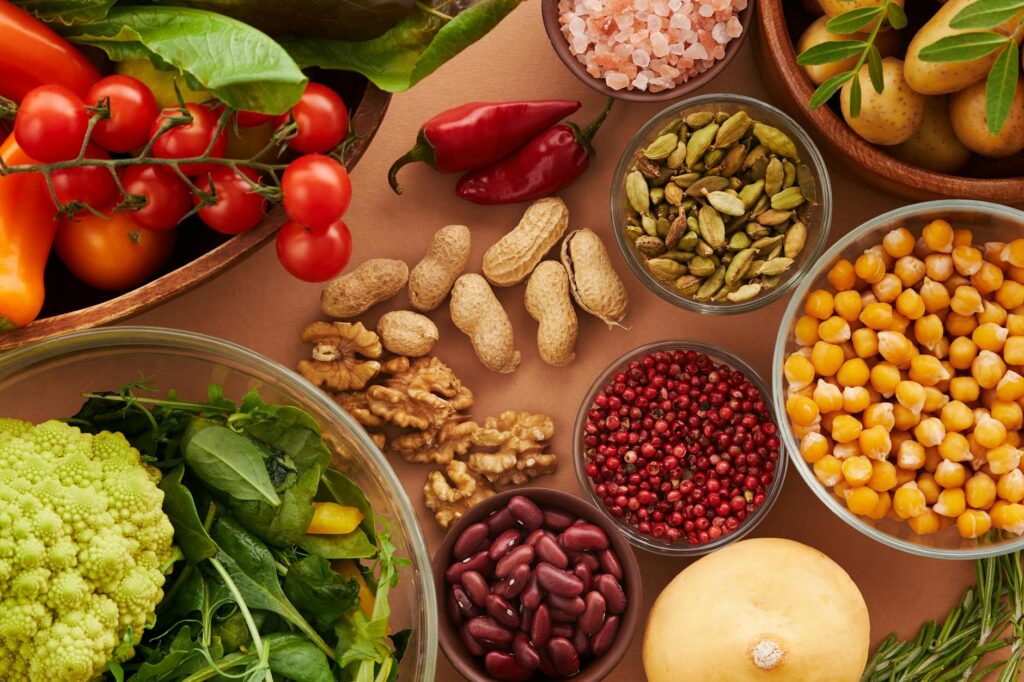
Romanesco, often hailed as a marvel of nature, is a striking vegetable that stands out not only for its aesthetic appeal but also for its unique flavor profile and nutritional benefits. With its fractal-like spirals and vibrant green hue, Romanesco has captured the attention of chefs and home cooks alike. This beginner’s guide delves into the intricacies of Romanesco, exploring its history, production, culinary uses, and much more.
What Is Romanesco?
Romanesco is a member of the Brassica family, which also includes broccoli, cauliflower, and cabbage. Its scientific name is Brassica oleracea var. botrytis, and it is often categorized as a variety of cauliflower. Romanesco is characterized by its unique, fractal formations and its bright lime green color. The vegetable’s taste is mildly nutty and a bit sweet, with a texture that is both tender and crunchy.
While Romanesco is visually captivating, it is also celebrated for its nutritional profile, being rich in vitamin C, fiber, and a variety of antioxidants. Its versatility makes it suitable for various culinary applications, from stir-fries to salads and beyond.
History and Origins
The origins of Romanesco can be traced back to Italy, specifically the region of Lazio, during the late 16th century. It is believed that the vegetable was cultivated from a variety of cauliflower, which was selected for its distinctive spiral shape and vibrant color. The name “Romanesco” reflects its Italian roots, as it is derived from the word “Roma,” referencing Rome.
Throughout history, Romanesco has maintained a niche following, primarily in Mediterranean cuisines. It gained popularity beyond Italy in recent decades, particularly in North America and Europe, as chefs began to embrace its unique appearance and flavor. As consumers increasingly seek out novel ingredients, Romanesco has found its way into farmers’ markets and upscale grocery stores, becoming a staple in gourmet cooking.
Production and Processing
Romanesco is typically grown in temperate climates, thriving in cooler temperatures that allow for the development of its characteristic heads. It is a cool-season crop, best planted in spring or late summer for a fall harvest. The growing season lasts approximately 70 to 100 days, depending on the specific variety and environmental conditions.
Farmers cultivate Romanesco using similar methods as those used for cauliflower. The plants prefer well-drained soil rich in organic matter and require regular watering to maintain moisture without waterlogging. Pest management is crucial, as aphids and caterpillars can pose threats during the growing phase.
Once harvested, Romanesco is often processed minimally. It is typically cleaned, trimmed, and packaged for distribution. Some producers may blanch the vegetable to enhance color and shelf life before freezing, but fresh Romanesco is generally preferred for its superior taste and texture.
Quality and Grading
When assessing the quality of Romanesco, several factors come into play:
- Color: High-quality Romanesco should exhibit a vibrant green hue. The color should be uniform and bright, indicating freshness.
- Structure: The heads should be firmly packed with tightly spiraled florets. Loose or wilting heads are indicative of age or poor handling.
- Size: Romanesco heads typically range from small to medium size. While larger heads may seem appealing, they can sometimes be tougher and less flavorful.
- Leaves: Fresh Romanesco will often have green, crisp leaves attached. These can be an indicator of freshness and can also be used in culinary preparations.
- Raw: It can be enjoyed raw, making it an excellent addition to crudité platters. Its crunchy texture pairs well with dips.
- Steamed or Blanched: Steaming or blanching enhances its color and tenderness, making it suitable for salads or side dishes.
- Roasted: Roasting Romanesco brings out its natural sweetness and adds a depth of flavor. Tossed with olive oil, salt, and pepper, it can serve as an elegant side.
- Stir-Fried: Romanesco lends itself well to stir-fries. Its firm texture holds up against quick cooking methods, blending seamlessly with other vegetables and proteins.
- Pasta Dishes: It can be incorporated into pasta preparations, either as a primary ingredient or as a colorful garnish.
- Soups and Purees: Romanesco can also be blended into soups and purees, adding a unique flavor and creamy texture.
- Refrigeration: Keep Romanesco in a perforated plastic bag to maintain moisture while allowing airflow. Avoid washing it until you are ready to use it, as excess moisture can lead to spoilage.
- Freezing: If you have an abundance of Romanesco, it can be blanched and then frozen for later use. Blanching helps preserve color, flavor, and texture.
- Signs of Spoilage: Look for signs such as browning, wilting, or a slimy texture. If any of these are present, it’s best to discard the vegetable.
Grading is not standardized across all markets, but buyers should be vigilant in selecting high-quality specimens to ensure optimal flavor and texture.
Buying Considerations
When purchasing Romanesco, consider the following tips to make an informed choice:
1. Seasonality: Romanesco is typically in season from late summer to early winter. Buying during peak season can ensure better flavor and freshness.
2. Source: If possible, buy from local farmers’ markets or reputable grocery stores that prioritize fresh, high-quality produce.
3. Appearance: Look for heads that are bright green, firm, and free from blemishes or brown spots. Avoid any that appear wilted or have a dried-out appearance.
4. Storage: If you plan to use Romanesco later, consider how you will store it. Fresh Romanesco can be refrigerated for up to a week but should be kept in a perforated bag to maintain humidity while allowing airflow.
5. Organic vs. Conventional: Organic Romanesco is often available and may be worth considering for those who prioritize pesticide-free produce.
6. Sustainability: Check for sustainability certifications or ask your local vendor about their farming practices to support environmentally-friendly agriculture.
Uses and Applications
Romanesco’s unique flavor and texture make it a versatile ingredient in a variety of culinary applications:
Storage and Shelf Life
For optimal freshness, Romanesco should be stored in the refrigerator, ideally in the vegetable crisper. When properly stored, fresh Romanesco can last for about a week. Here are some storage tips:
Common Misconceptions
Despite its growing popularity, several misconceptions about Romanesco persist:
1. Romanesco is Just a Type of Cauliflower: While related, Romanesco differs from cauliflower in flavor, texture, and appearance. Its unique fractal formation sets it apart.
2. Romanesco is Difficult to Prepare: In reality, Romanesco can be prepared like broccoli or cauliflower, making it a user-friendly vegetable for home cooks.
3. It Has a Strong Flavor: Many people assume Romanesco has a more pungent taste due to its appearance, but it is actually quite mild and versatile in flavor.
4. Romanesco is Only for Gourmet Dishes: While often seen in upscale restaurants, Romanesco can be easily integrated into everyday meals, adding visual appeal and nutritional value.
5. It’s Only Available Seasonally: Although Romanesco has a peak season, it is becoming increasingly available year-round through various agricultural practices, including greenhouse cultivation.
Frequently Asked Questions
1. How do you prepare Romanesco for cooking?
To prepare Romanesco, start by removing the leaves and trimming the stem. Cut the head into florets, similar to how you would with cauliflower or broccoli. Rinse under cold water to remove any dirt or insects before cooking.
2. Can you eat the leaves of Romanesco?
Yes, the leaves of Romanesco are edible and can be used in salads, stir-fries, or soups. They have a slightly earthy flavor and add nutritional value.
3. Is Romanesco available year-round?
While Romanesco is primarily in season from late summer to early winter, advances in agricultural practices have made it more widely available throughout the year, especially in supermarkets.
4. How does Romanesco compare to broccoli and cauliflower?
Romanesco has a slightly nuttier and sweeter flavor than cauliflower, with a firmer texture. Its appearance is distinctly unique due to its fractal shape, setting it apart from both broccoli and cauliflower.
5. What is the best way to cook Romanesco?
Romanesco can be cooked in various ways, including steaming, roasting, or stir-frying. The best method depends on personal preference and the dish being prepared.
6. Can Romanesco be grown at home?
Yes, Romanesco can be grown in home gardens, provided you have a suitable climate and soil conditions. It is a cool-season crop that requires regular care and attention.
Conclusion
Romanesco is more than just a visually stunning vegetable; it encompasses a rich history, diverse culinary applications, and a wealth of nutritional benefits. Understanding its origins, production, and uses can elevate your cooking and provide a new ingredient to explore. Whether you are a home cook or a professional chef, Romanesco has the potential to enhance a variety of dishes, making it a worthy addition to any kitchen.