
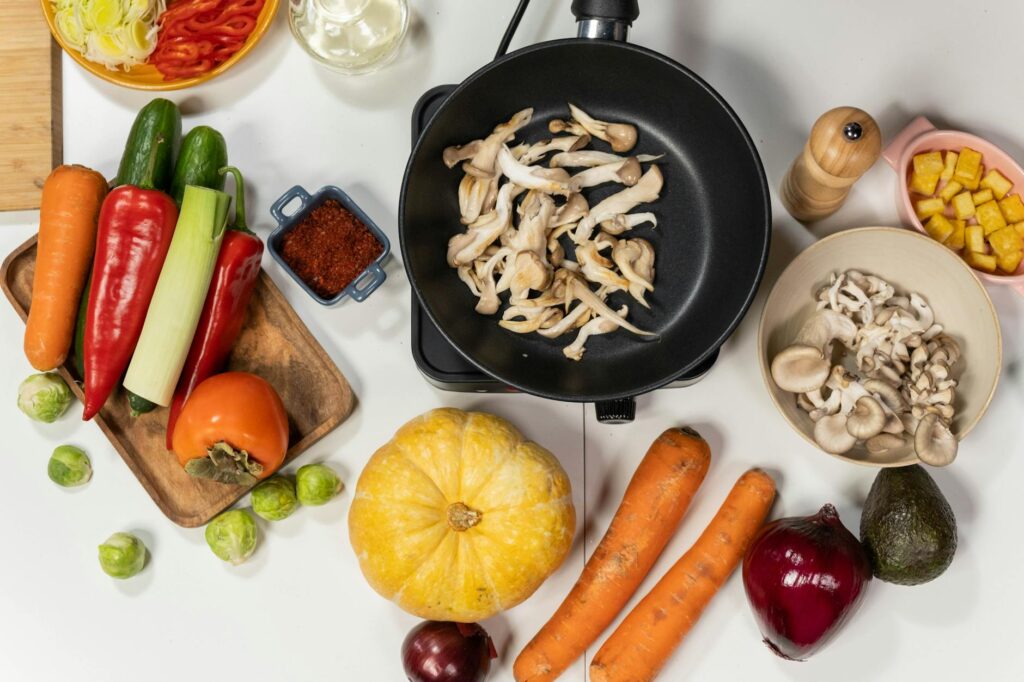
Beginner’s Guide to Squash
Introduction
Squash is not just a versatile vegetable; it is a category that encompasses a wide variety of species and cultivars, each with its unique flavor, texture, and culinary application. From the summer squash varieties like zucchini to the hearty winter squashes such as butternut and acorn, this produce category is a staple in many kitchens around the world. Understanding squash—from its origins to its uses—can enhance your culinary repertoire and appreciation for this vibrant ingredient.
What Is Squash?
Squash belongs to the Cucurbitaceae family, which also includes cucumbers, melons, and pumpkins. The term “squash” generally refers to two main categories: summer squash and winter squash. Summer squash is harvested while immature, resulting in tender, edible skins, while winter squash is harvested when mature, characterized by hard skins and dense flesh. This distinction plays a crucial role in their culinary uses and storage requirements.
Categories of Squash
1. Summer Squash: This includes varieties like zucchini, yellow squash, and pattypan. They are typically harvested in the warmer months and have a short shelf life.
2. Winter Squash: This category includes butternut, acorn, spaghetti, and pumpkin. These squashes are harvested in the fall and can be stored for months due to their tougher skin and dense flesh.
History and Origins
The history of squash dates back thousands of years, with evidence of its cultivation found in Mesoamerica. Archaeological records suggest that squash was domesticated over 10,000 years ago in regions that are now Mexico and Central America. Indigenous peoples cultivated various types of squash, utilizing them not just for food but also for cultural and ceremonial purposes.
Squash spread throughout the Americas and was introduced to Europe in the 16th century by explorers. Over the centuries, squash has been selectively bred to enhance its flavor, size, and resistance to pests, leading to the diverse varieties we see today.
Production and Processing
Cultivation
Squash is typically grown in warm climates, requiring well-drained soil and plenty of sunlight. It can be cultivated in home gardens or on a larger agricultural scale. Key factors in successful squash production include:
- Soil Preparation: Rich, loamy soil with a pH of 6.0 to 6.8 is ideal.
- Watering: Consistent moisture is crucial, especially during fruit development.
- Pest Management: Organic and chemical methods are employed to manage pests such as squash bugs and powdery mildew.
- Uniform Size: Consistency in size ensures even cooking and presentation.
- Firmness: Fresh squash should feel firm without soft spots or blemishes.
- Color: Vibrant colors are usually indicative of ripeness and flavor.
- Sautéing and Stir-frying: Summer squash, such as zucchini, is frequently sliced and sautéed as a side dish or added to stir-fries.
- Roasting: Winter squash varieties like butternut and acorn are often roasted to enhance their natural sweetness.
- Soups and Purees: Squash can be pureed into soups, providing a creamy texture and rich flavor.
- Baking: Certain squashes, notably pumpkin, are used in baked goods like pies and breads.
- Salads: Shredded raw summer squash can add a fresh crunch to salads.
- Storage Conditions: Store in a cool, dry place, preferably in the refrigerator.
- Shelf Life: Typically lasts about 3 to 7 days. Look for signs of wilting or soft spots to determine freshness.
- Storage Conditions: Can be stored in a cool, dark place, such as a pantry or cellar.
- Shelf Life: Depending on the variety, winter squash can last anywhere from 1 to 6 months. Look for hard, unblemished skins to ensure longevity.
Processing
Once harvested, squash can undergo various processing methods, including washing, cutting, and packaging for sale. It may also be canned, frozen, or pureed for long-term storage. Processing methods aim to retain the flavor and nutritional quality of squash, making it available year-round.
Quality and Grading
Quality assessment of squash involves several factors, including size, shape, color, and texture. The United States Department of Agriculture (USDA) provides grading standards for fresh produce. For squash, higher grades indicate better quality, often characterized by:
Grading standards help consumers make informed choices when purchasing squash, ensuring they select the best quality for their culinary needs.
Buying Considerations
When purchasing squash, several factors should be taken into account:
1. Seasonality: Summer squash is typically available from late spring to early fall, while winter squash can be found in late summer through winter.
2. Freshness: Look for squash that feels heavy for its size, with unblemished skin. Avoid any with soft spots or wrinkles.
3. Variety: Consider the intended use. Summer squash is ideal for sautéing and grilling, while winter squash is perfect for roasting and soups.
4. Organic vs. Conventional: Organic squash is grown without synthetic pesticides and fertilizers, which may be a consideration for eco-conscious consumers.
Uses and Applications
Squash is incredibly versatile in culinary applications, utilized in both savory and sweet dishes. Here are some common uses:
Storage and Shelf Life
The storage requirements for squash vary significantly between summer and winter varieties.
Summer Squash
Winter Squash
Common Misconceptions
1. All Squash is the Same: Many people believe that all squashes are interchangeable in recipes, but their flavors and textures can differ significantly, affecting the outcome of dishes.
2. Squash is Only for Fall: While winter squashes are often associated with autumn, summer squashes are available during warmer months, making them a year-round ingredient.
3. Squash is High in Carbs: Compared to starchy vegetables, squash is relatively low in carbohydrates, making it a suitable option for various dietary preferences.
4. You Can Only Eat the Flesh: While the flesh is the most commonly consumed part, squash blossoms are also edible and prized in various culinary traditions.
Frequently Asked Questions
1. What is the best way to cook squash?
The best method depends on the type of squash. Summer squash is generally best sautéed or grilled, while winter squash is often roasted or pureed.
2. Can I eat squash skins?
Yes, many squash varieties have edible skins. Summer squash is particularly known for its tender skin, while some winter squash have tougher skins that may be removed before cooking.
3. How can I tell if a squash is ripe?
Ripe squash should feel firm and heavy for its size, with a vibrant color and no blemishes or soft spots.
4. What is the nutritional value of squash?
Squash is low in calories and high in vitamins A and C, as well as dietary fiber. Nutritional content can vary between types, so it’s beneficial to check specific varieties.
5. How can I preserve squash?
Summer squash can be frozen, canned, or pickled. Winter squash can be stored in a cool, dark place or processed into purees for freezing.
6. Are there any culinary uses for squash blossoms?
Yes, squash blossoms are edible and can be stuffed, battered, or used as a garnish in various dishes, offering a delightful flavor and unique presentation.
—
With this comprehensive guide, you are now equipped with the knowledge to explore the world of squash, from its rich history to its culinary applications. Whether you’re an aspiring chef or a home cook, understanding the intricacies of squash will enhance your cooking experience and appreciation for this versatile ingredient.