
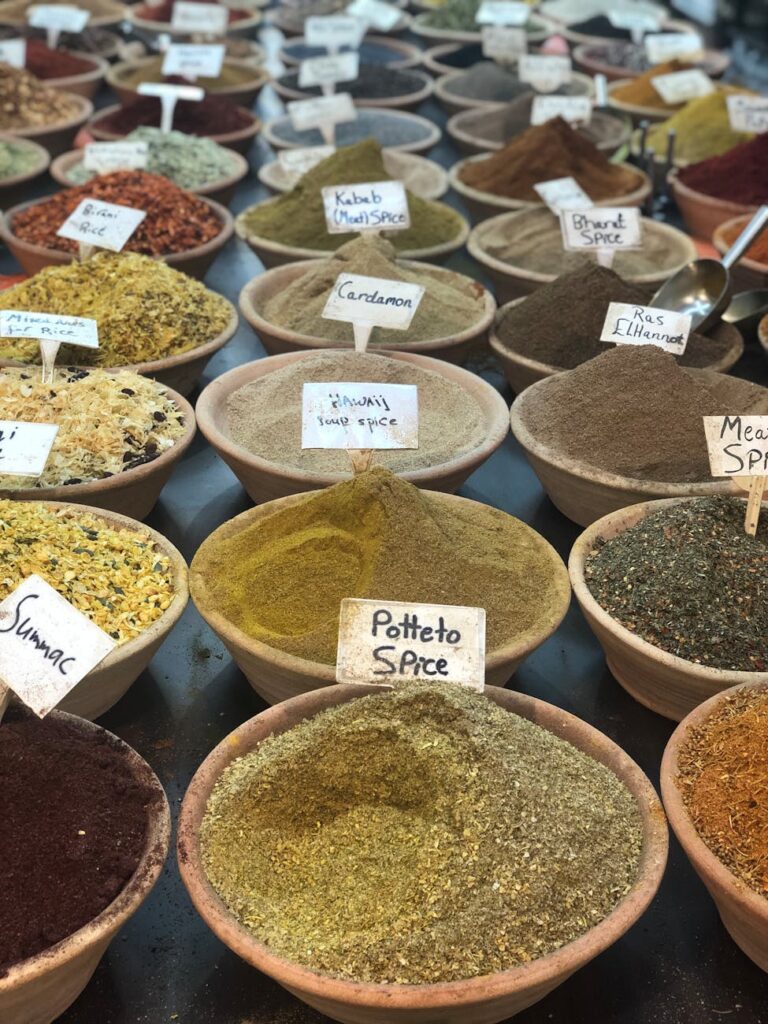
Beginner’s Guide to Sumac
Introduction
Sumac is a versatile spice that has a long and storied history in culinary traditions around the world. Known for its tangy, lemony flavor, sumac has emerged as a staple in various cuisines, particularly in the Middle East and Mediterranean regions. This guide aims to provide a comprehensive overview of sumac, from its historical roots to its contemporary uses, ensuring that both novice cooks and seasoned chefs can appreciate its unique qualities.
What Is Sumac?
Sumac refers to the dried and crushed berries of the Rhus genus, particularly Rhus coriaria. The spice is notable for its deep red to purple hue and a flavor profile that is tart and citrusy, reminiscent of lemon but with a more complex, earthy undertone. While sumac is often associated with Middle Eastern cuisine, it is a global ingredient that can enhance a myriad of dishes.
History and Origins
The use of sumac dates back thousands of years. Ancient civilizations, including the Romans and Greeks, utilized the spice for both culinary and medicinal purposes. Sumac was often used in ancient times as a natural preservative due to its antimicrobial properties, making it a valuable ingredient in food preservation.
The spice is indigenous to the Mediterranean region and parts of the Middle East, where it thrives in arid climates. Over the centuries, it has spread to various cultures and cooking styles, becoming a fundamental element in Levantine dishes, such as fattoush and za’atar, as well as in spice blends enjoyed worldwide.
Production and Processing
Sumac is harvested from the flowering plants of the Rhus genus. The berries are collected during late summer or early autumn when they are fully ripe. After harvesting, the berries undergo a drying process, which is crucial for preserving their flavor and color.
Once dried, the berries are ground into a coarse powder. The quality of sumac can vary significantly based on factors such as the region of cultivation, harvesting methods, and processing techniques. The best quality sumac is vibrant in color, has a strong aroma, and offers a balanced tartness.
Quality and Grading
When purchasing sumac, it’s essential to consider quality and grading. High-quality sumac should have a bright red or purple color, indicating freshness and potent flavor. The aroma should be fragrant and tangy, while the taste should be well-balanced, without any bitterness.
Some vendors may sell sumac blends or lower-quality products mixed with fillers or other spices. To ensure optimal quality, seek out reputable suppliers who specialize in Middle Eastern or Mediterranean ingredients. Additionally, checking for certifications, such as organic or non-GMO, can further guarantee the quality of the sumac you are purchasing.
Buying Considerations
When looking to buy sumac, several factors should be taken into account:
1. Origin: Sumac from specific regions, such as Turkey or Syria, is often considered superior due to the unique growing conditions and traditional harvesting practices.
2. Form: Sumac is available in whole berries, ground powder, or as part of spice blends. For most culinary applications, ground sumac is the most convenient option.
3. Packaging: Look for sumac that is packaged in airtight containers to preserve freshness. Transparent packaging may allow for visibility but can expose the spice to light and air, diminishing its quality.
4. Price: While sumac is generally affordable, extremely low prices may indicate inferior quality or adulteration with other ingredients. A reasonable price point usually reflects better quality.
5. Freshness: Check the expiration date on the packaging. Fresh sumac will have a more vibrant color and a stronger flavor than older stock.
Uses and Applications
Sumac is incredibly versatile and can be utilized in a variety of culinary applications:
- Seasoning: Sumac can be sprinkled over salads, grilled meats, or vegetables to add a zesty kick. Its acidity can enhance the flavors of dishes without the need for additional salt.
- Marinades: Incorporating sumac into marinades can tenderize meats while imparting a unique flavor profile.
- Dips and Spreads: Sumac is a common ingredient in dips like hummus, where it complements the creaminess of chickpeas and tahini.
- Garnish: The vibrant color of sumac makes it an attractive garnish for dishes, enhancing both visual appeal and taste.
- Spice Blends: Sumac is a key component in the spice blend za’atar, which often includes thyme, sesame seeds, and salt. This blend can be used on bread, meats, and vegetables.
- Beverages: In some cultures, sumac is used to flavor drinks, particularly refreshing beverages that benefit from its tartness.
Storage and Shelf Life
To maintain the quality and flavor of sumac, proper storage is essential. Store sumac in a cool, dark place, preferably in an airtight container to protect it from moisture and light. Keeping it in a pantry away from heat sources will help preserve its potency.
Under optimal storage conditions, ground sumac can last for about six months to a year. Whole sumac berries may retain their quality for up to two years. However, for the best flavor and aroma, it is advisable to use sumac within a few months of purchase.
Common Misconceptions
Despite its growing popularity, several misconceptions about sumac persist:
1. Sumac is Poisonous: While some plants in the Rhus genus can be toxic, culinary sumac (Rhus coriaria) is safe for consumption and widely used in cooking.
2. It’s Just a Substitute for Lemon: While sumac has a lemony flavor, it offers a unique taste that is distinct from lemon juice or zest. It should not simply be viewed as a substitute but as a complementary spice that can stand on its own.
3. Sumac is Only for Middle Eastern Cuisine: Although it is a staple in Middle Eastern cooking, sumac’s flavor profile allows it to be incorporated into a wide range of dishes from various culinary traditions.
4. All Sumac is Created Equal: The quality of sumac can vary significantly, and not all products labeled as sumac will have the same flavor intensity or freshness.
5. It Has No Nutritional Value: While this guide does not delve into medical advice, sumac does contain antioxidants and has been used in traditional practices for its potential health benefits.
Frequently Asked Questions
1. What does sumac taste like?
Sumac has a tangy, citrusy flavor that is often compared to lemon, but with a more complex, earthy undertone.
2. Can sumac be used in baking?
Yes, sumac can add a unique flavor to baked goods, particularly in savory breads or pastries.
3. Is sumac gluten-free?
Yes, sumac is naturally gluten-free, making it suitable for individuals with gluten sensitivities.
4. How is sumac used in Middle Eastern cuisine?
Sumac is often used to season meats, vegetables, and salads. It’s a key ingredient in dishes like fattoush and is also used in spice blends like za’atar.
5. Can I grow sumac at home?
Yes, sumac is a hardy plant that can be grown in home gardens, particularly in warmer climates.
6. How can I tell if my sumac has gone bad?
If sumac has lost its color, aroma, or flavor, it may have gone stale. Fresh sumac should have a vibrant hue and a strong, tangy scent.
Conclusion
Sumac is a remarkable spice that offers a unique flavor profile, versatility, and a rich history. As culinary enthusiasts continue to explore its applications, sumac is likely to further establish itself as a beloved ingredient in kitchens around the world. By understanding its origins, quality indicators, and proper uses, anyone can incorporate this vibrant spice into their culinary repertoire, enhancing dishes with its distinctive tartness and color.
Whether you are a beginner or an experienced cook, sumac can elevate your cooking, adding complexity and brightness to a wide range of dishes. Embrace this ancient ingredient and discover the myriad of possibilities it offers.