
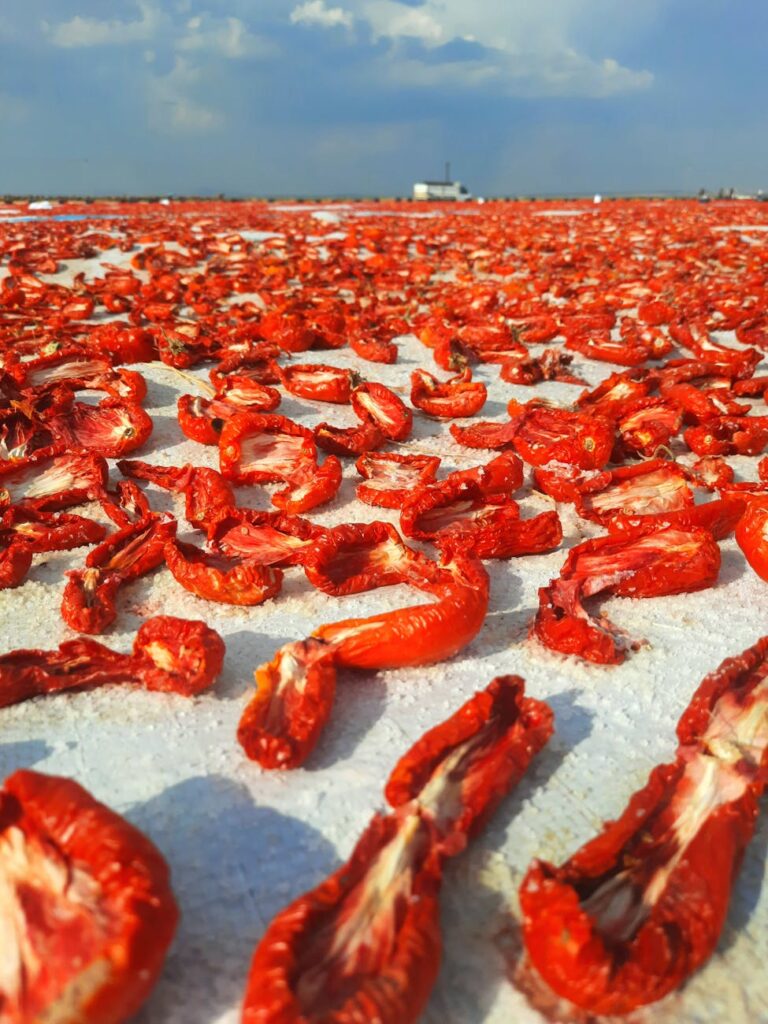
Beginner’s Guide to Sun-dried Tomatoes
Introduction
Sun-dried tomatoes have become a staple in kitchens around the world, celebrated for their concentrated flavor and versatility. Whether used in salads, pasta dishes, or as a topping on pizzas, these vibrant ingredients add a unique depth to numerous culinary creations. This guide aims to provide comprehensive information about sun-dried tomatoes, covering their history, production, quality assessment, and practical applications in cooking.
What Is Guides?
In the context of food ingredients, “guides” refer to authoritative resources that provide detailed information about specific ingredients, including their characteristics, uses, and best practices for selection and storage. This guide on sun-dried tomatoes serves as an educational tool for both novice and experienced cooks, helping them understand the nuances of this beloved ingredient.
History and Origins
The practice of sun-drying tomatoes dates back to ancient civilizations, particularly in regions with abundant sunlight. The method was originally developed as a preservation technique, allowing communities to store tomatoes for extended periods, especially during offseason.
Sun-dried tomatoes are believed to have originated in the Mediterranean region, particularly in Italy, where the climate is favorable for drying fruits and vegetables. The technique has been passed down through generations, becoming a hallmark of Mediterranean cuisine. Today, sun-dried tomatoes are produced globally, though the Italian varieties remain particularly esteemed for their flavor and quality.
Production and Processing
The production of sun-dried tomatoes begins with the selection of ripe, high-quality tomatoes, typically varieties like Roma or San Marzano, which are known for their dense flesh and low moisture content. The drying process involves several steps:
1. Harvesting: Tomatoes are harvested at peak ripeness, ensuring maximum flavor and sweetness.
2. Preparation: The tomatoes are washed, cored, and often cut in half or into quarters to facilitate drying.
3. Drying: Traditionally, tomatoes are laid out in the sun to dry naturally over several days. However, modern production often employs dehydrators or ovens to expedite the process while maintaining flavor.
4. Rehydration: Some sun-dried tomatoes are packed in oil or water to make them more pliable and easier to use in cooking.
5. Packaging: Finally, sun-dried tomatoes are packaged to preserve their quality and flavor, often in vacuum-sealed bags or jars, sometimes with added herbs and seasonings.
Quality and Grading
The quality of sun-dried tomatoes can vary significantly based on factors such as the type of tomato used, the drying process, and storage conditions. Here are key aspects to consider when assessing quality:
- Appearance: High-quality sun-dried tomatoes should have a deep red or reddish-brown color, indicating that they have been properly ripened and dried. They should be pliable without being overly hard or brittle.
- Texture: Good sun-dried tomatoes should have a slightly chewy texture. If they are too dry, they may lack flavor; if they are too moist, they may be prone to spoilage.
- Flavor: The taste should be rich and concentrated, with a hint of sweetness and a slight tang.
- Additives: Look for products without unnecessary preservatives or artificial flavors. Ideally, sun-dried tomatoes should consist of just tomatoes, with or without salt, and possibly oil if packed in jars.
- Type: Sun-dried tomatoes can be found in various forms, including whole, chopped, or packed in oil. Choose based on your intended use.
- Packaging: Opt for vacuum-sealed packages or jars to ensure freshness. If buying bulk, inspect the product closely for signs of moisture or spoilage.
- Origin: Italian sun-dried tomatoes are often considered superior due to traditional production methods and climate conditions. However, quality from other regions can also be excellent.
- Ingredients: Always check the ingredient list. Premium sun-dried tomatoes may contain nothing but tomatoes and salt; those packed in oil may contain additional herbs for flavor.
- Salads: They can add a savory touch to salads, complementing greens and other vegetables.
- Pasta and Sauces: Incorporating sun-dried tomatoes into pasta dishes or sauces adds richness and complexity.
- Pizzas and Flatbreads: They serve as an excellent topping, enhancing the flavor profile of pizzas and flatbreads.
- Dips and Spreads: Blending sun-dried tomatoes into dips or spreads can create an appealing appetizer.
- Stuffed Dishes: They can be chopped and mixed into stuffing for meats, vegetables, or pastries, adding an aromatic touch.
- Unopened Packages: Store in a cool, dry place away from direct sunlight. Unopened vacuum-sealed packages can last up to a year.
- Opened Packages: Once opened, sun-dried tomatoes should be kept in an airtight container. If stored in oil, they can be refrigerated to extend their shelf life. Typically, they will last for several weeks to a few months, depending on storage conditions.
- Rehydrated Tomatoes: If you’ve rehydrated sun-dried tomatoes, they should be consumed within a week if kept in the refrigerator.
- All Sun-dried Tomatoes Are the Same: Quality can vary significantly based on the tomato type, drying method, and origin. Not all sun-dried tomatoes offer the same flavor and texture.
- Sun-d
Buying Considerations
When purchasing sun-dried tomatoes, consider the following factors to ensure you select the best quality:
Uses and Applications
Sun-dried tomatoes are incredibly versatile and can be used in a variety of culinary applications:
Storage and Shelf Life
Proper storage is crucial for maintaining the quality of sun-dried tomatoes:
Common Misconceptions
Despite their popularity, several misconceptions about sun-dried tomatoes persist: