
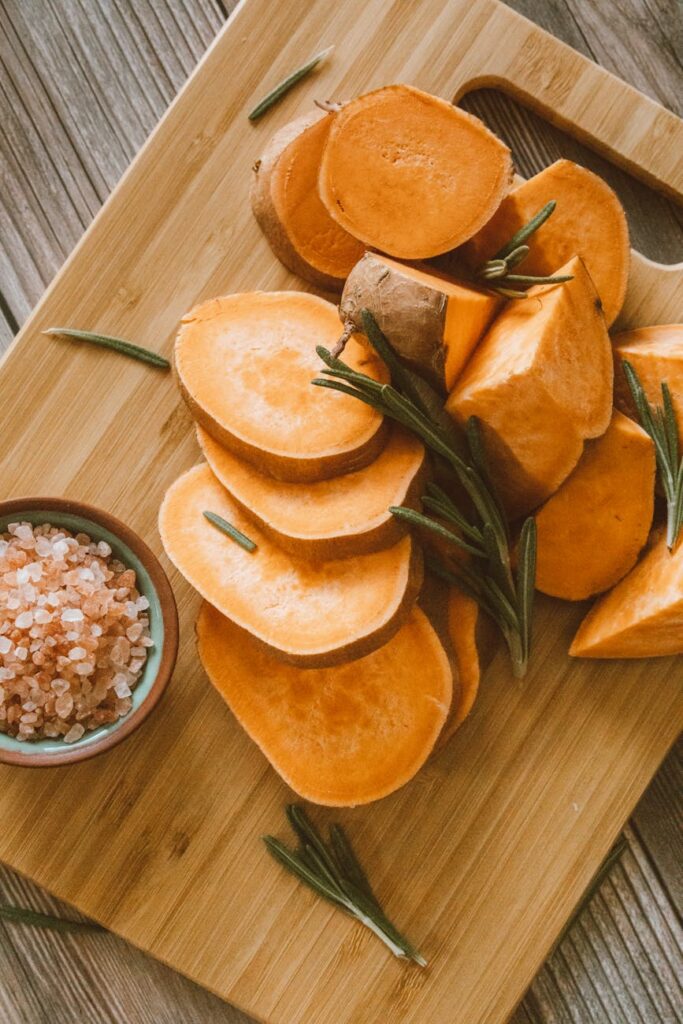
Beginner’s Guide to Sweet Potato
Introduction
Sweet potatoes, with their vibrant color and naturally sweet flavor, have become a staple in many cuisines around the world. They are not only versatile but also nutritious, making them a popular choice among culinary enthusiasts and health-conscious consumers alike. This guide aims to provide a comprehensive overview of sweet potatoes, covering everything from their history and production to their uses and storage, catering to both beginners and seasoned cooks.
What Is Sweet Potato?
Sweet potatoes (Ipomoea batatas) belong to the morning glory family and are often confused with yams, which are entirely different species. Characterized by their sweet, earthy flavor and creamy texture when cooked, sweet potatoes come in various shapes and colors, including orange, purple, and white. They are rich in vitamins, minerals, and antioxidants, making them not just a delicious addition to meals but also a nutritious one.
History and Origins
The origins of sweet potatoes can be traced back over 5,000 years to Central and South America, where they were first cultivated by indigenous peoples. Archaeological evidence suggests that sweet potatoes were a significant food source for ancient civilizations, and they spread to other parts of the world through exploration and trade.
In the 15th and 16th centuries, European explorers brought sweet potatoes back to Europe, where they were initially met with skepticism. However, their resilience and adaptability allowed them to flourish in various climates and soils, leading to their introduction into African and Asian cuisines. Today, sweet potatoes are cultivated globally, with major producers including China, the United States, and several countries in Africa.
Production and Processing
Sweet potatoes thrive in warm climates and require well-drained, sandy loam soil for optimal growth. The growing season typically ranges from 90 to 120 days, depending on the variety and climate. Farmers generally plant sweet potatoes in late spring, and they are harvested in the fall.
Once harvested, sweet potatoes undergo several processing stages. They are cleaned to remove soil and debris and then sorted by size and quality. Some may be stored for later use, while others are processed into products such as sweet potato fries, chips, or purees. The processing methods can significantly affect the flavor and texture of sweet potatoes, making it essential for producers to maintain quality throughout these stages.
Quality and Grading
Quality grading for sweet potatoes is determined by several factors, including appearance, size, and overall condition. The United States Department of Agriculture (USDA) provides guidelines for grading sweet potatoes, categorizing them into different classes.
- U.S. No. 1: This grade includes sweet potatoes that are well-formed, smooth, and free from damage, with a minimum diameter of 1.5 inches.
- U.S. No. 2: These may have slight imperfections or blemishes but still maintain a good level of quality.
- U.S. Commercial: This grade is more lenient, allowing for more imperfections and irregular shapes.
- Baking and Roasting: Sweet potatoes can be baked whole or roasted in chunks, allowing their natural sweetness to caramelize.
- Purées and Soups: Cooked sweet potatoes can be blended into purées or soups, offering a creamy texture and rich flavor.
- Frying: Sweet potato fries and chips have become popular alternatives to traditional potato snacks.
- Salads: Roasted sweet potatoes can add a sweet, hearty component to salads, balancing flavors and textures.
- Desserts: Sweet potatoes can also be used in desserts, such as pies and cakes, where their natural sweetness shines.
- Temperature: Ideal storage temperatures range from 55°F to 60°F (13°C to 16°C). Storing sweet potatoes in a refrigerator can alter their flavor and texture, leading to undesirable results.
- Shelf Life: When stored correctly, sweet potatoes can last for several weeks to months. However, check for signs of spoilage, such as soft spots or mold, and discard any affected tubers.
Consumers should look for firm, unblemished sweet potatoes, as any signs of softness, bruising, or decay indicate lower quality.
Buying Considerations
When purchasing sweet potatoes, consider the following factors to ensure you select the best quality:
1. Variety: Different varieties offer distinct flavors and textures. The most common types include Beauregard (orange flesh), Japanese (pale yellow flesh), and Purple (purple skin and flesh). Each variety lends itself to different culinary uses.
2. Seasonality: Sweet potatoes are generally available year-round, but peak season varies by region. They are typically harvested in the fall, so buying during this time may yield fresher produce.
3. Size and Shape: Opt for sweet potatoes that are uniform in size and shape. Oddly shaped tubers can be more challenging to peel and cook evenly.
4. Local vs. Imported: Whenever possible, consider purchasing locally grown sweet potatoes. They are often fresher and may have a lower environmental impact due to reduced transportation.
5. Organic vs. Conventional: Organic sweet potatoes are grown without synthetic pesticides and fertilizers. While they may be more expensive, many consumers prefer them for environmental and health reasons.
Uses and Applications
Sweet potatoes are incredibly versatile and can be used in a variety of culinary applications:
Storage and Shelf Life
Proper storage is crucial for maintaining the quality of sweet potatoes. They should be kept in a cool, dark, and well-ventilated area, away from direct sunlight and moisture.
Common Misconceptions
Several misconceptions surround sweet potatoes, leading to confusion among consumers:
1. Sweet Potatoes vs. Yams: Many people mistakenly refer to sweet potatoes as yams. Yams are a different species and are generally starchier and drier. Sweet potatoes are sweeter and creamier in texture.
2. Color Equals Nutrition: While orange-fleshed sweet potatoes are rich in beta-carotene, purple-fleshed varieties contain anthocyanins, which have their own unique health benefits. All colors offer nutritional value, so variety is key.
3. Cooking Methods: Some believe that boiling sweet potatoes is the only way to prepare them. However, baking and roasting can enhance their natural sweetness and flavor profile.
4. Sugar Content: There is a misconception that sweet potatoes are unhealthy due to their sweetness. In reality, their natural sugars are balanced with fiber, vitamins, and minerals, making them a nutritious option.
Frequently Asked Questions (6 FAQs)
1. Can you eat sweet potato skins?
Yes, sweet potato skins are edible and nutritious. They contain fiber and additional nutrients, so consider leaving the skin on when cooking.
2. What is the best way to cook sweet potatoes?
The best method depends on your preference. Baking or roasting can enhance sweetness, while boiling is quicker but may dilute some flavors. Steaming is another healthy option.
3. Are sweet potatoes healthier than regular potatoes?
Sweet potatoes generally have a higher nutrient density, offering more vitamins and minerals, particularly beta-carotene. However, both types of potatoes have unique health benefits.
4. How can you tell if a sweet potato is bad?
Signs of spoilage include softness, mold, or an unpleasant odor. Any sweet potato exhibiting these signs should be discarded.
5. What is the nutritional profile of sweet potatoes?
Sweet potatoes are rich in vitamins A and C, fiber, and antioxidants. They are lower in calories than many other carbohydrates, making them a healthy choice.
6. Can you freeze sweet potatoes?
Yes, cooked sweet potatoes can be frozen. However, raw sweet potatoes do not freeze well due to their high water content, which can affect texture and flavor.
—
In summary, sweet potatoes are a versatile and nutritious ingredient that can enhance a wide range of dishes. Understanding their history, production, and proper storage can help consumers make informed choices, ensuring they enjoy the best that this remarkable tuber has to offer.