
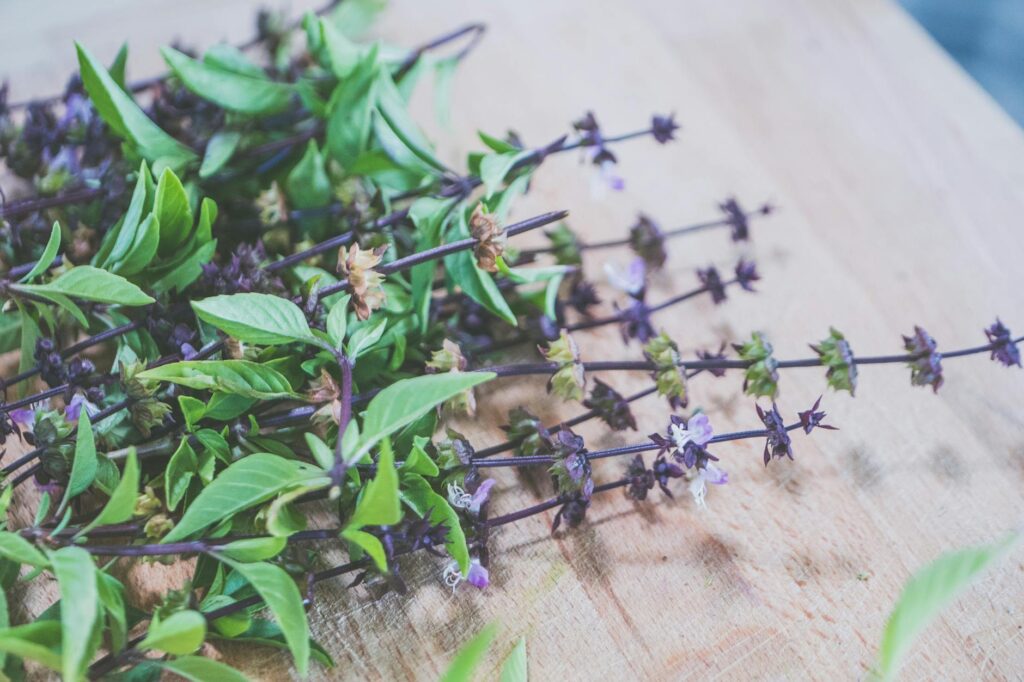
Beginner’s Guide to Thai Basil
Introduction
Thai basil, known scientifically as Ocimum basilicum var. thunbergii, is a fragrant herb that plays an integral role in Southeast Asian cuisine, particularly in Thai dishes. With its unique flavor profile, which is a blend of sweet, peppery, and slightly anise-like notes, Thai basil stands out among its culinary counterparts. This guide aims to provide comprehensive insights into Thai basil, exploring its history, production, quality, uses, and more.
What Is Guides?
In the context of food ingredients, “guides” refer to comprehensive resources that furnish readers with essential information about specific ingredients. These guides cover various aspects, including the ingredient’s history, production methods, quality assessment, and practical applications in cooking and food preparation. They serve as valuable references for culinary enthusiasts, chefs, and anyone interested in expanding their knowledge of food ingredients.
History and Origins
Thai basil is believed to have originated in Southeast Asia, where it has been cultivated for centuries. It is a native plant to regions including Thailand, Vietnam, and other parts of Indochina. The herb is deeply embedded in the cultural and culinary practices of these regions. Notably, Thai basil is often associated with traditional Thai and Vietnamese dishes, where it complements the bold flavors of chilies, garlic, and fish sauce.
The introduction of Thai basil to various parts of the world can be attributed to trade routes and the migration of peoples. As Thai cuisine gained international recognition, so too did Thai basil, leading to its adoption in diverse culinary practices across the globe.
Production and Processing
Cultivation
Thai basil thrives in warm climates, making it an ideal crop in tropical and subtropical regions. It prefers well-drained soil and requires moderate watering, as excessive moisture can lead to root rot. The plant can grow up to 18 inches tall and produces small purple flowers that are not only appealing but also attract pollinators.
Farmers typically propagate Thai basil from seeds or cuttings. The seeds germinate quickly, usually within a week, and the plants can be ready for harvest in about 3 to 4 weeks. In commercial cultivation, it is common to harvest Thai basil multiple times throughout the growing season, allowing for continuous production.
Processing
Once harvested, Thai basil is typically processed with care to preserve its vibrant green color and aromatic properties. The leaves are usually washed, dried, and packaged for distribution. In some cases, the leaves may be blanched briefly in hot water to enhance their color and firmness before being frozen or dried for later use.
Quality and Grading
The quality of Thai basil can significantly affect its flavor and aroma. Several factors determine the grading of Thai basil, including:
- Color: High-quality Thai basil should have vibrant green leaves, indicating freshness and vitality.
- Aroma: The herb should emit a strong, sweet, and slightly spicy fragrance. A lack of aroma may indicate age or poor quality.
- Texture: Fresh Thai basil leaves should be tender yet sturdy, without signs of wilting or browning.
- Size: While size may vary, uniformity in leaf size can indicate careful cultivation.
- Freshness: Look for vibrant green leaves that are free from browning or wilting. If purchasing from a market, consider buying from reputable vendors known for their quality produce.
- Source: Organic Thai basil is preferable for those concerned about pesticide use. Knowing the source can also provide insights into the herb’s flavor profile, as different growing conditions may impart unique characteristics.
- Form: Thai basil is available in both fresh and dried forms. While fresh basil is often favored for its superior flavor, dried basil can offer convenience and extended shelf life.
- Packaging: If buying packaged Thai basil, check for airtight seals to ensure that the herb maintains its freshness and aroma.
- Curries: Thai basil is a key ingredient in many Thai curries, where it adds depth and complexity to the dish.
- Soups: The herb is often used in soups like Tom Yum, where it complements the spicy and sour flavors.
- Stir-Fries: Thai basil can be added to stir-fries for an aromatic finish, bringing a fresh element to the dish.
- Garnish: Fresh leaves are often used as a garnish in salads and entrees, providing both visual appeal and flavor.
- Infusions: Thai basil can be used to infuse oils, vinegars, or syrups, imparting its unique flavor to various culinary creations.
- Refrigeration: Wrap the basil in a damp paper towel and place it in a plastic bag or container in the refrigerator. This method can keep the basil fresh for about a week.
- Water Method: Place the stems of the basil in a glass of water, similar to a bouquet of flowers, and cover the leaves loosely with a plastic bag. This can extend its freshness for several days.
While there are no standardized grading systems for Thai basil, these qualitative indicators are essential for both consumers and suppliers when assessing the herb’s freshness and suitability for culinary use.
Buying Considerations
When purchasing Thai basil, whether fresh or dried, several factors should be taken into account:
Uses and Applications
Thai basil is a versatile ingredient that can be used in various culinary applications. Its distinct flavor enhances a wide array of dishes, including:
In addition to its culinary uses, Thai basil is also popular in beverages, including herbal teas and cocktails, which benefit from its aromatic profile.
Storage and Shelf Life
Fresh Thai Basil
To maximize the shelf life of fresh Thai basil, it should be stored properly. Here are some effective storage methods:
Dried Thai Basil
Dried Thai basil should be stored in a cool, dark place in an airtight container. When stored properly, dried basil