
Beginner’s Guide to Zucchini
Introduction
Zucchini, also known as courgette in some parts of the world, is a versatile summer squash that has earned a prominent place in cuisines around the globe. With its delicate flavor and tender texture, zucchini lends itself well to a variety of culinary applications, making it a favorite among both home cooks and professional chefs. This guide aims to provide a comprehensive overview of zucchini, covering its history, production, culinary uses, and much more.
What Is Zucchini?
Zucchini is a variety of summer squash that belongs to the species Cucurbita pepo. It is typically characterized by its cylindrical shape and vibrant green skin, although there are also yellow and striped varieties available. Zucchini is harvested when it is still immature, generally measuring 6 to 8 inches in length, which allows for its tender texture and mild flavor. It is classified as a vegetable, though botanically speaking, it is a fruit because it develops from the flower of the zucchini plant.
History and Origins
The origins of zucchini can be traced back to Mesoamerica, where its ancestors were cultivated by indigenous peoples thousands of years ago. The zucchini we know today was developed in Italy in the 19th century. Italian immigrants brought it to the United States in the early 20th century, where it gained popularity, especially in California. The warm climate of California proved to be ideal for zucchini cultivation, and it quickly became a staple in American gardens and kitchens.
Production and Processing
Zucchini is primarily grown in warm climates worldwide, with the largest producers being the United States, Italy, and Mexico. It thrives in well-drained, nutrient-rich soil and requires full sun for optimal growth. The growing season for zucchini is relatively short, typically spanning from late spring to early fall.
Harvesting zucchini is usually done by hand, ensuring that the fruits are picked at the right stage of maturity. This is crucial, as overripe zucchini can become tough and bitter. Once harvested, zucchini is often processed for various applications, including freezing, pickling, and canning, to extend its shelf life and usability throughout the year.
Quality and Grading
When it comes to assessing the quality of zucchini, several factors are taken into account, including size, color, and firmness. High-quality zucchini should be firm, with a vibrant green color and minimal blemishes or soft spots. The best specimens are typically small to medium-sized, as larger zucchini can be less flavorful and more fibrous.
Grading standards for zucchini may vary by region. In the United States, the U.S. Department of Agriculture (USDA) offers a grading system based on size and quality, with categories like U.S. No. 1 and U.S. No. 2. These grades assist consumers and retailers alike in selecting the best produce for their needs.
Buying Considerations
When purchasing zucchini, consider the following factors to ensure you select the freshest and most flavorful squash:
1. Appearance: Look for zucchini that is glossy and free of blemishes. The skin should be firm to the touch, indicating freshness.
2. Size: Aim for smaller zucchinis, usually between 6 to 8 inches long. Larger zucchinis may be overripe and have a tougher texture.
3. Color: Vibrant green zucchini is generally fresher. Avoid any that show signs of dullness or discoloration.
4. Season: Zucchini is at its peak during the summer months, so purchasing in-season will yield the best flavor and quality.
5. Organic vs. Conventional: If you are concerned about pesticide residues, consider purchasing organic zucchini, which is grown without synthetic pesticides and fertilizers.
Uses and Applications
Zucchini is remarkably versatile and can be employed in numerous culinary applications. Its mild flavor allows it to blend seamlessly into a variety of dishes, making it suitable for:
1. Sautéing: Zucchini can be sautéed with garlic and herbs as a side dish or incorporated into stir-fries.
2. Grilling: Sliced zucchini is excellent on the grill, where its natural sugars caramelize, enhancing its flavor.
3. Baking: Zucchini can be used in baked goods such as breads and muffins, adding moisture and nutrition.
4. Soups and Stews: It serves as a hearty addition to soups and stews, contributing texture and flavor.
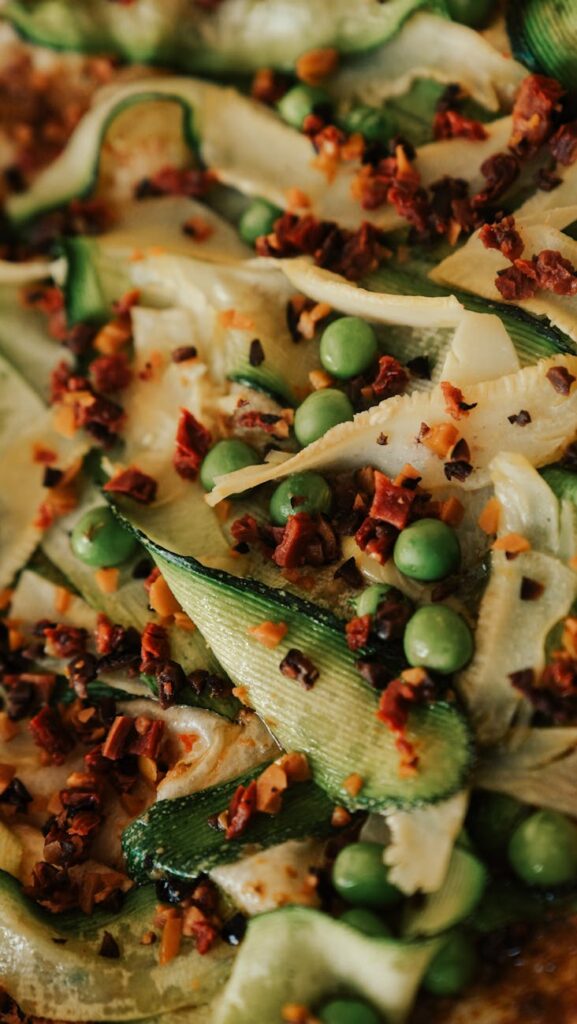
5. Raw Preparations: Thinly sliced or spiralized zucchini can be used in salads or as a low-carb alternative to pasta.
The culinary applications of zucchini are virtually limitless, making it a staple in both home and professional kitchens.
Storage and Shelf Life
To maintain the freshness and quality of zucchini, proper storage methods are essential. Here are some guidelines:
- Refrigeration: Store zucchini in the vegetable crisper drawer of your refrigerator. It is best kept in a breathable bag, such as a perforated plastic bag, to prevent moisture buildup.
- Shelf Life: Fresh zucchini can last up to a week in the refrigerator. If stored properly, it can retain its quality for several days beyond this, but it is best to consume it within the first week for optimal flavor and texture.
- Frozen Storage: For long-term storage, zucchini can be blanched and frozen. Cut it into slices or cubes, blanch for a few minutes, then cool and freeze in airtight containers. Frozen zucchini can be stored for up to six months.
Common Misconceptions
Despite its popularity, several misconceptions about zucchini persist:
1. Zucchini Is Only for Summer: While zucchini is a summer squash, it can be stored and used throughout the year, especially when frozen or canned.
2. All Zucchini Tastes the Same: There are multiple varieties of zucchini, each with its unique flavor profile and texture, including yellow zucchini and round zucchini.
3. Larger Zucchini Are Better: Many people believe that larger zucchinis are superior, but smaller specimens are typically more tender and flavorful.
Understanding these misconceptions can enhance one’s appreciation for this versatile ingredient.
Frequently Asked Questions
1. Is zucchini a vegetable or a fruit?
Zucchini is botanically classified as a fruit since it develops from the flower of the zucchini plant. However, it is commonly treated as a vegetable in culinary contexts.
2. Can you eat zucchini raw?
Yes, zucchini can be eaten raw. It is often enjoyed in salads, as a crudité, or spiralized as a pasta substitute.
3. How do you know when zucchini is ripe?
Ripe zucchini should be firm, with a glossy skin and a bright color. It is best harvested when it is between 6 to 8 inches long.
4. What are the different varieties of zucchini?
Some common varieties of zucchini include black beauty, round zucchini, and yellow zucchini, each offering unique flavors and textures.
5. Can zucchini be frozen for later use?
Yes, zucchini can be blanched and frozen for long-term storage. It is recommended to cut it into slices or cubes before freezing.
6. What are the best cooking methods for zucchini?
Zucchini can be sautéed, grilled, baked, or used in soups and salads. Its versatility makes it suitable for a wide range of cooking techniques.
Conclusion
Zucchini is a remarkable ingredient, celebrated for its versatility, flavor, and nutritional benefits. Understanding its history, production, and various culinary applications can enhance your appreciation of this summer squash. By selecting high-quality zucchini and employing proper storage techniques, you can enjoy its delights throughout the year, making it a staple in your kitchen. Whether you are a beginner or an experienced cook, zucchini offers endless possibilities for culinary exploration.