
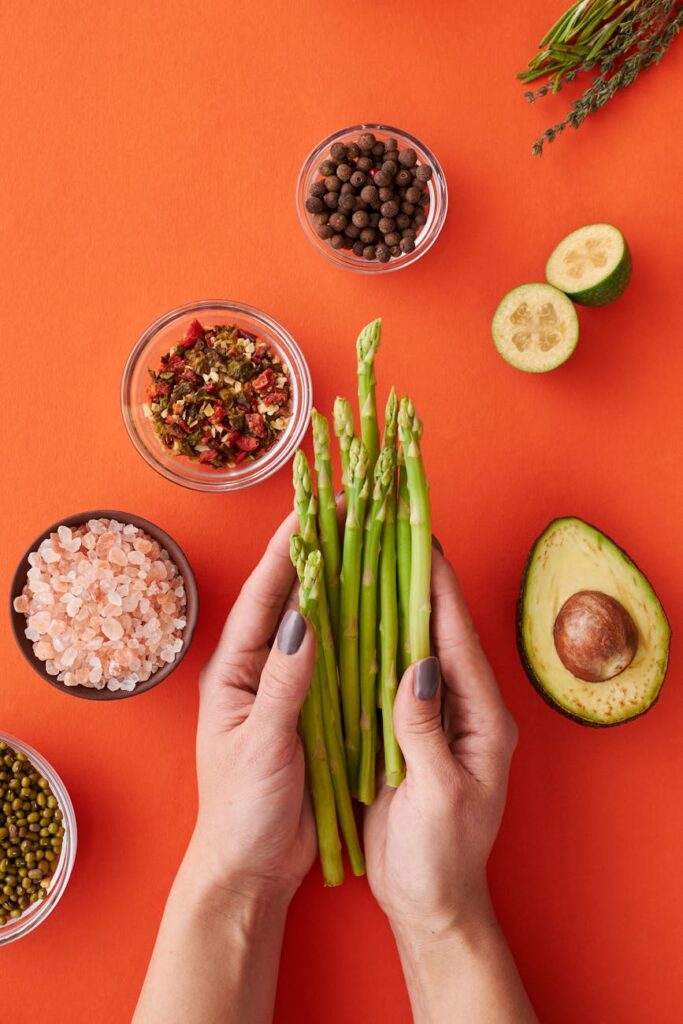
Best Climate for Growing Asparagus
Introduction
Asparagus (Asparagus officinalis) is a perennial vegetable known for its tender spears and unique flavor. Cultivated for centuries, asparagus is not only a culinary delight but also a product that requires specific climatic conditions to thrive. Understanding the best climate for growing asparagus is essential for both commercial growers and home gardeners. This article explores the factors that contribute to the optimal growth of asparagus, encompassing its history, production methods, and practical considerations.
What Is Growing?
Growing refers to the cultivation process whereby seeds or plants are nurtured to develop into mature, harvestable crops. In the case of asparagus, growing involves selecting the right variety, preparing the soil, providing appropriate nutrients, and ensuring suitable climatic conditions. Asparagus is a perennial crop that can yield for several years once established, making the understanding of its growth requirements critical for sustainable cultivation.
History and Origins
Asparagus has a rich history that dates back over 2,000 years. Originally cultivated in the Mediterranean region, it was prized by ancient Greeks and Romans for its culinary and medicinal properties. The word “asparagus” is derived from the Greek word “asparagos,” which means “shoot” or “sprout.”
In the 18th century, asparagus gained popularity in northern Europe, particularly in France and England, where it was regarded as a delicacy. Today, asparagus is grown in many parts of the world, with significant production occurring in the United States, China, and Peru. Understanding its historical context helps to appreciate the cultural significance and agricultural practices that have shaped modern asparagus cultivation.
Production and Processing
Asparagus production requires careful planning and consideration of various environmental factors. The ideal climate for growing asparagus includes:
Temperature
Asparagus thrives in temperate climates with distinct seasons. The ideal temperature range for growth is between 60°F and 80°F (15°C to 27°C). Asparagus requires a period of dormancy in winter, where temperatures drop below 32°F (0°C), to stimulate healthy growth the following spring.
Soil Conditions
Well-drained soil is vital for asparagus cultivation. The plant prefers sandy loam or loamy soil that is rich in organic matter. Heavy clay soils retain too much moisture, leading to root rot and other diseases. The soil pH should ideally be between 7.0 and 8.0, as asparagus is sensitive to acidic conditions.
Sunlight and Water
Asparagus requires full sunlight to thrive, necessitating at least 6 to 8 hours of direct sunlight per day. Adequate water is also essential, particularly during the growing season; however, overwatering can be detrimental. A consistent moisture level is optimal, especially during the initial growth stages.
Frost Sensitivity
Asparagus is sensitive to frost, and late spring frosts can damage emerging spears. Regions with a moderate climate, where frost is less likely to occur after the initial growth period, are preferable for asparagus cultivation.
Quality and Grading
The quality of asparagus is determined by various factors, including size, color, and tenderness. When assessing asparagus, consider the following grading criteria:
Size and Thickness
Asparagus spears are typically graded by thickness; thicker spears (often referred to as “large” or “jumbo”) are generally favored for their flavor and tenderness. However, thinner spears can also be desirable for specific culinary applications.
Color
Fresh asparagus should exhibit a vibrant green color, with some varieties displaying a purple or white hue. Discoloration or dullness may indicate age or poor storage conditions.
Tenderness
Fresh asparagus should snap easily when bent. Overly mature spears may become woody and less palatable. Quality asparagus should have a firm texture and a fresh, grassy aroma.
Buying Considerations
When purchasing asparagus, several factors should be taken into account:
Freshness
Always choose fresh asparagus, ideally from local growers, to ensure peak flavor and quality. Look for bright green spears with tightly closed tips.
Seasonality
Asparagus is typically in season from early spring to late spring, depending on the region. Purchasing during peak season guarantees better quality and lower prices.
Organic vs. Conventional
Consider whether you prefer organic or conventionally grown asparagus. Organic asparagus is cultivated without synthetic pesticides or fertilizers, appealing to environmentally conscious consumers.
Uses and Applications
Asparagus is a versatile vegetable used in various culinary applications. It can be steamed, grilled, sautéed, or consumed raw in salads. Its distinct flavor complements a range of dishes, from pasta to omelets. Additionally, asparagus is often featured in gourmet cuisine, celebrated for its delicate taste and elegant presentation.
Storage and Shelf Life
Proper storage is crucial for maintaining the quality of asparagus. Here are some tips for maximizing shelf life:
Refrigeration
Fresh asparagus should be stored in the refrigerator, ideally standing upright in a container with a small amount of water to keep the ends hydrated. This method can extend freshness for up to a week.
Wrapping
Alternatively, asparagus can be wrapped in a damp paper towel and placed in a resealable plastic bag to retain moisture.
Freezing
For longer storage, asparagus can be blanched and frozen. This process preserves its color and flavor, allowing it to be enjoyed year-round.
Common Misconceptions
Several misconceptions exist regarding asparagus cultivation:
“Asparagus Is Difficult to Grow”
While asparagus requires specific conditions, with the right knowledge, it can be successfully grown by both experienced gardeners and novices. Proper soil preparation and care can yield bountiful harvests.
“Asparagus Only Grows in Certain Regions”
While asparagus thrives in temperate climates, it can be grown in a variety of regions with the right care. There are varieties suited for different growing conditions, allowing for broader cultivation.
“Asparagus Must Be Grown from Seed”
Asparagus can be propagated from seeds, but it is often more efficient to use established crowns. These crowns can produce a harvest in their second year, compared to three years for seed-grown plants.
Frequently Asked Questions
1. What is the best time to plant asparagus?
The ideal time to plant asparagus is in the spring, once the soil has warmed to at least 50°F (10°C). This timing allows for optimal growth during the growing season.
2. How long does it take for asparagus to produce harvestable spears?
Asparagus typically takes 2–3 years to produce harvestable spears when grown from crowns. Seed-grown plants may take longer to mature.
3. Can asparagus be grown in containers?
Yes, asparagus can be grown in large containers; however, ensure the containers have sufficient depth and drainage for healthy root development.
4. How often should asparagus be watered?
Asparagus requires consistent moisture, especially during the growing season. Water deeply once a week, adjusting based on rainfall and soil conditions.
5. What pests and diseases affect asparagus?
Common pests include asparagus beetles and aphids, while diseases such as fusarium and rust can impact growth. Integrated pest management strategies are recommended for control.
6. Is it necessary to fertilize asparagus?
Yes, asparagus benefits from annual fertilization, particularly with organic fertilizers rich in nitrogen and phosphorus. This supports healthy growth and production.
—
In conclusion, growing asparagus successfully hinges on understanding its climatic and environmental requirements. By fostering the right conditions and employing sound agricultural practices, both commercial growers and home gardeners can enjoy the exquisite flavors and nutritional benefits of this culinary treasure.