
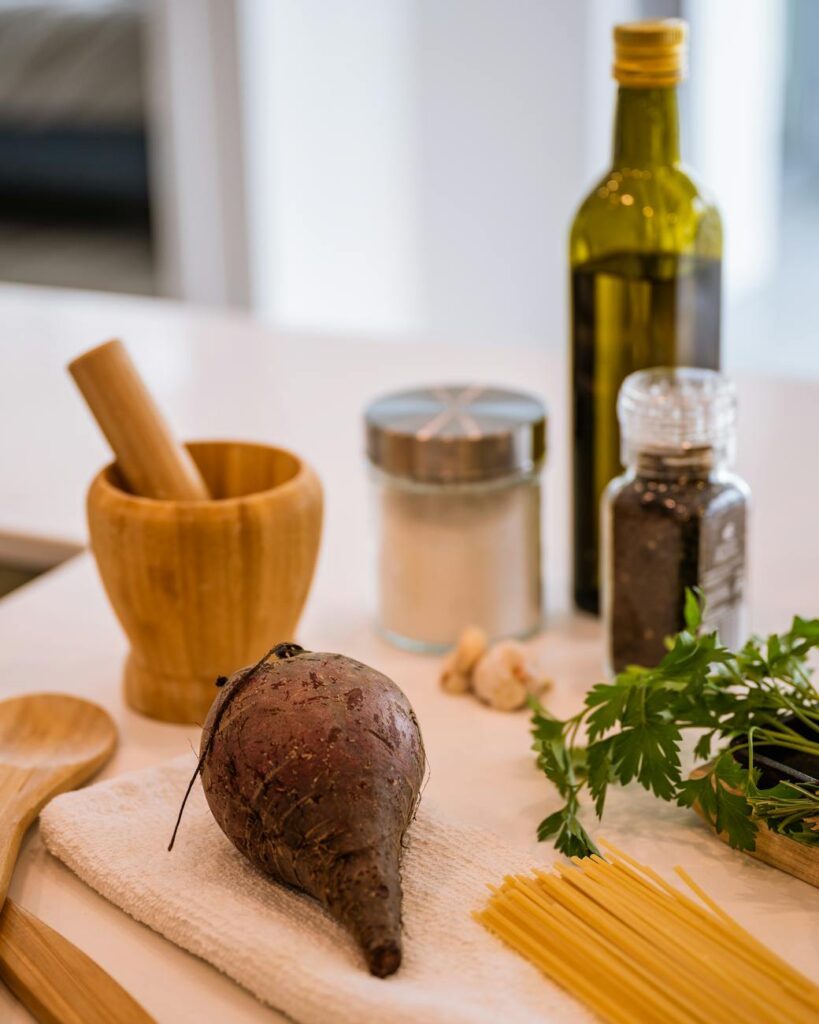
Best Climate for Growing Beetroot
Introduction
Beetroot, known scientifically as Beta vulgaris, is a versatile root vegetable cherished for its vibrant color, earthy flavor, and rich nutritional profile. As a key ingredient in global cuisines, understanding the best climate conditions for growing beetroot can enhance cultivation, improve yield, and ensure high-quality produce. This article delves into the optimal climate for beetroot growth, offering insights into its historical context, production processes, grading standards, and common misconceptions.
What Is Growing?
Growing, in the agricultural context, refers to the cultivation of plants for food, fiber, or other uses. It encompasses various practices, including soil preparation, planting, nurturing, harvesting, and post-harvest processing. When it comes to beetroot, understanding the specific requirements for growth—such as soil type, temperature, and moisture—is essential for successful cultivation.
Beetroot is a biennial plant, meaning it typically completes its life cycle in two years, but it is most commonly harvested in the first year when the root is at its prime. The climate in which beetroot is grown plays a crucial role in determining its growth patterns, quality, and overall yield.
History and Origins
The history of beetroot can be traced back to ancient civilizations. Originally found along the Mediterranean coastline, wild beet varieties were cultivated for their leaves by the Romans and Greeks. The root was not widely consumed until the Middle Ages, when it became a staple in Eastern European diets. Today, beetroot is grown in many parts of the world, with major production centers in Europe, North America, and Asia.
The adaptation of beetroot to various climates has led to the development of a range of cultivars suited for different growing conditions. These cultivars can vary significantly in size, color, and flavor, influenced by the climate in which they are cultivated.
Production and Processing
The production of beetroot involves several key steps, each influenced by climatic conditions. The ideal environment for growing beetroot includes moderate temperatures, sufficient sunlight, and well-drained soil rich in organic matter.
Ideal Growing Conditions
1. Temperature: Beetroot thrives in cooler temperatures, ideally between 50°F to 75°F (10°C to 24°C). Extreme heat can lead to bolting, where the plant prematurely flowers and goes to seed, resulting in tough, woody roots. Conversely, frost can damage young plants, so a mild climate is preferred.
2. Sunlight: Beetroot requires full sun for optimal growth, needing at least 6 hours of direct sunlight daily. However, in extremely hot climates, partial shade can help prevent heat stress.
3. Soil Type: Well-draining, loamy soil with a pH level of 6.0 to 7.0 is ideal for beetroot. Heavy clay soils can impede root development, while sandy soils may not retain sufficient moisture. Organic matter, such as compost, can enhance soil fertility and structure.
4. Moisture: Consistent moisture is vital for beetroot growth. Irregular watering can lead to split roots and poor quality. A balanced irrigation strategy, particularly during dry spells, is essential.
Harvesting Techniques
Harvesting is typically done when the roots reach a diameter of 1.5 to 3 inches (4 to 7.5 cm). Care should be taken to avoid damaging the roots during harvest, as this can affect storage quality. After harvesting, the roots are usually cleaned, trimmed, and prepared for either market or storage.
Quality and Grading
Quality assessment of beetroot involves evaluating several factors:
1. Size and Shape: Uniformly shaped roots are preferred, with a smooth, unblemished skin. Roots that are too large may be woody, while those that are too small may not have developed fully.
2. Color: The color intensity can indicate freshness and flavor. Deep, rich colors are generally associated with higher sugar content.
3. Texture: High-quality beetroot should be firm to the touch. Soft or spongy roots may indicate decay or spoilage.
Grading standards can vary by region, but most markets classify beetroot into various grades based on these criteria. Higher grades fetch better prices and are often selected for export or premium markets.
Buying Considerations
When purchasing beetroot, whether at a market or grocery store, consider the following factors to ensure quality:
1. Seasonality: Beetroot is typically in season from late spring to early fall, depending on the climate. Buying in season can ensure fresher, more flavorful produce.
2. Appearance: Look for firm roots without soft spots, blemishes, or signs of decay. The greens, if still attached, should be crisp and vibrant.
3. Source: Organic beetroot may be preferable for those looking to avoid pesticides. Local produce is often fresher and may have a lower carbon footprint.
4. Storage: Fresh beetroot should be stored in a cool, dark place. Avoid washing them until ready for use, as moisture can promote decay.
Uses and Applications
Beetroot is a culinary chameleon, finding its way into a variety of dishes across cultures. Common uses include:
- Salads: Raw or pickled beetroot adds color and flavor to salads.
- Soups: Borscht, a traditional Eastern European soup, is perhaps the most famous beetroot dish.
- Juices: Beetroot juice has gained popularity for its health benefits and as a natural sweetener.
- Garnishes: The vibrant color of beetroot makes it an excellent garnish for various dishes.
- At Room Temperature: Up to a week, provided they are kept in a cool, dark place.
- In the Refrigerator: Up to 3 to 4 weeks. Remove the greens to prevent moisture loss and store in a perforated plastic bag to maintain humidity.
- In the Freezer: Beetroot can be blanched and frozen, extending its shelf life for several months.
The versatility of beetroot extends beyond the kitchen; it is also used in food coloring and as a natural sweetener in various products.
Storage and Shelf Life
Proper storage can significantly extend the shelf life of beetroot. When stored correctly, fresh beetroot can last:
Regular checks for spoilage are crucial, as any soft or decaying roots can affect the quality of the surrounding produce.
Common Misconceptions
Several misconceptions surround beetroot cultivation and usage:
1. Tastes Earthy: While beetroot does have an earthy flavor, its sweetness can vary significantly based on growing conditions, particularly soil quality and moisture levels.
2. Difficult to Grow: While beetroot does have specific requirements, it is relatively easy to cultivate with proper attention to climate and soil conditions.
3. Only Red: While the classic beetroot is red, there are numerous varieties, including golden, striped, and even white beets, each offering unique flavors and uses.
4. High in Sugar: While beetroot contains natural sugars, it is low in calories and high in nutrients, making it a healthy addition to any diet.
Frequently Asked Questions
1. What is the best time of year to plant beetroot?
Beetroot is best planted in early spring or late summer for a fall harvest. In regions with mild winters, it can also be sown in the fall.
2. Can beetroot be grown in containers?
Yes, beetroot can be successfully grown in containers as long as they are deep enough to accommodate the roots—at least 12 inches deep is recommended.
3. What pests and diseases affect beetroot?
Common pests include aphids and leaf miners, while diseases can include downy mildew and various root rots. Crop rotation and good hygiene practices can mitigate these issues.
4. How can I tell when beetroot is ready to harvest?
Beetroot is typically ready to harvest when the roots reach a diameter of 1.5 to 3 inches. Check by gently pulling one from the soil to assess its size.
5. Is beetroot hard to store?
No, but proper storage techniques are essential to maintain freshness. Store in a cool, dark place or refrigerate for optimal shelf life.
6. What is the best way to prepare beetroot for cooking?
Beetroot can be roasted, boiled, or steamed. The skin can be left on during cooking to preserve flavor, and it is typically peeled afterward for salads or other dishes.
Conclusion
Understanding the best climate for growing beetroot is essential for cultivating this vibrant and nutritious vegetable. By considering temperature, sunlight, soil quality, and moisture, growers can optimize their practices to produce high-quality beetroot. As this root vegetable continues to gain popularity in various culinary applications, knowledge of its cultivation will ensure that it remains a staple ingredient in kitchens around the world.