
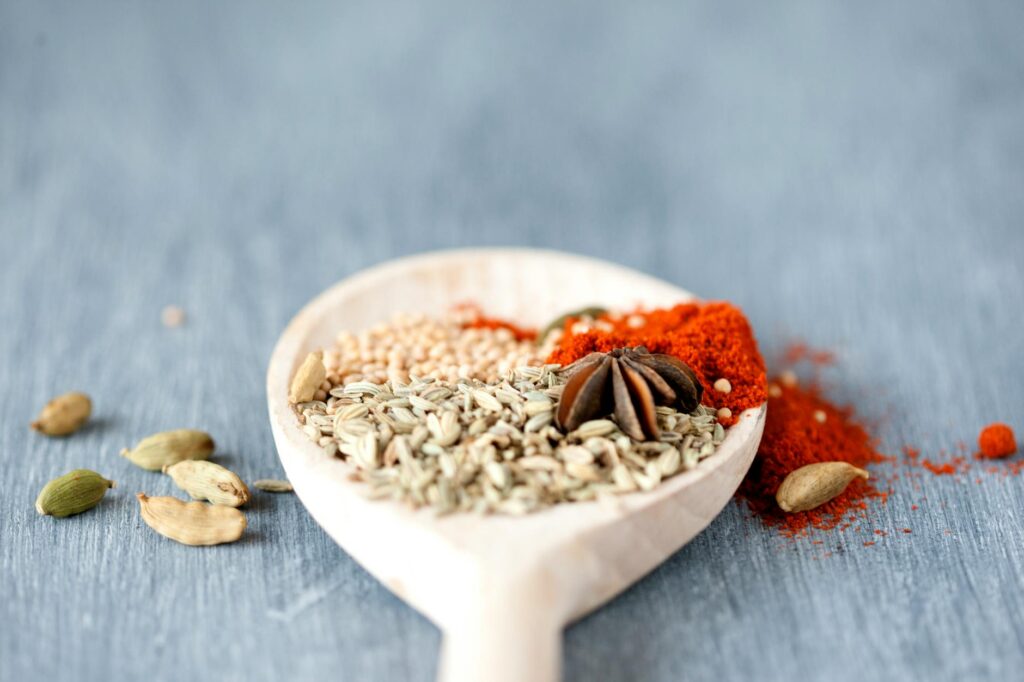
Best Climate for Growing Cardamom
Introduction
Cardamom, often referred to as the “queen of spices,” is a highly valued ingredient in culinary traditions worldwide. Its distinctive aroma and flavor make it a staple in both sweet and savory dishes. However, the cultivation of cardamom requires specific climatic conditions to thrive. Understanding these conditions is essential for growers aiming for high-quality production. This article explores the best climate for growing cardamom, along with its historical significance, production processes, and practical considerations for buyers.
What Is Growing?
Growing refers to the process of cultivating plants in a suitable environment to encourage their development and yield. This involves managing factors such as soil, water, light, temperature, and nutrients to optimize growth. For cardamom, which is a tropical perennial herb, specific growing conditions are paramount. Proper attention to these factors not only enhances the plant’s growth but also influences the quality and flavor profile of the harvested spice.
History and Origins
Cardamom has a rich history that dates back thousands of years. Native to the tropical forests of the Western Ghats in India, it has been cultivated for over 2,000 years. Ancient texts from India and Greece mention its use for culinary and medicinal purposes. The spice was highly prized in ancient markets, and it found its way into trade routes, spreading to the Middle East and Europe. Today, cardamom is primarily produced in India, Guatemala, and Sri Lanka, reflecting its diverse origins and global significance.
Production and Processing
Cardamom is generally grown in tropical regions characterized by high humidity and rainfall. The best climate for its cultivation includes:
- Temperature: Cardamom thrives in temperatures ranging from 18°C to 30°C (64°F to 86°F). Temperatures below 10°C (50°F) can be detrimental, while excessive heat can stress the plant.
- Rainfall: An annual rainfall of 2,000 to 4,000 mm (79 to 157 inches) is ideal. Cardamom requires consistent moisture; however, waterlogging can lead to root rot. Thus, well-drained soil is crucial.
- Soil: Well-drained, loamy or sandy soils enriched with organic matter are best for cardamom cultivation. The soil pH should ideally range from 4.5 to 7.0.
- Shade: Cardamom is a shade-loving plant. Growing it under the canopy of taller trees or utilizing shade nets can help maintain the necessary humidity and temperature levels.
- Green Cardamom: The most prized variety, known for its rich aroma and intense flavor, is graded based on pod size and color. Larger, uniformly green pods fetch higher prices.
- Black Cardamom: This variety has a smoky flavor and is often used in savory dishes. It is typically graded based on the size and number of seeds within the pods.
- Origin: Different regions produce cardamom with unique flavor profiles. Indian cardamom is often more aromatic than its Guatemalan counterpart.
- Form: Cardamom can be found in pods, seeds, or ground form. Whole pods retain flavor better than ground cardamom, which can lose its potency over time.
- Freshness: Check for the harvest date when available. The fresher the cardamom, the more intense the flavor.
- Quality: Look for uniformity in size and color. High-quality cardamom should have a strong, pleasant aroma.
- Sustainability: Consider sourcing cardamom from sustainable farms to support ethical growing practices and environmental conservation.
- Culinary: In Indian cuisine, cardamom is a key ingredient in chai and biryani. It is also used in Scandinavian baking, Middle Eastern dishes, and even in some Western desserts.
- Beverages: Cardamom is often infused in teas, coffee, and alcoholic beverages, adding a complex layer of flavor.
- Aromatherapy: Beyond culinary uses, cardamom is also utilized in essential oils and perfumes due to its pleasing aroma.
- Whole Pods: Store in an airtight container in a cool, dark place. They should last up to three years.
- Ground Cardamom: It is best used within six months to a year. Keep it in a tightly sealed container away from light and heat.
- All Cardamom is the Same: In reality, there are different varieties, notably green and black cardamom, each with distinct flavors and uses.
- Ground Cardamom is Better: While ground cardamom is convenient, whole pods offer superior flavor retention and longevity.
- Cardamom is Only for Sweets: Many people associate cardamom primarily with sweet dishes, but it is equally effective in savory preparations.
The harvesting process is labor-intensive. Cardamom pods are typically harvested by hand when they are still green and firm. Following harvest, the pods must be dried carefully to preserve their volatile oils and flavor, making proper processing crucial to maintaining quality.
Quality and Grading
The quality of cardamom is assessed based on several factors, including size, color, aroma, and flavor. Grading is essential in commercial markets and is typically categorized into different classes.
Quality can also be influenced by growing conditions. Cardamom cultivated in optimal climates with adequate rainfall and soil nutrients tends to yield superior pods, making climate considerations critical for producers.
Buying Considerations
When purchasing cardamom, several factors should be considered:
Uses and Applications
Cardamom is versatile, employed in various culinary applications across cultures. Its unique flavor profile makes it suitable for both sweet and savory dishes.
Understanding these applications can help consumers appreciate the versatility of cardamom and its significance in various culinary traditions.
Storage and Shelf Life
Proper storage is essential for maintaining the quality of cardamom. When stored correctly, whole pods can last for several years, while ground cardamom has a shorter shelf life due to the rapid loss of volatile oils.
Regularly checking your supply and discarding any stale or discolored pods will ensure that you always have high-quality cardamom on hand.
Common Misconceptions
Several misconceptions surround cardamom that can lead to confusion:
Understanding these misconceptions can enhance the appreciation of cardamom and its diverse applications.
Frequently Asked Questions
1. What climate is best for growing cardamom?
Cardamom flourishes in tropical climates with temperatures between 18°C and 30°C (64°F to 86°F), high humidity, and ample rainfall.
2. Can cardamom be grown in non-tropical regions?
While it is challenging, cardamom can be cultivated in controlled environments like greenhouses that simulate tropical conditions.
3. What soil type is ideal for cardamom cultivation?
Well-drained, loamy or sandy soils enriched with organic matter and a pH range of 4.5 to 7.0 are ideal.
4. How can I tell if my cardamom is fresh?
Fresh cardamom should have a strong aroma and a vibrant green color. Stale cardamom may appear dull or discolored.
5. What are the main uses of cardamom?
Cardamom is used in various cuisines, beverages, and aromatherapy, showcasing its versatility as both a spice and an aromatic.
6. How should I store cardamom to maintain its quality?
Whole pods should be stored in an airtight container in a cool, dark place, while ground cardamom should be kept sealed away from light and heat.
Conclusion
Understanding the best climate for growing cardamom is crucial for achieving optimal yield and quality. The combination of temperature, humidity, rainfall, and soil type directly influences the growth of this beloved spice. With its rich history and extensive applications, cardamom continues to be a cherished ingredient in kitchens around the world. By recognizing the conditions necessary for its cultivation, growers can ensure that this aromatic spice remains a staple in global cuisine for generations to come.