
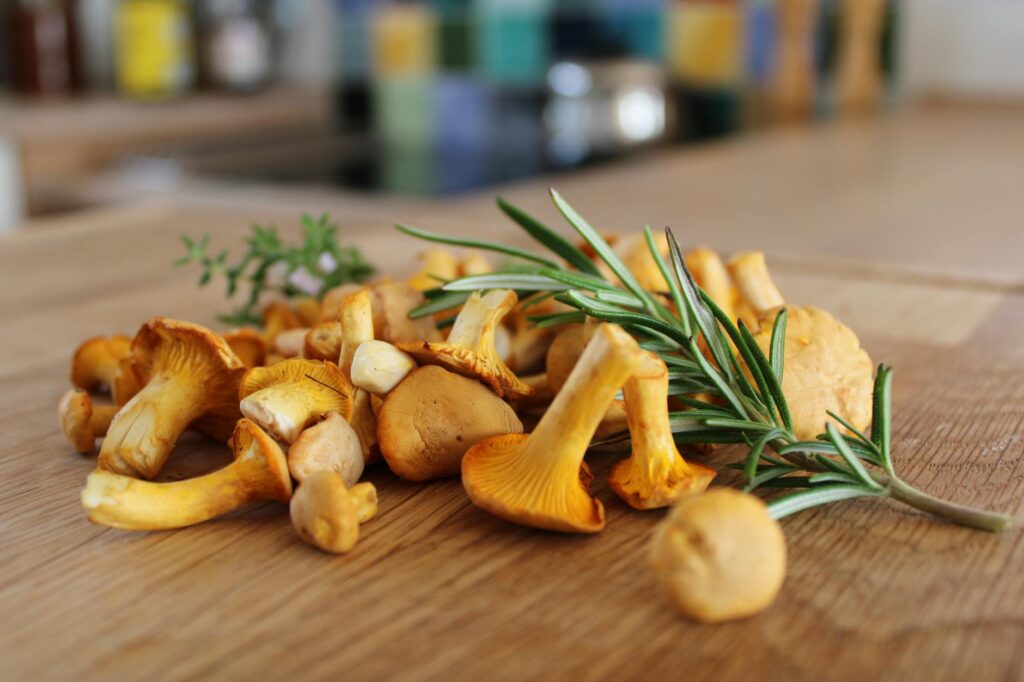
Best Climate for Growing Chanterelle Mushrooms
Introduction
Chanterelle mushrooms, renowned for their vibrant golden hues and delicate, peppery flavor, have long been a prized ingredient in culinary circles. However, understanding the optimal conditions for growing these wild delicacies is crucial for aspiring cultivators and mycophiles alike. This article delves into the best climate for growing chanterelles, exploring their unique biology, environmental requirements, and practical insights for successful cultivation.
What Is Growing?
In the context of chanterelle mushrooms, “growing” refers to the process of cultivating these fungi from spores to mature fruiting bodies. Unlike traditional crops, mushrooms are not plants; they belong to the fungi kingdom, which has distinct biological needs. Chanterelles, particularly, form symbiotic relationships with specific tree species, making their cultivation dependent on various ecological factors, including soil composition, moisture, and climate.
History and Origins
Chanterelle mushrooms have a rich history that dates back centuries. They have been foraged from temperate forests in Europe and North America, where they thrive in association with certain tree species such as oaks, pines, and firs. The name “chanterelle” is derived from the French word “chanter,” meaning “to sing,” which may allude to the mushroom’s vibrant color and appealing taste. Historically, these mushrooms have been celebrated not only for their culinary applications but also for their role in traditional medicine and local folklore.
Production and Processing
The production of chanterelle mushrooms is a nuanced endeavor influenced by environmental factors. They reproduce through spores, which germinate in the presence of the right host tree roots, forming a mycorrhizal network. This symbiotic relationship is essential; without it, chanterelles cannot flourish.
Optimal Climate Conditions
Chanterelles typically thrive in temperate climates characterized by:
- Moderate Temperatures: Ideal temperatures for chanterelle growth range from 60°F to 70°F (15°C to 21°C). Extreme heat or cold can hinder their development.
- Adequate Moisture: These mushrooms prefer environments with consistent moisture levels, usually found in areas with regular rainfall or high humidity. However, standing water or overly saturated soils can lead to fungal diseases.
- Seasonal Variation: Chanterelles generally fruit in late summer to early autumn, coinciding with specific temperature and moisture conditions. Understanding seasonal weather patterns is crucial for successful harvest timing.
- Acidic Soils: A pH level between 4.5 and 6.5 is ideal. Well-draining, sandy or loamy soils that are rich in organic matter support healthy mycorrhizal networks.
- Nutrient-Rich Environments: The presence of decaying organic matter, such as leaf litter and decomposed wood, provides essential nutrients and fosters the growth of beneficial microorganisms.
- Size and Shape: High-quality chanterelles have a distinct trumpet shape, with a firm and plump texture. The caps should be well-formed and free from blemishes.
- Color: The ideal hue is a vibrant yellow to golden orange. Dull or faded colors may indicate age or subpar conditions.
- Freshness: Chanterelles should be harvested when they are fully mature but still firm. Overripe mushrooms can become mushy and lose their flavor.
- Source: Always buy from reputable vendors or foragers who can guarantee the mushrooms’ origin and quality.
- Seasonality: Be mindful of the growing season in your area. Fresh chanterelles are typically available from late summer to early autumn.
- Sustainability: Consider purchasing from sources that practice sustainable harvesting methods to ensure the long-term viability of chanterelle habitats.
- Sautéing: Chanterelles can be sautéed with butter and herbs, allowing their natural flavors to shine.
- Soups and Sauces: Their earthy notes enhance the depth of soups and sauces, making them a perfect addition to creamy dishes.
- Garnishes: Due to their striking appearance, they serve well as garnishes for plated entrees, adding both visual appeal and flavor.
- Refrigerated: Store in a paper bag in the fridge to allow for airflow, preventing moisture accumulation. They should ideally be consumed within a week for optimal flavor and texture.
- Dried: For long-term storage, chanterelles can be dried. This process concentrates their flavor and extends shelf life significantly. Dried chanterelles should be kept in a cool, dark, and dry place.
- Cultivation Ease: Many believe that chanterelles can be easily cultivated like other crops. However, their dependency on specific tree species and soil conditions makes them challenging to grow commercially.
- Look-Alikes: Some may confuse chanterelles with other mushrooms, such as the false chanterelle. Proper identification is crucial, as look-alikes can be toxic.
- Constant Availability: Chanterelles are not available year-round; they have specific growing seasons that vary by region. Awareness of these cycles is essential for both foragers and consumers.
Soil Composition
The soil where chanterelles grow plays a pivotal role in their development. They prefer:
Quality and Grading
When it comes to harvesting chanterelles, quality is paramount. Factors influencing the quality include:
Buying Considerations
For those looking to purchase chanterelle mushrooms, whether for culinary use or cultivation, several factors should be considered:
Uses and Applications
Chanterelles are versatile in the culinary world, often used in gourmet dishes due to their unique flavor profile. Common applications include:
Storage and Shelf Life
Proper storage is essential to maintain the quality of chanterelles. Fresh mushrooms should be:
Common Misconceptions
Despite their popularity, several misconceptions persist regarding chanterelles:
Frequently Asked Questions
1. Can chanterelles be grown in non-native regions?
While chanterelles can adapt to different environments, successful cultivation in non-native regions depends on replicating their natural symbiotic relationships with local tree species.
2. Are there specific tree species that support chanterelle growth?
Yes, chanterelles typically thrive in association with certain trees, including oaks, pines, firs, and birches. Planting these species can enhance the likelihood of successful cultivation.
3. How can I identify chanterelle mushrooms in the wild?
Look for their distinctive trumpet shape, bright yellow to orange color, and a pleasant, fruity aroma. The gills underneath the cap are forked and not deeply attached.
4. What is the best time of year to forage for chanterelles?
In most temperate regions, chanterelles are best foraged from late summer through early autumn, depending on local climate conditions.
5. Can chanterelles be frozen?
While it is possible to freeze chanterelles, it is recommended to sauté them first. This preserves their texture and flavor upon thawing.
6. Are there any pests or diseases that affect chanterelles?
Yes, chanterelles can be susceptible to pests like slugs and various fungal diseases. Maintaining proper environmental conditions can help mitigate these risks.
Conclusion
Understanding the best climate for growing chanterelle mushrooms is essential for anyone interested in cultivating these exquisite fungi. From recognizing their unique environmental needs to appreciating their culinary applications, knowledge about chanterelles enriches both the garden and the kitchen. With the right conditions, anyone can embark on the rewarding journey of mushroom cultivation and exploration.