
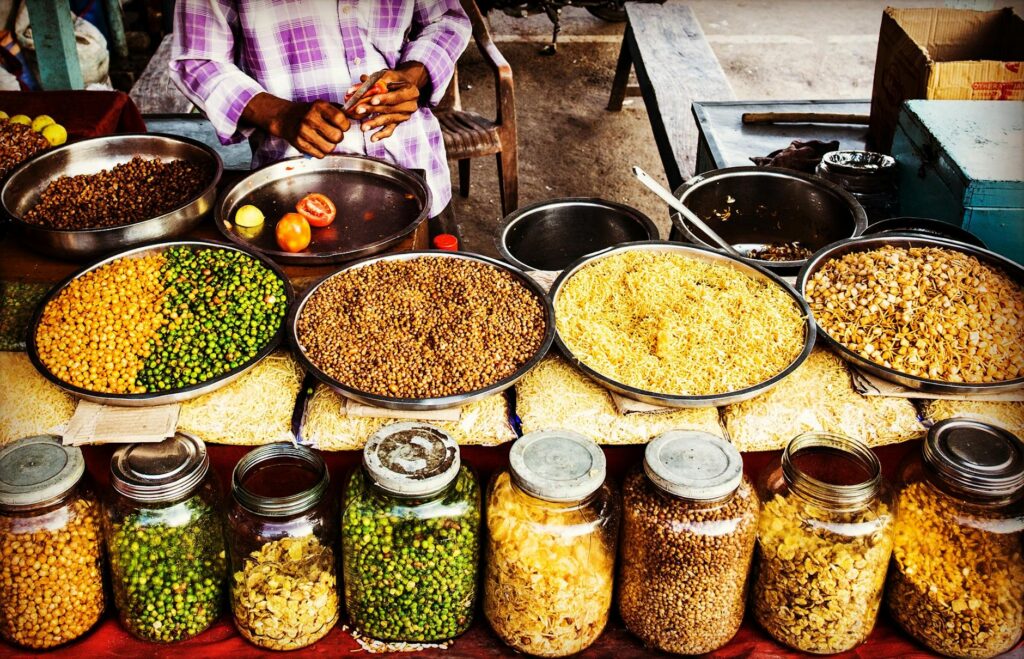
Best Climate for Growing Chickpeas
Introduction
Chickpeas, also known as garbanzo beans, are a staple ingredient in many culinary traditions around the world. They are celebrated not only for their nutritional benefits but also for their versatility in various dishes. However, to cultivate high-quality chickpeas, understanding the optimal climate for growing them is essential. This article delves into the climatic conditions required for successful chickpea cultivation and explores various facets surrounding this legume.
What Is Growing?
Growing refers to the process of cultivating plants for food, fiber, or other products by means of farming and horticulture. In the context of chickpeas, growing involves a series of agricultural practices that include soil preparation, planting, irrigation, pest control, and harvesting. Each stage requires careful attention to environmental factors, particularly climate, which plays a critical role in determining the yield and quality of the crop.
History and Origins
Chickpeas are among the oldest cultivated legumes, with evidence of their consumption dating back to around 7,500 years ago in the Middle East. They were first domesticated in regions that are now part of Turkey and Syria. Over time, chickpeas spread to various parts of the world, adapting to diverse climates and agricultural practices.
Today, chickpeas are primarily grown in countries such as India, Pakistan, Turkey, and various regions of North Africa and the Mediterranean. The adaptability of chickpeas to different growing conditions has contributed to their widespread popularity and cultivation.
Production and Processing
Chickpeas thrive in regions that offer a Mediterranean climate characterized by hot, dry summers and mild, wet winters. The ideal temperature range for growing chickpeas is between 20°C to 30°C (68°F to 86°F). They require well-drained soils with good fertility, typically sandy loam or clay-loam, which allow for adequate root growth while preventing waterlogging.
During the production phase, chickpeas are generally sown between mid-April and early June, depending on local climatic conditions. They are planted at a depth of 5–8 centimeters, spaced adequately to allow for growth. Harvesting typically occurs in late summer or early autumn when the pods turn brown, indicating maturity.
Processing involves drying the harvested chickpeas to reduce moisture content, which helps in preventing spoilage and extending shelf life. The moisture content should ideally be reduced to about 12% for optimal storage.
Quality and Grading
The quality of chickpeas is influenced by various factors, including climatic conditions during the growing season. Grading is essential to ensure that consumers receive high-quality products. Chickpeas are typically graded based on size, color, and the presence of any blemishes or defects.
The two main varieties of chickpeas are desi and kabuli. Desi chickpeas are smaller, darker, and have a rough coat, while kabuli chickpeas are larger, lighter in color, and smooth. Quality parameters may include:
- Size: Larger chickpeas generally command a higher price in the market.
- Color: Uniformity in color is crucial; discolored or blemished chickpeas may be rejected.
- Moisture Content: Lower moisture levels are preferred to prevent spoilage during storage.
Buying Considerations
When purchasing chickpeas, it is essential to consider their origin, quality, and intended use. Look for well-packaged products that display clear grading information. If buying in bulk, inspect for any signs of spoilage, such as a musty odor or visible mold.
Organic chickpeas may also be available, which are grown without synthetic pesticides or fertilizers. Choosing organic options can be beneficial for both health and environmental sustainability.
Another consideration is the type of chickpeas required for specific culinary applications. For instance, kabuli chickpeas are preferable for salads and hummus due to their tender texture, while desi chickpeas are often used in stews and curries.
Uses and Applications
Chickpeas are incredibly versatile and can be utilized in various culinary applications. They can be cooked whole, ground into flour, or processed into products like hummus, falafel, or chickpea pasta. In addition to their culinary uses, chickpeas are also prized for their nutritional profile, offering a good source of protein, fiber, and essential vitamins and minerals.
In agriculture, chickpeas play a vital role in crop rotation due to their nitrogen-fixing ability. This characteristic enriches the soil and enhances the sustainability of farming practices.
Storage and Shelf Life
Proper storage is crucial to maintain the quality of chickpeas. Dried chickpeas should be kept in a cool, dry place, ideally in airtight containers to prevent moisture absorption. Under optimal conditions, dried chickpeas can last for up to 2–3 years.
Cooked chickpeas, on the other hand, should be refrigerated and consumed within a week. For longer storage, cooked chickpeas can be frozen, where they can last for up to six months without significant loss of quality.
Common Misconceptions
One common misconception about chickpeas is that they require excessive amounts of water to grow. In reality, chickpeas are drought-resistant and prefer dry conditions. Overwatering can lead to root rot and other diseases, negatively impacting the crop’s yield.
Another misconception is that chickpeas can only be grown in specific regions. While they thrive in Mediterranean climates, chickpeas can adapt to various environments, including semi-arid regions, provided that temperature and rainfall are managed appropriately.
Frequently Asked Questions
1. What is the ideal temperature range for growing chickpeas?
The ideal temperature range for growing chickpeas is between 20°C to 30°C (68°F to 86°F). They can withstand higher temperatures, but extreme heat can affect yield.
2. How much rainfall do chickpeas need?
Chickpeas require about 300–500 mm of rainfall during their growing season. However, they are drought-resistant and can thrive in dry conditions, making them suitable for arid climates.
3. Can chickpeas be grown in poor soil?
While chickpeas can tolerate less-than-ideal soil conditions, well-drained, fertile soil is recommended for optimal growth. Adding organic matter can improve soil quality.
4. When is the best time to plant chickpeas?
Chickpeas are typically sown between mid-April and early June, depending on local climatic conditions. They should be planted when the soil temperature reaches around 10°C (50°F).
5. How can I tell if chickpeas are fresh?
Fresh chickpeas should be hard and free from any signs of moisture or mold. They should have a firm texture and a uniform color.
6. Are there different varieties of chickpeas, and how do they differ?
Yes, there are primarily two varieties: desi and kabuli. Desi chickpeas are smaller and have a rough coat, while kabuli chickpeas are larger, lighter, and smoother. They differ in taste, texture, and culinary uses.
Conclusion
Understanding the best climate for growing chickpeas is crucial for farmers and agricultural enthusiasts seeking to cultivate this versatile legume. By recognizing the optimal temperature, rainfall, and soil conditions, growers can maximize their yields and produce high-quality chickpeas. As demand for chickpeas continues to rise globally, cultivating them sustainably and effectively will play a significant role in meeting future food needs.