
Best Climate for Growing Dulse
Introduction
Dulse (Palmaria palmata) is a type of red seaweed that has gained popularity for its unique flavor and nutritional benefits. Traditionally harvested from the rocky shores of the North Atlantic, dulse has found its way into modern culinary applications, health food products, and even as a sustainable agricultural alternative. Understanding the best climate for growing dulse is essential for both producers and consumers who wish to appreciate this versatile marine ingredient. This article delves into the ideal environmental conditions for cultivating dulse, its history, production processes, and more.
What Is Growing?
Growing, in the context of dulse, refers to the cultivation and harvesting of this sea vegetable in its natural aquatic habitats. Unlike terrestrial plants, dulse thrives in salty, oceanic environments where sunlight penetrates the water, enabling photosynthesis. The growth process involves several factors, including water temperature, salinity, nutrient availability, and light exposure. Understanding these factors is crucial for successful dulse cultivation.
History and Origins
Dulse has a rich history that stretches back thousands of years. Indigenous peoples of the North Atlantic, particularly in regions such as Ireland, Iceland, and the northeastern United States, have utilized dulse as a food source for centuries. The name “dulse” is derived from the Gaelic word “dulse,” which means “to suck,” reflecting how the seaweed was traditionally consumed.
Historically, dulse was gathered by hand, dried, and used as a source of sustenance during harsh winters. Over time, its popularity spread beyond local communities, becoming a sought-after ingredient in international cuisine. Today, with a growing interest in sustainable food sources and plant-based diets, dulse is experiencing a resurgence in both culinary and nutritional contexts.
Production and Processing
Ideal Growing Conditions
To cultivate dulse effectively, specific environmental conditions must be met:
- Temperature: Dulse thrives in cooler waters, typically between 10°C and 20°C (50°F to 68°F). Temperatures outside this range can negatively affect growth rates and overall quality.
- Salinity: Dulse prefers waters with salinity levels similar to that of seawater, approximately 30-35 parts per thousand (ppt). Water that is too fresh may impede growth, while overly saline conditions can cause stress to the plants.
- Light: Dulse requires adequate sunlight for photosynthesis, making locations with clear, shallow waters ideal. The depth of cultivation should be limited to ensure sufficient light reaches the seaweed, generally not exceeding 10-15 meters.
- Nutrients: While dulse can grow in nutrient-poor environments, an abundance of nitrogen and phosphorus can enhance growth. However, excessive nutrient levels can lead to algal blooms that may compete with dulse for space and resources.
- Wild Harvesting: This traditional method involves gathering dulse from natural populations along rocky shorelines. While sustainable, it can lead to overharvesting if not managed properly.
- Aquaculture: Farming dulse in controlled environments allows for greater yields and reduced ecological impact. Techniques include using ropes or nets suspended in the water column, where dulse can grow without competing with other species. This method also facilitates easier harvesting and processing.
- Appearance: Uniform color and texture are signs of quality. Avoid dulse with brown spots or discoloration, as these may indicate spoilage.
- Moisture Content: Fresh dulse should have a moisture content of around 80%. Too much moisture can lead to spoilage, while too little can affect flavor and texture.
- Flavor Profile: A fresh, clean taste without bitterness is ideal. Older or improperly stored dulse may develop off-flavors.
- Source: Look for dulse sourced from sustainable farms or wild-harvesting operations that follow responsible practices.
- Appearance: Choose dulse that is vibrant in color and free from any signs of spoilage.
- Certifications: Organic or sustainable certifications can provide assurance regarding the farming practices used.
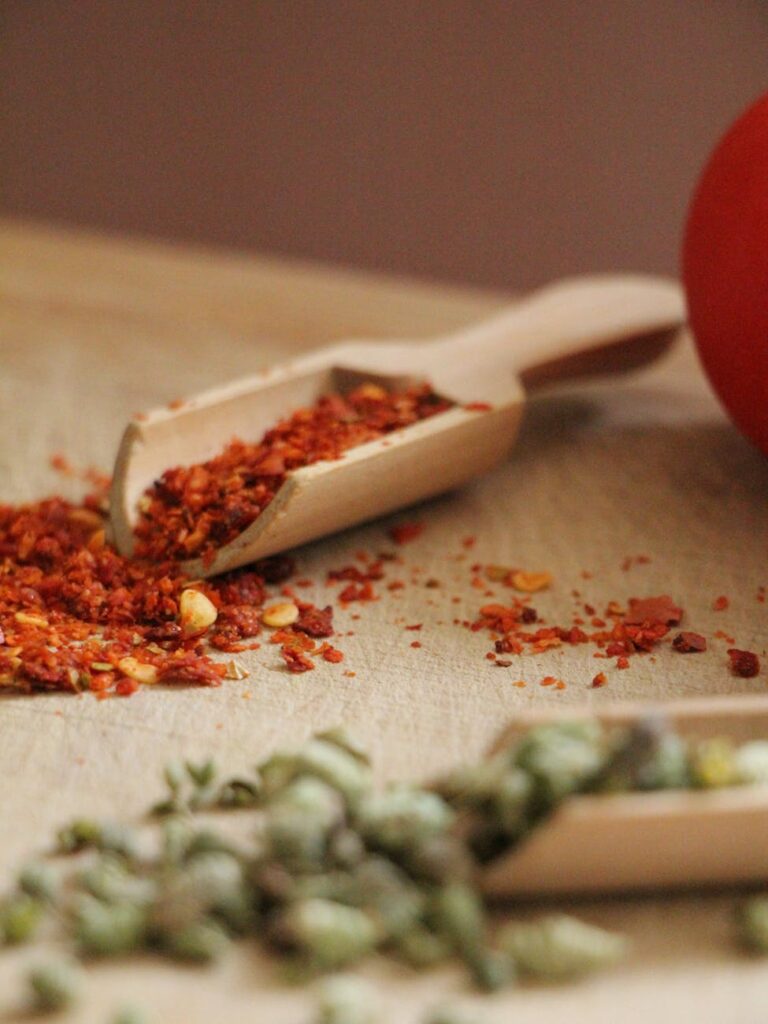
- Form: Dulse is available in various forms, including dried flakes, powders, and whole leaves. The choice of form will depend on intended use.
- Seasoning: Dulse flakes can serve as a natural seasoning for soups, salads, and sauces, imparting a unique umami flavor.
- Snacking: Dulse can be enjoyed as a snack on its own or as part of a mixed snack blend.
- Garnishing: Whole dulse leaves can be used as a garnish for seafood dishes, adding both flavor and visual appeal.
- Culinary Innovation: Chefs worldwide are experimenting with dulse in innovative ways, incorporating it into pasta, bread, and even desserts.
- Dry Dulse: Store dried dulse in an airtight container in a cool, dark place. When kept properly, dried dulse can last up to one year.
- Fresh Dulse: Fresh dulse should be refrigerated and consumed within a few days for optimal flavor
Cultivation Techniques
Dulse can be cultivated through both wild harvesting and aquaculture methods. The latter has gained traction due to its sustainability and ability to meet increasing demand.
Quality and Grading
The quality of dulse is determined by several factors, including color, texture, and flavor. High-quality dulse should have a deep red or purple hue, indicating freshness. The texture should be firm yet tender, and the flavor should be briny and slightly sweet.
Grading often considers the following:
Buying Considerations
When purchasing dulse, consumers should consider several factors to ensure they are getting a high-quality product:
Uses and Applications
Dulse is a versatile ingredient used in various culinary applications:
Storage and Shelf Life
Proper storage is essential to maintaining the quality and flavor of dulse.