
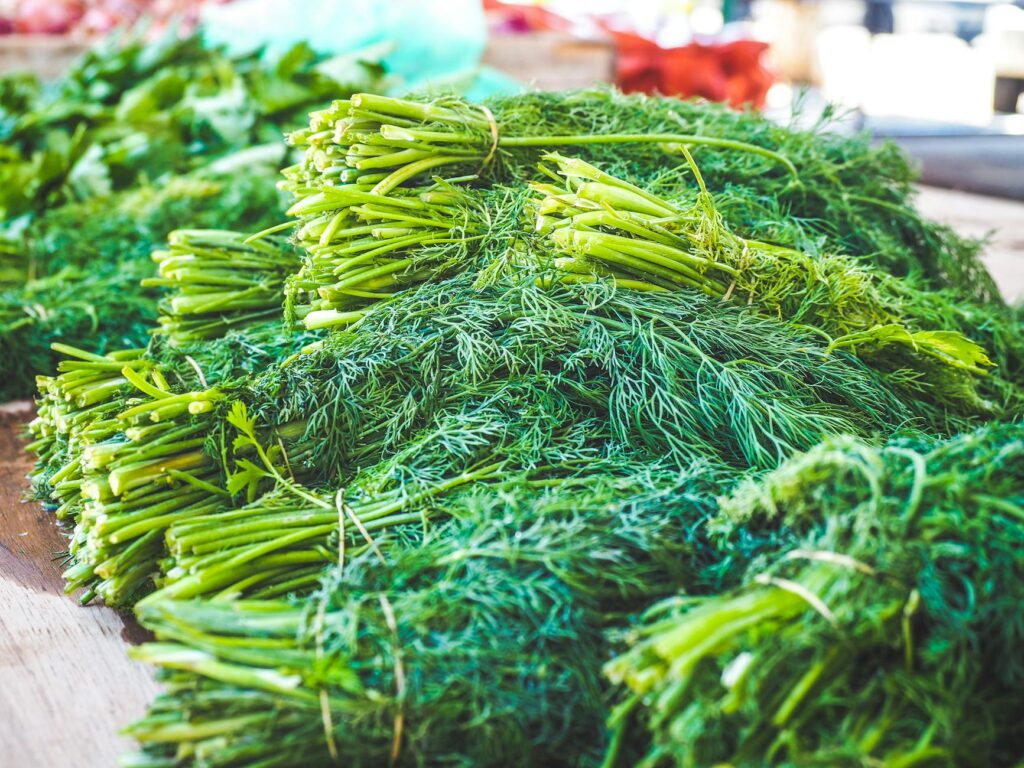
Best Climate for Growing Fennel Fronds
Introduction
Fennel fronds, the feathery green tops of the fennel plant (Foeniculum vulgare), are prized for their aromatic flavor and culinary versatility. From garnishing dishes to infusing oils, these delicate fronds add a distinct anise-like taste that elevates various cuisines. Understanding the ideal climate for growing fennel fronds is crucial for ensuring their optimal growth and flavor profile. This article delves into the various aspects of cultivating fennel fronds, including their historical significance, production methods, and care requirements.
What Is Growing?
Growing refers to the cultivation process of plants, involving the selection of appropriate conditions for their development, including soil management, irrigation, pest control, and harvesting. In the context of fennel fronds, growing involves not only selecting the right climate but also understanding the specific needs of the fennel plant. Fennel is biennial but is commonly grown as an annual herb in gardens and farms.
History and Origins
Fennel has a rich history that dates back thousands of years. Native to the Mediterranean region, fennel was used by ancient civilizations for its culinary and medicinal properties. The Greeks and Romans valued fennel as a food source and as a symbol of strength and courage. Over the centuries, fennel spread across Europe and eventually to other parts of the world, adapting to various climates and becoming a staple in many culinary traditions. The fronds, often overlooked in favor of the bulb, have gained popularity for their flavor and aesthetic appeal in modern gastronomy.
Production and Processing
Ideal Climate Conditions
Fennel thrives in a temperate climate characterized by mild temperatures, preferably between 60°F and 70°F (15°C to 21°C). It is a sun-loving plant that requires full sunlight for at least six to eight hours a day. In regions with hot summers, partial shade during the hottest part of the day can prevent bolting—a condition where the plant flowers prematurely, leading to a bitter taste.
Soil Requirements
Fennel prefers well-drained, sandy loam soil rich in organic matter. The soil pH should ideally range from 6.0 to 7.0, ensuring optimal nutrient availability. Amending the soil with compost or aged manure can enhance fertility and drainage. Adequate moisture is essential, but care must be taken to avoid waterlogging, which can lead to root rot.
Watering Practices
Regular watering is crucial, especially during dry spells. Fennel requires consistent moisture, particularly during germination and early growth stages. Drip irrigation is often recommended to provide a steady supply of water while minimizing leaf wetness and the risk of fungal diseases.
Pest and Disease Management
Fennel is susceptible to a few pests and diseases, including aphids, caterpillars, and fungal infections. Integrated pest management (IPM) practices, such as crop rotation, companion planting, and the use of beneficial insects, can help mitigate these issues. Regular monitoring and early intervention are key to maintaining a healthy crop.
Quality and Grading
The quality of fennel fronds is determined by several factors, including color, aroma, and texture. Fresh fennel fronds should be vibrant green, with a crisp texture and a strong, pleasant aroma. They should be free of browning or wilting, which can indicate age or poor handling. Grading typically assesses these attributes to ensure that only the highest quality fronds reach consumers and culinary professionals.
Buying Considerations
When purchasing fennel fronds, whether from a grocery store or a farmer’s market, consider the following:
- Freshness: Look for fronds that are bright green and perky. Avoid any signs of wilting or browning.
- Organic vs. Conventional: Organic fennel fronds are typically grown without synthetic pesticides or fertilizers, which may appeal to health-conscious consumers.
- Local Sourcing: Support local farmers when possible. Freshly harvested fronds often have superior flavor and aroma compared to those that have traveled long distances.
- Seasonality: Fennel fronds are at their peak in late spring through early summer. Purchasing during this time often ensures better quality.
Uses and Applications
Fennel fronds are highly versatile in culinary applications. They can be used in salads, as a garnish for soups and stews, or blended into sauces and dressings. Their anise-like flavor pairs well with fish, poultry, and roasted vegetables. Beyond the kitchen, fennel fronds can also be infused into oils, vinegars, and even used in cocktails, showcasing their diverse potential.
Storage and Shelf Life
To ensure the longevity of fennel fronds, proper storage techniques are essential. Fresh fronds can be stored in the refrigerator, wrapped in a damp paper towel and placed in a plastic bag. This method helps maintain their moisture and crispness. Properly stored, fennel fronds can last up to a week. For longer shelf life, fennel fronds can be dried or frozen, though this may affect their texture and flavor.
Common Misconceptions
Fennel Fronds Are Just for Garnishing
While fennel fronds are often used as a decorative element, they actually contribute significant flavor to dishes. Many home cooks may overlook their culinary potential, but they can enhance both taste and presentation.
Fennel Fronds Are Toxic
Some people mistakenly believe that fennel fronds are toxic or harmful. In reality, the fronds are safe to consume and can be a delightful addition to a variety of dishes.
Fennel Fronds and Bulbs Are the Same
While fennel fronds and bulbs come from the same plant, they serve different culinary purposes. The bulb has a crunchy texture and a mild flavor, while the fronds provide a more potent anise-like taste.
Frequently Asked Questions
1. When is the best time to plant fennel for optimal frond growth?
Fennel is typically planted in the spring after the last frost or in the fall in milder climates. This timing allows the plant to grow during moderate temperatures.
2. How can I tell if fennel fronds are fresh?
Fresh fennel fronds should be bright green, crisp, and aromatic. Avoid any fronds that appear wilted or have brown edges.
3. Can fennel fronds be grown in containers?
Yes, fennel fronds can be successfully grown in containers. Ensure the container has good drainage and is large enough to accommodate the plant’s root system.
4. What are some common pests that affect fennel fronds?
Aphids, caterpillars, and thrips are common pests that can affect fennel. Regular monitoring and the use of organic pest control methods can help manage these issues.
5. How do I harvest fennel fronds?
To harvest fennel fronds, use clean scissors to snip off the fronds from the top of the plant, taking care not to damage the central stem. Regular harvesting encourages new growth.
6. Can I use fennel fronds after the plant has bolted?
While bolting can produce a bitter flavor, the fronds can still be used in small quantities. However, it is best to harvest before the plant bolts for optimal flavor.
Conclusion
Understanding the best climate for growing fennel fronds is essential for anyone looking to cultivate this aromatic herb. With its rich history, versatile applications, and unique flavor profile, fennel fronds deserve a prominent place in both home gardens and professional kitchens. By paying attention to climate, soil conditions, and care practices, growers can enjoy a bountiful harvest of this delightful ingredient. Whether used for cooking, garnishing, or infusing, fennel fronds offer a culinary experience that is both flavorful and rewarding.