
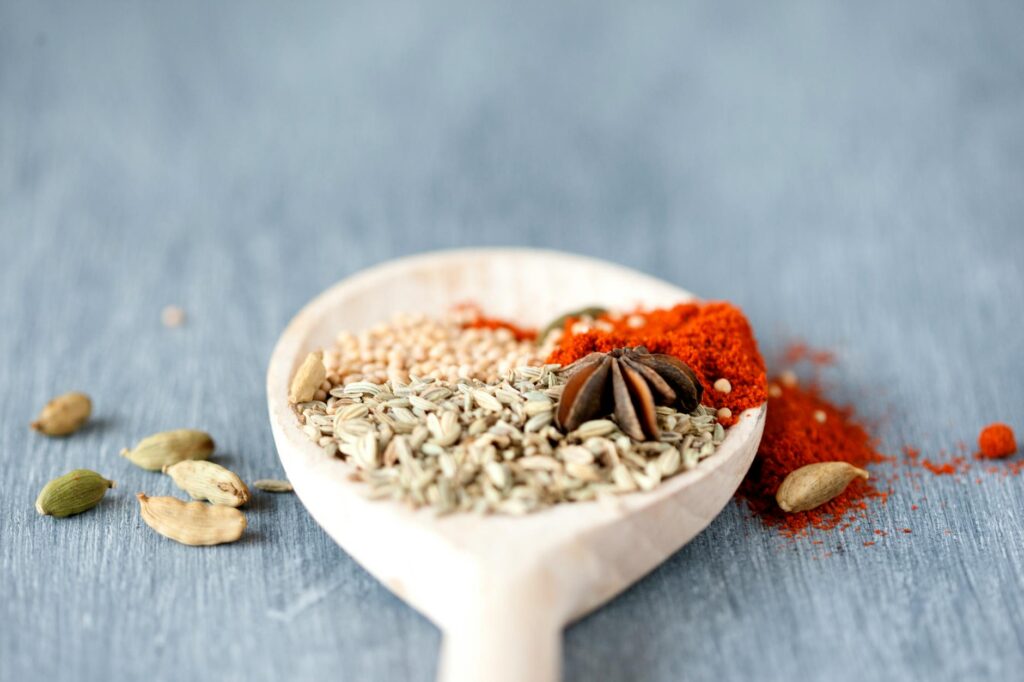
Best Climate for Growing Fennel Seeds
Introduction
Fennel seeds, derived from the flowering plant Foeniculum vulgare, are cherished for their aromatic qualities and culinary versatility. Growing fennel seeds requires an understanding of the plant’s unique needs, particularly concerning climate. This article will explore the best climate conditions for cultivating fennel seeds, along with other essential aspects of production and processing, ensuring a holistic understanding of this fascinating ingredient.
What Is Growing?
Growing refers to the process of cultivating plants, from seed germination to maturity, in an environment conducive to their optimal development. For fennel seeds, this encompasses the right soil type, moisture levels, sunlight exposure, and temperature range. Understanding these factors is crucial for achieving a successful harvest of high-quality seeds.
History and Origins
Fennel has a storied history that dates back thousands of years. Originating in the Mediterranean region, it was utilized by ancient civilizations such as the Egyptians, Greeks, and Romans, not only for its culinary uses but also for its medicinal properties. Fennel was often associated with strength and longevity, a testament to its revered status in various cultures. Today, fennel is cultivated worldwide, with significant production in countries like India, China, and Egypt, reflecting its global appreciation.
Production and Processing
Fennel grows best in well-draining soil with a pH ranging from 6.0 to 7.0. The ideal climate for growing fennel seeds includes temperate conditions with full sun exposure, as the plant thrives in warm temperatures between 68°F to 77°F (20°C to 25°C).
Climate Conditions
1. Temperature: Fennel is a hardy biennial plant that can tolerate a range of temperatures but flourishes in moderate warmth. While it can withstand cooler temperatures down to 20°F (-6°C), prolonged exposure to frost can damage the crop. Ideal growing conditions are found in USDA zones 5-10.
2. Sunlight: Fennel requires full sun to grow optimally. It should receive at least six hours of direct sunlight daily. Insufficient sunlight can lead to elongated growth and reduced seed quality.
3. Moisture and Humidity: Adequate moisture is critical for fennel seed production. The soil should be kept consistently moist but not waterlogged. Humidity levels should be moderate; excessive humidity can encourage fungal diseases, while too little can hinder seed development.
4. Wind and Airflow: Good air circulation is also important, particularly during the flowering stage, as it assists in pollination and reduces disease risks.
Quality and Grading
The quality of fennel seeds is influenced by several factors, including climate, soil conditions, and harvesting techniques. High-quality seeds should exhibit a robust flavor and aroma, vibrant color, and a high germination rate. Grading systems often categorize fennel seeds based on size, color, and oil content. Seeds with a higher essential oil concentration are generally considered superior, as they offer enhanced flavor and aroma.
Buying Considerations
When purchasing fennel seeds, several factors should be taken into account:
1. Source: Look for reputable suppliers who provide details on their cultivation practices and climate conditions. Seeds grown in optimal conditions will yield better flavor profiles.
2. Organic Certification: If possible, choose seeds that are certified organic, as this often indicates higher quality and more sustainable growing practices.
3. Packaging and Freshness: Pay attention to packaging that ensures seed freshness. Seeds that are too old may have diminished flavor and germination rates.
4. Seed Variety: There are various fennel seed varieties, including sweet fennel and bitter fennel. Consider the intended culinary application when selecting a variety.
Uses and Applications
Fennel seeds are celebrated for their culinary applications, often used in spice blends, teas, and as a flavoring agent in various dishes. Beyond culinary uses, fennel seeds are also employed in the production of essential oils, which are utilized in fragrances and aromatherapy. Their distinct flavor profile makes them a popular ingredient in Mediterranean, Indian, and Middle Eastern cuisines.
Storage and Shelf Life
To maintain the quality of fennel seeds, proper storage is essential. Here are some guidelines:
1. Cool, Dark Place: Store fennel seeds in an airtight container in a cool, dark place. Light and heat can degrade their flavor and aroma.
2. Refrigeration: For longer shelf life, consider refrigerating the seeds, particularly in warm climates. This can help preserve their essential oils.
3. Shelf Life: When stored properly, fennel seeds can remain fresh for up to three years. However, for the best flavor, it is recommended to use them within six months to a year.
Common Misconceptions
1. Fennel Seeds vs. Anise Seeds: Many people confuse fennel seeds with anise seeds, as they share similar flavors. However, while both belong to the Apiaceae family, they come from different plants and possess distinct flavor profiles.
2. Growing Only in Warm Climates: While fennel thrives in warm conditions, it can also be successfully grown in cooler climates, provided it is protected from frost.
3. Annual vs. Biennial: Fennel is often thought of as an annual plant, but it is actually a biennial. This means it will flower and produce seeds in its second year of growth.
Frequently Asked Questions
1. Can fennel seeds be grown indoors?
Yes, fennel seeds can be grown indoors in pots, provided they receive adequate sunlight (at least six hours a day) and are planted in well-draining soil.
2. How long does it take for fennel seeds to germinate?
Fennel seeds typically take 7-14 days to germinate under optimal conditions. Soil temperature and moisture levels significantly influence germination rates.
3. What pests are common in fennel cultivation?
Common pests that may affect fennel plants include aphids, caterpillars, and spider mites. Regular monitoring and organic pest control methods can help mitigate these issues.
4. Is fennel a self-pollinating plant?
Fennel is primarily wind-pollinated, but it can also benefit from pollinator activity. Ensuring good airflow in the garden can enhance pollination rates.
5. Can I grow fennel seeds in containers?
Yes, fennel can be grown in containers, but ensure the pot is large enough to accommodate the plant’s root system, ideally at least 12-14 inches deep.
6. What is the best time to plant fennel seeds?
Fennel seeds are best planted in early spring or fall, depending on the local climate. In warmer regions, fall planting can yield a more flavorful crop.
Conclusion
Successfully growing fennel seeds requires a nuanced understanding of the optimal climate conditions, from temperature and sunlight to moisture and soil quality. By providing the right environment, you can cultivate fennel that is not only flavorful but also rich in essential oils, contributing to a wide range of culinary applications. Whether you are a home gardener or a commercial producer, embracing these principles will lead to a fruitful harvest and enhance your appreciation for this ancient and versatile ingredient.