
Best Climate for Growing Fennel
Introduction
Fennel (Foeniculum vulgare) is a versatile and aromatic herb known for its feathery leaves, bulbous base, and distinct licorice flavor. It has been cultivated for centuries, appreciated not only for its culinary applications but also for its ornamental qualities. Understanding the best climate for growing fennel is crucial for ensuring optimum growth, flavor, and yield. This article delves into the climate requirements, history, production methods, and more, providing a comprehensive guide to cultivating fennel successfully.
What Is Growing?
Growing refers to the cultivation of plants for various purposes, which can include food, ornamentation, or medicinal uses. In the context of fennel, growing encompasses the selection of the right climate, soil, and care practices to encourage healthy plant development. Fennel is a biennial plant, often grown as an annual, that thrives in conditions that allow it to flourish and produce high-quality bulbs and foliage.
History and Origins
Fennel has a rich history that spans thousands of years, originating in the Mediterranean region. Ancient Greeks and Romans prized fennel for its culinary uses and medicinal properties. It has been referenced in various historical texts, including those of Hippocrates and Pliny the Elder. As trade routes expanded, fennel made its way to different parts of the world, adapting to various climates and growing conditions. Today, it is cultivated globally, with significant production in countries such as India, China, and Italy.
Production and Processing
Climate Requirements
Fennel thrives in temperate climates, preferring a moderate temperature range. Ideally, the temperature should be between 60°F to 75°F (15°C to 24°C) for optimal growth. Fennel is sensitive to frost, which can damage the plant, especially the bulbs. In regions with harsh winters, it is advisable to start fennel indoors or in greenhouses to ensure a head start before transplanting.
Soil Conditions
Fennel prefers well-drained, sandy loam soils rich in organic matter. The pH level of the soil should range from 6.0 to 7.0. Heavy clay soils can retain too much moisture, leading to root rot, while overly sandy soils may not hold sufficient nutrients. Adequate drainage and a balanced nutrient profile are crucial for healthy growth.
Watering Needs
Fennel requires consistent watering, particularly during dry periods. However, overwatering should be avoided as it can lead to fungal diseases. A deep watering approach is recommended, allowing the soil to dry slightly between watering sessions. Mulching can help retain soil moisture and suppress weeds.
Sunlight Requirements
Fennel thrives in full sun, requiring at least 6-8 hours of direct sunlight daily. Insufficient sunlight can lead to leggy growth and reduced flavor in the bulbs. In regions with extreme heat, providing some afternoon shade can help protect the plants from heat stress.
Quality and Grading
The quality of fennel is determined by several factors, including bulb size, shape, color, and flavor. High-quality fennel bulbs should be firm, have a bright white or pale green color, and be free from blemishes or soft spots. The flavor should be aromatic and sweet, indicative of healthy growth conditions. Grading fennel typically involves assessing these characteristics to ensure only the best-quality produce reaches consumers.
Buying Considerations
When purchasing fennel seeds or seedlings, consider the following aspects:
- Variety: Different fennel varieties are available, including Florence fennel (cultivated for its bulb) and herb fennel (grown for its leaves and seeds). Choose a variety that aligns with your culinary or ornamental goals.
- Source: Opt for certified organic seeds or seedlings from reputable suppliers to ensure quality and disease resistance.
- Local Adaptation: If possible, select varieties well-suited to your local climate and growing conditions.
- Fennel is a spice: While fennel seeds are indeed used as a spice, fennel itself is primarily a vegetable and herb.
- Fennel is only for Mediterranean cuisine: Fennel’s unique flavor profile allows for incorporation into various global cuisines, from Asian stir-fries to Indian curries.
- Fennel is difficult to grow: Although fennel has specific climate and care requirements, it can be grown successfully with proper attention to its needs.
Uses and Applications
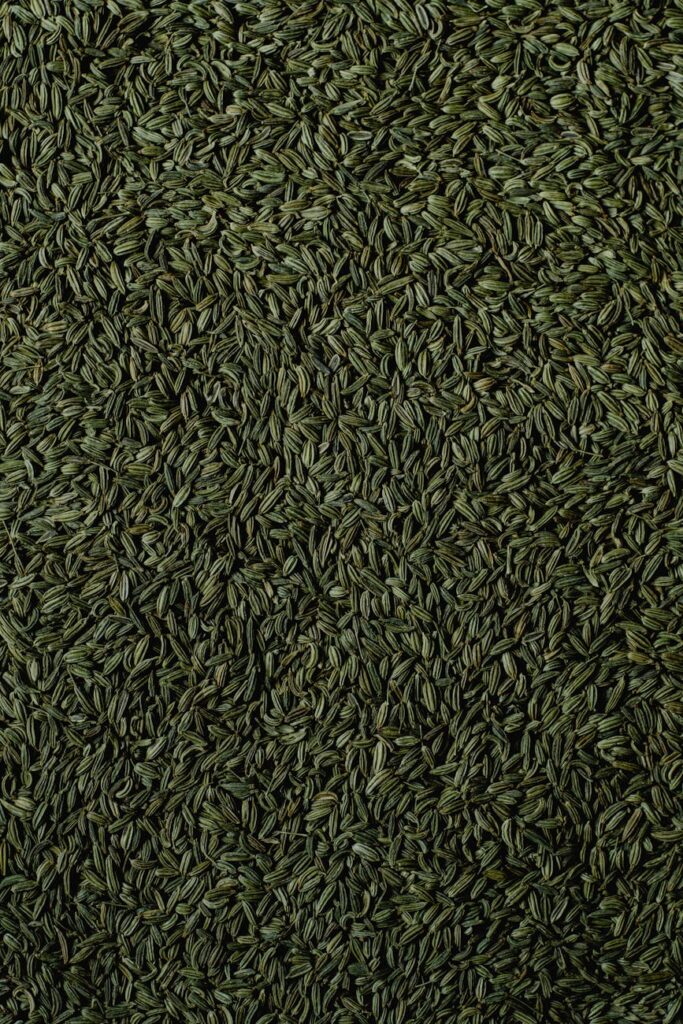
Fennel is celebrated for its culinary versatility. The bulb can be sliced and used in salads, roasted, or braised, while the fronds can serve as an herb for garnishing or flavoring. Fennel seeds are commonly used as a spice, lending a sweet, anise-like flavor to dishes, teas, and baked goods. Beyond the kitchen, fennel is also utilized in herbal teas and natural remedies, though specifics should be approached cautiously and without medical claims.
Storage and Shelf Life
Fennel should be stored in a cool, dry place to maintain its freshness. If kept in the refrigerator, it can last up to a week. To store fennel bulbs, wrap them in a damp paper towel and place them in a plastic bag to retain moisture. Fennel fronds can be stored similarly but should be used within a few days for optimal flavor. Fennel seeds should be stored in an airtight container away from light and heat, preserving their potency for several months.
Common Misconceptions
Frequently Asked Questions
1. What is the ideal time to plant fennel?
Fennel is best planted in the spring after the last frost, or in late summer for a fall harvest.
2. Can fennel be grown in containers?
Yes, fennel can be successfully grown in containers as long as they are deep enough to accommodate the roots and provide adequate drainage.
3. How long does it take for fennel to mature?
Fennel typically takes about 90 to 120 days to reach maturity, depending on the variety and growing conditions.
4. Is fennel a perennial or annual plant?
Fennel is a biennial plant, but it is usually grown as an annual for bulb production.
5. Can fennel tolerate drought conditions?
Fennel prefers consistent moisture and may suffer in prolonged drought. While it can withstand some dry periods, regular watering is essential for optimal growth.
6. What pests or diseases should I watch for when growing fennel?
Common pests include aphids and caterpillars, while diseases such as root rot can occur in overly wet conditions. Regular monitoring and good cultural practices can help mitigate these issues.
In conclusion, understanding the best climate for growing fennel involves considering various factors, including temperature, soil type, sunlight, and water requirements. By adhering to these guidelines and addressing common concerns, growers can enjoy a bountiful harvest of this flavorful and versatile ingredient.