
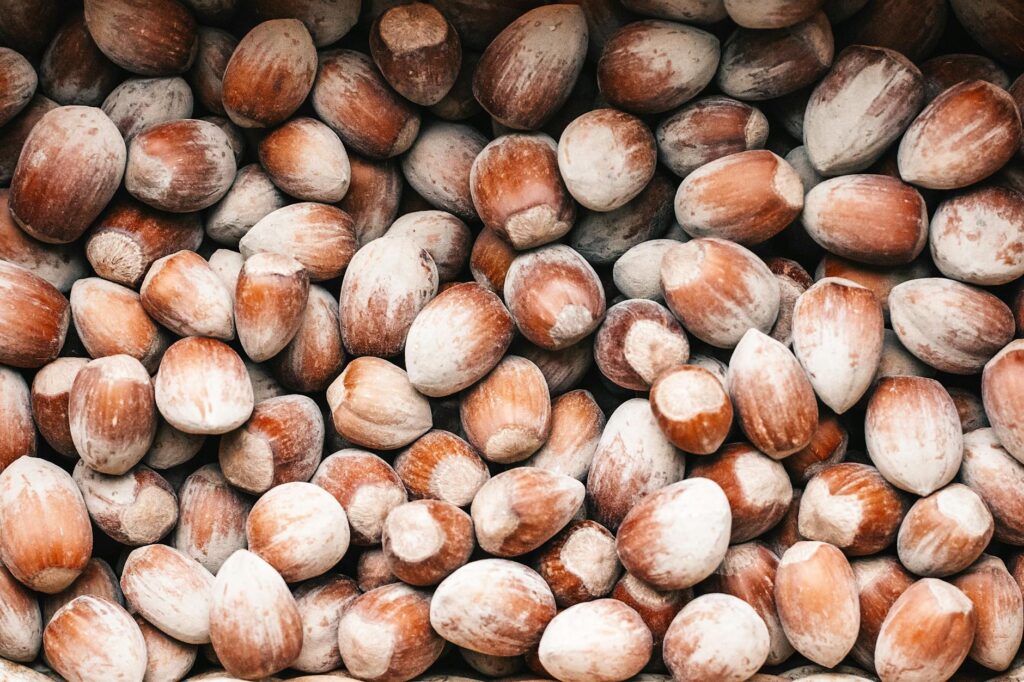
Best Climate for Growing Hazelnuts
Introduction
Hazelnuts, prized for their rich flavor and versatility, are a key ingredient in various culinary applications, from confections to savory dishes. However, the cultivation of hazelnuts is intricately tied to specific climatic conditions. Understanding the best climate for growing these nuts is essential for farmers, producers, and culinary enthusiasts alike. This article delves into the optimal conditions for hazelnut cultivation, exploring everything from historical roots to modern production practices.
What Is Growing?
Growing refers to the process of nurturing plants from seed or seedling to maturity, encompassing various stages such as planting, cultivating, and harvesting. In the context of hazelnuts, growing involves understanding the environmental factors that influence the health and yield of the nut-bearing trees. This includes soil quality, temperature, precipitation, and sunlight—all critical components in ensuring a successful harvest.
History and Origins
The cultivation of hazelnuts dates back thousands of years, with evidence suggesting that they were first domesticated in the Mediterranean region. Archaeological findings indicate that ancient civilizations, such as the Greeks and Romans, valued hazelnuts for their nutritional properties and flavor. Over time, the cultivation of hazelnuts spread across Europe and into Asia, where various species adapted to local climates. Today, Turkey remains the largest producer, responsible for around 70% of the global hazelnut supply.
Production and Processing
Hazelnuts thrive in temperate climates characterized by distinct seasons, particularly a well-defined winter chill and a warm summer. The preferred climate includes:
- Temperature: Hazelnuts require a chilling period during winter, ideally between 40°F and 50°F (4°C to 10°C). They are best suited to regions where temperatures do not typically drop below 0°F (-18°C) during winter. In summer, temperatures should ideally range between 70°F and 85°F (21°C to 29°C), allowing for proper nut development.
- Precipitation: Hazelnuts need a moderate amount of rainfall, averaging around 30 to 40 inches (76 to 102 cm) annually. However, they are sensitive to excessive moisture, particularly during the flowering and nut-filling stages. Well-drained soils are essential to mitigate risks of waterlogging.
- Sunlight: Full sun exposure is crucial for hazelnut trees, which require at least six hours of direct sunlight daily. Insufficient sunlight can lead to poor growth and reduced nut production.
- Size: Larger nuts are generally more desirable and command higher prices. They are classified into various sizes, often denoted by a numeric scale.
- Shell Integrity: Nuts with intact shells are preferred, as damaged shells can lead to spoilage and reduced shelf life.
- Flavor and Aroma: The characteristic flavor of hazelnuts is influenced by the growing conditions, including soil type and climate. Nuts that are harvested at the right time and stored properly exhibit superior taste.
- Source: Knowing the origin of the hazelnuts can provide insights into their quality. Nuts sourced from regions with favorable climates are likely to be of higher quality.
- Certifications: Look for certifications that indicate sustainable farming practices, such as organic or non-GMO labels. These can also signify higher quality and better environmental practices.
- Packaging: Clear packaging that allows for visual inspection is ideal. Check for signs of damage or spoilage, and ensure that the nuts are stored in airtight containers to maintain freshness.
- Variety: Different cultivars of hazelnuts may offer varied flavors and textures. Researching the specific variety can help in selecting nuts that best suit your culinary needs.
- Confectionery: Hazelnuts are often used in chocolates, pralines, and spreads like Nutella, where their rich flavor complements sweet profiles.
- Savory Dishes: Ground hazelnuts can be used to add texture and flavor to salads, crusts for meats, or sauces.
- Baking: Ground hazelnuts are commonly incorporated into baked goods, providing moisture and a nutty flavor that pairs well with other ingredients.
- Oil Production: Hazelnut oil, known for its light flavor and high smoke point, is increasingly popular in salad dressings and cooking.
- Cool, Dark Place: Hazelnuts should be stored in a cool, dark location, away from direct sunlight. An airtight container can help prevent exposure to air and moisture.
- Refrigeration: For extended shelf life, particularly in warm climates, refrigeration is advisable. Hazelnuts can typically last up to a year in the fridge without significant loss of quality.
- Freezing: For long-term storage, hazelnuts can be frozen. When stored in an airtight container, they can retain their flavor and texture for up to two years.
- All Hazelnuts Are the Same: There are numerous cultivars of hazelnuts, each with distinct flavors and textures. Understanding these differences can enhance culinary applications.
- Hazelnuts Are Only Grown in Specific Regions: While Turkey is the leading producer, hazelnuts can be cultivated in various temperate regions worldwide, including parts of North America and Europe.
- Freshness Is Easy to Determine: While visual inspection can help, hazelnuts can often appear fine while being stale. Smelling them can be a more effective way to assess freshness.
The production process begins with the careful selection of cultivars suited for the local climate. Once planted, hazelnut trees generally take four to five years to bear fruit. During this period, farmers engage in practices such as pruning and pest management to optimize yield.
Quality and Grading
The quality of hazelnuts is determined by several factors, including size, shell integrity, and flavor. Grading standards are essential for both producers and consumers, ensuring that only the highest quality nuts reach the market. Hazelnuts are typically graded based on:
Buying Considerations
When purchasing hazelnuts, several factors should be taken into account to ensure quality and freshness:
Uses and Applications
Hazelnuts find their way into a myriad of culinary applications, showcasing their versatility:
Storage and Shelf Life
Proper storage is essential for maintaining the quality of hazelnuts. When stored correctly, they can last for several months:
Common Misconceptions
Despite their popularity, several misconceptions surround hazelnuts:
Frequently Asked Questions
1. What is the ideal soil type for growing hazelnuts?
Hazelnuts prefer well-drained, loamy soils with a pH between 6.0 and 7.0. Soils that retain moisture but do not become waterlogged are ideal for optimal growth.
2. How long does it take for hazelnut trees to bear fruit?
Hazelnut trees typically begin to produce nuts four to five years after planting, depending on the cultivar and growing conditions.
3. Do hazelnuts require cross-pollination?
Yes, hazelnuts benefit from cross-pollination to increase yield. Planting multiple cultivars in proximity can enhance nut production.
4. Can hazelnuts be grown in warmer climates?
While hazelnuts thrive in temperate climates, certain cultivars may adapt to warmer regions, provided they receive sufficient chilling hours during winter.
5. What pests and diseases affect hazelnut trees?
Common pests include aphids and hazelnut weevils, while diseases such as Eastern filbert blight can pose significant threats. Integrated pest management practices are crucial for maintaining tree health.
6. Are there any specific harvesting techniques for hazelnuts?
Hazelnuts are typically harvested when they fall naturally from the trees. Mechanical harvesters are also used in larger orchards to streamline the process.
Conclusion
Growing hazelnuts is a nuanced endeavor, requiring an understanding of specific climatic conditions and cultivation practices. As demand for these flavorful nuts continues to rise, recognizing the best environments for their growth becomes increasingly important. Whether for personal consumption or commercial production, awareness of the factors that influence hazelnut quality can lead to better culinary outcomes and sustainable farming practices. By appreciating the intricacies of hazelnut cultivation, we can enhance our culinary experiences and support agricultural diversity.