
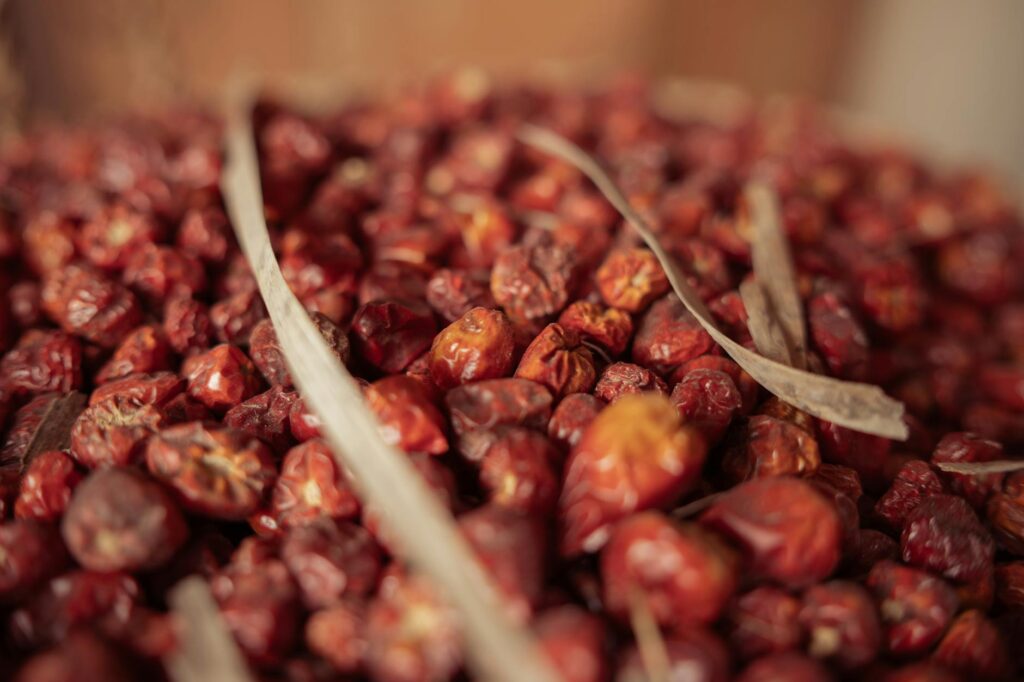
Best Climate for Growing Jujube
Introduction
Jujube, scientifically known as Ziziphus jujuba, is a fruit-bearing tree native to Asia, renowned for its sweet, chewy fruits and resilience in diverse climates. As global interest in this versatile ingredient grows, understanding the optimal conditions for cultivating jujube becomes increasingly important. This article delves into the best climate for growing jujube, exploring its history, production, quality grading, and more.
What Is Growing?
In the context of agriculture, “growing” refers to the cultivation of plants to produce crops. This process encompasses various stages, including seed germination, plant development, fruiting, and harvesting. For jujube, the growing process is particularly significant, as it influences the tree’s overall health, fruit yield, and quality.
Growing jujube requires an understanding of its specific climatic needs, soil requirements, and care practices to ensure successful cultivation and a bountiful harvest.
History and Origins
The jujube tree has a rich history that dates back thousands of years. Originating in China, it has been cultivated for over 4,000 years. The fruit was traditionally valued for its nutritional benefits and adaptability to various climates, leading to its spread across Asia and eventually to the Mediterranean and the Americas.
As a significant part of traditional Chinese medicine and culinary practices, jujube has earned its place in global agricultural systems. The tree’s hardiness and ability to thrive in arid conditions make it particularly attractive for regions with limited water resources.
Production and Processing
The production of jujube involves several key factors, primarily influenced by the climate in which it is grown. Jujube trees flourish in warm, temperate regions with a distinct seasonal cycle. They require a period of dormancy during winter, followed by a warm growing season to produce fruit.
Climate Requirements:
1. Temperature: Jujube trees prefer temperatures between 70°F and 100°F (21°C to 38°C) during the growing season. They can withstand temperatures as low as -20°F (-29°C) during dormancy, making them suitable for various climates, including USDA zones 6-10.
2. Sunlight: Full sun exposure is crucial for optimal fruit development. Jujube trees require at least 6-8 hours of direct sunlight daily.
3. Rainfall: While jujube trees are drought-resistant, they benefit from consistent moisture during the growing season. Ideally, they should receive 20-30 inches of rainfall annually, with irrigation provided in drier periods.
4. Soil Conditions: Well-draining soil is essential. Jujube trees thrive in sandy loam or clay loam with a pH ranging from 6.0 to 8.0. Avoiding heavy clay or waterlogged soils is critical, as these conditions can lead to root rot.
Quality and Grading
The quality of jujube fruit is determined by several factors, including size, color, and sugar content. High-quality jujube should be firm, free of blemishes, and exhibit a rich, reddish-brown hue. Grading is typically categorized as follows:
1. Grade A: Large, plump fruits with high sugar content and no visible defects.
2. Grade B: Medium-sized fruits that may have slight blemishes but are still suitable for consumption.
3. Grade C: Smaller fruits or those with more significant defects, often used for processing rather than fresh consumption.
Understanding these grading standards is essential for buyers and producers alike, ensuring that only the best quality fruits reach consumers.
Buying Considerations
When purchasing jujube trees or fruits, several considerations come into play:
1. Variety: There are numerous jujube varieties, each with unique characteristics. Some popular types include ‘Li,’ ‘Lang,’ and ‘Sugarcane.’ Researching the best variety for your climate and intended use is essential.
2. Source: Ensure that you buy from reputable nurseries or growers who specialize in jujube cultivation. This guarantees healthy plants that are more likely to thrive.
3. Freshness: For fruits, look for those that are firm and unblemished. Fresh jujube should have a sweet aroma and rich color.
4. Organic Practices: If sustainability is important to you, consider purchasing organic jujube, which is grown without synthetic pesticides or fertilizers.
Uses and Applications
Jujube fruits are incredibly versatile and can be utilized in various culinary applications. They can be consumed fresh, dried, or processed into jams, jellies, and beverages. In traditional medicine, they are often used for their calming properties and as a natural sweetener.
Beyond culinary uses, jujube wood is also valued for its durability and is often utilized in furniture making and crafts.
Storage and Shelf Life
The storage and shelf life of jujube depend on its form:
1. Fresh Jujube: These can be stored in the refrigerator for up to one month. To maintain freshness, keep them in a breathable container.
2. Dried Jujube: Dried fruit can last for several months when stored in a cool, dark place in an airtight container. For extended shelf life, refrigeration or freezing is advisable.
3. Processed Products: Jujube products such as jams and jellies will typically have a shelf life of 1-2 years when sealed properly.
Common Misconceptions
Several misconceptions surround the jujube tree and its cultivation:
1. Drought Resistance Equals No Water: While jujube trees can tolerate dry conditions, they still require adequate moisture during the growing season to produce quality fruit.
2. Jujube Trees Are Only for Warm Climates: Although they thrive in warm regions, jujube trees can also adapt to cooler