
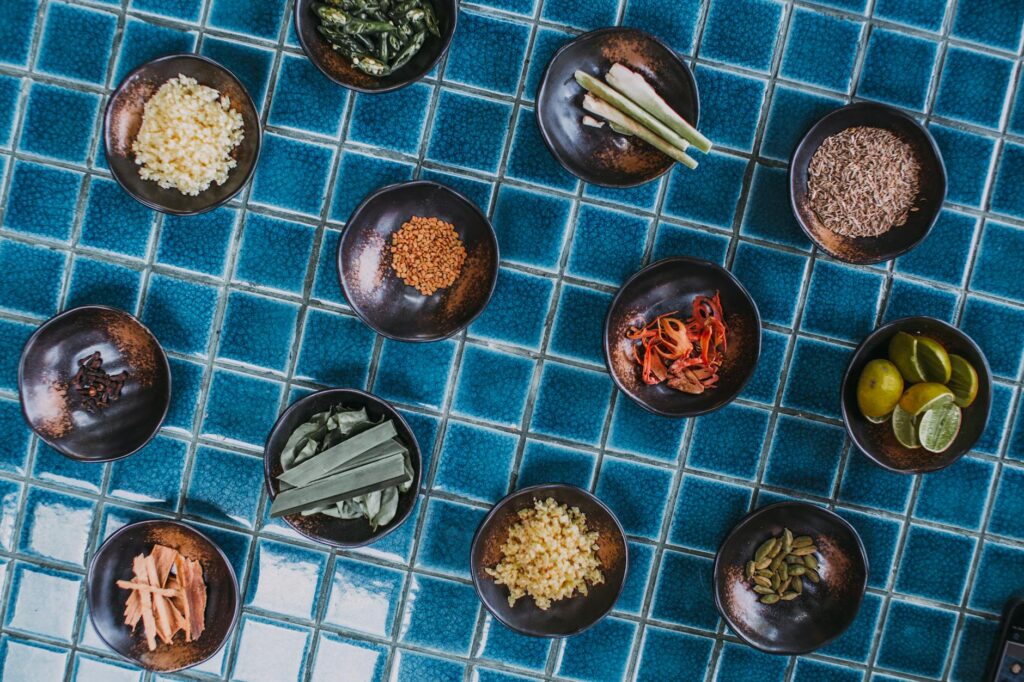
Best Climate for Growing Lemongrass
Introduction
Lemongrass, known scientifically as Cymbopogon citratus, is a tropical plant revered for its aromatic stalks and culinary versatility. While its culinary applications are well-known, the cultivation of lemongrass is equally fascinating, particularly when considering the optimal climate conditions that contribute to its growth. Understanding the ideal environment for this resilient herb can empower growers to harness its full potential, whether for personal use or commercial production.
What Is Growing?
“Growing” refers to the process of cultivating plants in a controlled or natural environment. For lemongrass, this involves understanding its biological needs, including soil composition, water requirements, light exposure, and temperature preferences. Successful growth hinges on replicating these natural conditions to promote healthy development and yield.
History and Origins
Lemongrass has a rich history, primarily rooted in tropical regions of Asia, particularly in countries like India, Thailand, and Vietnam. It has been used for centuries not only as a culinary ingredient but also for its aromatic properties in traditional medicine and perfumery. The plant thrives in warm climates and has adapted to various environmental conditions, leading to its widespread cultivation across many tropical and subtropical regions worldwide.
Historically, lemongrass has been integral to various cuisines, with its flavor profile enhancing dishes and beverages. Its journey from the wild to domestication has allowed it to become a staple in many households, and its increasing popularity has driven demand in global markets.
Production and Processing
Lemongrass is typically propagated through division, where mature clumps are split into smaller sections, each with roots and shoots. This method is favored because lemongrass does not produce seeds reliably. The growing season for lemongrass generally spans from spring to late autumn, depending on the climate.
In terms of production, lemongrass requires well-drained soil rich in organic matter. It is usually grown in rows with sufficient spacing to allow for air circulation. Once harvested, the stalks are cleaned, trimmed, and can be processed into essential oils or dried for culinary use. The post-harvest handling of lemongrass is crucial as it affects the flavor and aroma, with fresh stalks retaining their properties longer than dried ones.
Quality and Grading
The quality of lemongrass is determined by several factors, including freshness, aroma, and appearance. Fresh lemongrass should have a vibrant green color, firm stalks, and a strong citrus scent. Grading typically involves assessing these qualities, with higher-grade lemongrass being more aromatic and visually appealing.
Factors influencing quality include the growing conditions, harvesting methods, and the time elapsed between harvest and sale. Premium lemongrass fetches higher prices in the market, making quality assurance critical for producers aiming for commercial success.
Buying Considerations
When purchasing lemongrass, whether fresh or dried, several considerations should guide your selection:
1. Freshness: Look for firm, green stalks with minimal browning or wilting.
2. Aroma: A strong citrus scent is a good indicator of freshness and quality.
3. Source: Consider buying from reputable growers or markets that prioritize organic practices.
4. Storage Conditions: Ensure the vendor maintains proper refrigeration for fresh stalks to preserve their quality.
For dried lemongrass, check for packaging that prevents moisture exposure, as this can affect flavor and shelf life.
Uses and Applications
Lemongrass is highly versatile, finding applications in various culinary traditions around the world. Common uses include:
- Culinary: Lemongrass adds a fresh, citrusy flavor to soups, stews, teas, and marinades. It is a staple in Southeast Asian cuisines, particularly Thai and Vietnamese dishes.
- Aromatherapy: The essential oil extracted from lemongrass is popular in aromatherapy for its invigorating scent.
- Cosmetics: Lemongrass oil is often used in soaps, perfumes, and skincare products for its fragrance and potential antimicrobial properties.
- Herbal Teas: Dried lemongrass is commonly brewed into herbal teas for its refreshing flavor.
Storage and Shelf Life
Proper storage of lemongrass is essential to retain its flavor and aroma. Fresh lemongrass can be stored in the refrigerator, wrapped in a damp paper towel and placed in a plastic bag, where it can last for up to two weeks. For longer storage, lemongrass can be frozen or dried.
Dried lemongrass should be kept in an airtight container in a cool, dark place. When stored properly, dried lemongrass can maintain its potency for several months, although its flavor may diminish over time.
Common Misconceptions
1. Lemongrass is a Type of Grass: While it belongs to the grass family, lemongrass is often mistaken solely as a decorative grass. Its culinary and aromatic properties are what set it apart.
2. All Lemongrass is the Same: There are multiple species and varieties of lemongrass, each with distinct flavors and uses. Understanding these differences can enhance culinary applications.
3. Lemongrass is Difficult to Grow: With the right conditions, lemongrass is relatively easy to grow, making it a suitable choice for both novice and experienced gardeners.
Frequently Asked Questions
1. What type of soil is best for growing lemongrass?
Lemongrass thrives in well-drained, loamy soil enriched with organic matter. The soil should have a pH level between 6.0 and 7.0 for optimal growth.
2. How much sunlight does lemongrass need?
Lemongrass requires full sun, ideally 6-8 hours of direct sunlight each day. Insufficient light can lead to stunted growth and reduced flavor.
3. Can lemongrass be grown indoors?
Yes, lemongrass can be grown indoors, provided it receives adequate sunlight or is supplemented with grow lights. Indoor growing may require larger pots to accommodate root growth.
4. How often should lemongrass be watered?
Lemongrass prefers consistently moist soil but should not be waterlogged. Watering should be done regularly, especially during hot, dry periods.
5. What pests are common with lemongrass?
Common pests include aphids, spider mites, and whiteflies. Regular monitoring and organic pest control methods can help manage these issues.
6. How can I propagate lemongrass?
Lemongrass can be propagated through division of established clumps. Each division should contain roots and shoots and can be planted in nutrient-rich soil.
Conclusion
Understanding the best climate for growing lemongrass is crucial for anyone interested in cultivating this versatile herb. With its tropical origins, lemongrass flourishes in warm, humid conditions, making it ideal for growth in tropical and subtropical climates. By adhering to proper cultivation practices, growers can enjoy a bountiful harvest of this beloved culinary ingredient, enriching both their kitchens and culinary experiences. Whether for personal use or commercial production, the journey of growing lemongrass is as rewarding as its aromatic contributions to food and wellness.