
Best Climate for Growing Mango
Introduction
Mango (Mangifera indica), often referred to as the “king of fruits,” is cherished not only for its sweet, juicy flavor but also for its versatility in culinary applications. To cultivate this tropical delight successfully, understanding the best climate for mango growth is crucial. This article will delve into the specific environmental conditions that favor the growth of mango trees, exploring their historical origins, production methods, quality grading, and more.
What Is Growing?
Growing refers to the process of cultivating plants by providing them with the necessary conditions for development. In the case of mangoes, this includes understanding their climatic needs, soil requirements, and overall care to ensure that the trees thrive and produce high-quality fruit. The growth cycle of a mango tree involves germination, vegetative growth, flowering, and fruiting, each of which is influenced by environmental factors.
History and Origins
Mangoes are believed to have originated in South Asia, with evidence of their cultivation dating back over 4,000 years. They have deep cultural and religious significance in various Asian countries, symbolizing love and prosperity. From South Asia, mangoes spread to tropical and subtropical regions around the world, including Africa, the Americas, and Australia. Today, India remains the largest producer of mangoes, accounting for a significant portion of global production, followed by countries like China, Thailand, and Mexico.
Production and Processing
Mango production is primarily concentrated in tropical and subtropical regions, where the climatic conditions are optimal for growth. The ideal temperature for mango trees ranges from 24°C to 30°C (75°F to 86°F), with the trees requiring a dry season for flowering and fruit set.
Climate Requirements
1. Temperature: Mango trees thrive in warm conditions. They can withstand temperatures as low as 5°C (41°F), but prolonged exposure to such temperatures can damage the tree and affect fruit quality. Ideal temperatures for optimal growth are between 24°C and 30°C (75°F to 86°F).
2. Rainfall: While mango trees require adequate water, they are sensitive to excessive moisture. An annual rainfall of about 750 mm to 1,500 mm (30 to 60 inches) is generally sufficient, with a dry period critical for the flowering phase.
3. Humidity: Moderate humidity levels are favorable for mango trees. High humidity can lead to fungal diseases, while low humidity can hinder fruit development.
4. Soil: Well-drained, sandy loam soils with a pH of 5.5 to 7.5 are ideal for growing mangoes. Poorly drained soils can lead to root rot and other diseases.
Cultivation Practices
To optimize growth, mango trees should be planted in full sunlight, ideally with a spacing of 10 to 15 meters (33 to 49 feet) apart to allow for proper air circulation. Regular pruning can help maintain tree health and enhance fruit quality. Fertilization, particularly with potassium and nitrogen, is essential during the growth phase to support healthy development.
Quality and Grading
The quality of mangoes is assessed based on several factors, including size, color, firmness, and sugar content. Grading standards can vary by region, but generally, mangoes are categorized into different grades based on their appearance and ripeness.
1. Grade A: Fruits that are uniform in size, shape, and color, with no blemishes or defects.
2. Grade B: Fruits that may have minor imperfections but are still suitable for consumption.
3. Grade C: Fruits that exhibit significant defects and may be used for processing rather than fresh consumption.
Understanding these grading systems is essential for producers and consumers alike, ensuring that only the best quality mangoes reach the market.
Buying Considerations
When purchasing mangoes, consider the following factors to ensure optimal quality:
1. Seasonality: Mangoes are typically in season from late spring to early summer, depending on the variety and region. Buying during peak season guarantees the best quality and flavor.
2. Ripeness: Look for mangoes that yield slightly to gentle pressure. The skin color should reflect the variety; some turn yellow or red when ripe, while others remain green.
3. Origin: Choose mangoes from reputable sources. Knowing where your mangoes come from can provide insight into their quality and freshness.
4. Variety: Different mango varieties offer distinct flavors and textures. Familiarize yourself with popular types like Alphonso, Haden, and Tommy Atkins to select one that suits your palate.
Uses and Applications
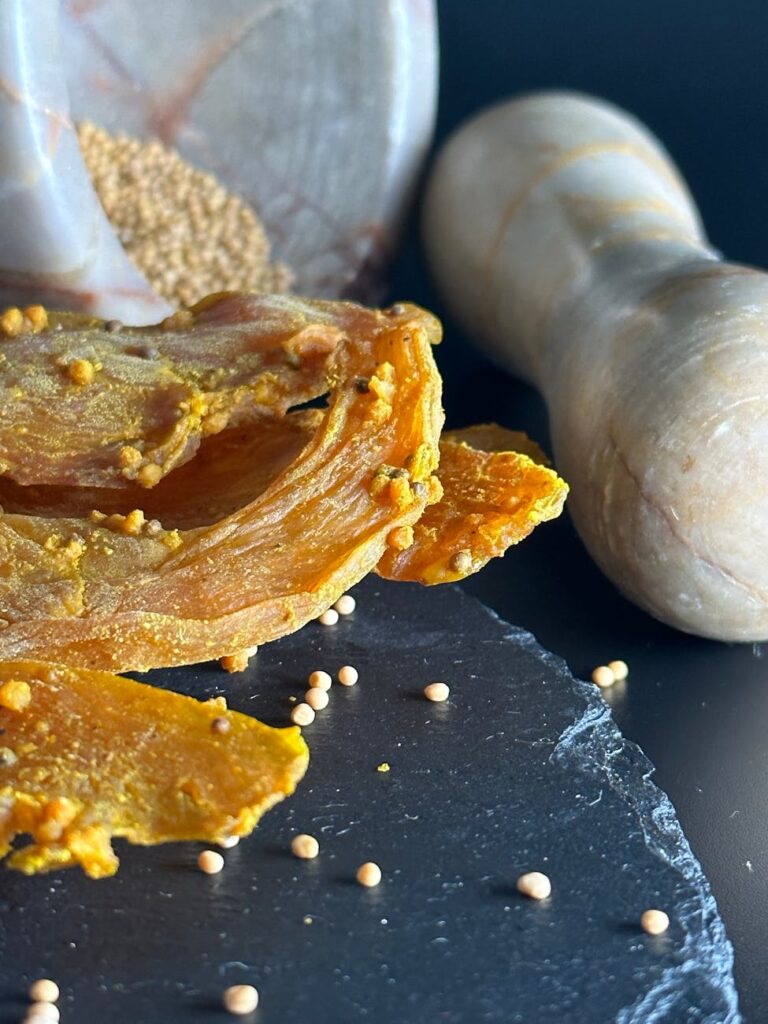
Mangoes are incredibly versatile and can be used in a variety of culinary applications. They are enjoyed fresh, dried, or processed into juices, smoothies, and sauces. Additionally, mangoes can be incorporated into salads, salsas, and desserts, adding a tropical twist to dishes.
Culinary Applications
- Fresh Consumption: Sliced mangoes can be enjoyed on their own or added to fruit salads for a refreshing treat.
- Cooking: Diced mango can enhance the flavor of stir-fries, curries, and grilled meats.
- Beverages: Mango juice is a popular drink worldwide, while mango smoothies provide a nutritious and delicious option.
- Preserves and Jams: Mangoes can be cooked down into jams or preserved for long-term storage.
Storage and Shelf Life
Mangoes should be stored at room temperature until ripe. Once ripe, they can be stored in the refrigerator to extend their shelf life, typically lasting about five to seven days. To freeze mangoes, peel and chop the fruit, then store it in airtight containers or freezer bags. Frozen mango can last several months and is ideal for smoothies and cooking.
Common Misconceptions
1. Mango Trees Require Constant Water
While mango trees need water, they thrive in well-drained soils and do not tolerate waterlogged conditions. Overwatering can lead to root rot.
2. All Mangoes Ripen on the Tree
Not all mango varieties ripen fully on the tree. Some are best harvested while still firm and allowed to ripen off the tree.
3. Mangoes Are Only Grown in Tropical Climates
While mango trees thrive in tropical regions, they can also be cultivated in subtropical areas with appropriate care and management.
Frequently Asked Questions
1. What is the best time to plant mango trees?
The best time to plant mango trees is during the early spring or the beginning of the rainy season to allow for optimal root establishment.
2. How long does it take for a mango tree to bear fruit?
Generally, mango trees take about three to six years to produce fruit, depending on the variety and growing conditions.
3. Can mango trees grow in pots?
Yes, mango trees can be grown in pots, particularly dwarf varieties. Ensure the pot has proper drainage and is large enough to accommodate root growth.
4. How do I know when my mango is ripe?
A ripe mango will yield slightly to gentle pressure and may exhibit a sweet aroma near the stem. The skin color will also change depending on the variety.
5. What are the major diseases affecting mango trees?
Common diseases include anthracnose, powdery mildew, and mango malformation. Preventive measures such as proper spacing, pruning, and fungicide applications can help manage these issues.
6. Is it possible to grow mango trees from seeds?
Yes, mango trees can be grown from seeds, but it may take longer for them to produce fruit compared to grafted trees. Proper care and attention are necessary for successful seed germination and growth.
Conclusion
Understanding the best climate for growing mangoes is essential for successful cultivation and production. By providing the right temperatures, humidity, and soil conditions, growers can ensure healthy trees and high-quality fruit. With its rich history and wide-ranging applications, the mango continues to be a beloved ingredient in cuisines worldwide. Whether grown for personal enjoyment or commercial production, the mango remains a testament to the beauty and richness of agricultural diversity.