
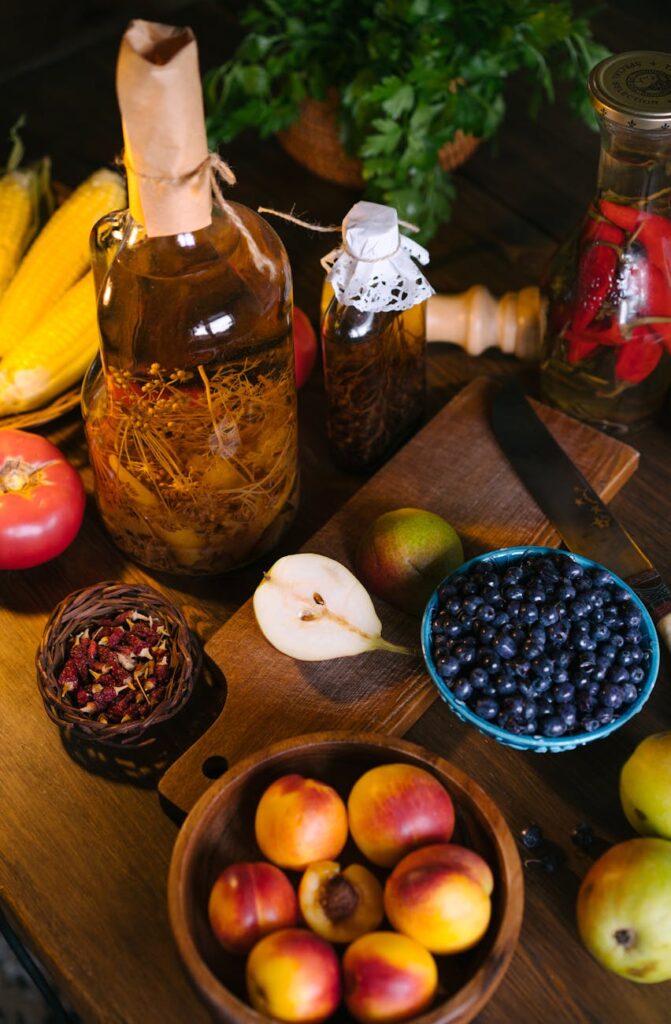
Best Climate for Growing Nectarines
Introduction
Nectarines, prized for their luscious flavor and smooth skin, are a delightful stone fruit that belongs to the same genus as peaches. Their cultivation involves a nuanced understanding of climate, soil, and agricultural practices. This article delves into the specific climatic conditions that foster the successful growth of nectarines, alongside a comprehensive overview of their history, production, grading, and storage.
What Is Growing?
Growing, in the context of horticulture, refers to the cultivation of plants for consumption, aesthetic pleasure, or ecological benefits. It encompasses various practices, including soil preparation, planting, watering, fertilization, pest management, and harvesting. For nectarines, these processes are intimately connected to the climatic conditions in which they are cultivated.
History and Origins
Nectarines are believed to have originated in China over 2,000 years ago and have since spread across various regions of the world. The fruit is a genetic variant of the peach, distinguished primarily by its smooth skin. Through centuries of cultivation, nectarines have been selectively bred for their sweetness, texture, and resistance to diseases. Today, the largest producers of nectarines include the United States, China, and various Mediterranean countries, where the climate is particularly conducive to their growth.
Production and Processing
The cultivation of nectarines thrives in temperate climates, characterized by distinct seasons and a moderate amount of rainfall. Regions with hot summers and chilling winter temperatures are ideal for nectarines, as these conditions facilitate the necessary dormancy period for the trees.
Ideal Climate Conditions
1. Temperature: Nectarines flourish in areas where summer temperatures reach between 75°F to 85°F (24°C to 29°C). The tree requires a chilling period of 300 to 1,000 hours of temperatures below 45°F (7°C) during winter to ensure proper fruit development.
2. Sunlight: Full sun exposure is crucial for nectarines, necessitating at least 6-8 hours of direct sunlight daily. This light promotes photosynthesis, leading to healthier trees and more flavorful fruit.
3. Soil Type: Well-drained, loamy soil with a pH between 6.0 and 7.0 is ideal. Nectarines do not tolerate waterlogged conditions, which can lead to root rot.
4. Humidity: Moderate humidity levels are preferred. High humidity can promote fungal diseases, while very low humidity may lead to fruit drop and sunburn.
5. Rainfall: While nectarines need consistent moisture, they should not be overwatered. An annual rainfall of about 20-30 inches (500-750 mm) is optimal, supplemented by irrigation during dry spells.
Quality and Grading
Quality and grading of nectarines are influenced by various factors, including climate, soil quality, and agricultural practices. High-quality nectarines are characterized by firmness, vibrant color, and a pleasant aroma.
Grading Standards
1. U.S. Grade Standards: In the U.S., nectarines are graded based on criteria such as size, color, and absence of defects. The USDA establishes three primary grades: U.S. No. 1, U.S. No. 2, and U.S. No. 3, with U.S. No. 1 being the highest quality.
2. Color and Firmness: Color should be bright and uniform, with a rich hue indicative of ripeness. Firmness is essential; overripe nectarines can be mushy and less flavorful.
3. Defects: Any bruises, cuts, or blemishes can significantly impact the grade. Producers aim for minimal defects to maximize marketability.
Buying Considerations
When purchasing nectarines, several factors can influence the quality and overall experience:
1. Seasonality: Nectarines are typically in season during the summer months. Buying in-season fruit ensures peak flavor and ripeness.
2. Origin: Local nectarines often have superior taste and freshness compared to imported varieties. Additionally, supporting local growers can foster sustainable agricultural practices.
3. Appearance: Look for nectarines that are vibrant in color, free from blemishes, and feel slightly firm to the touch. A subtle aroma is also an indicator of ripeness.
4. Organic vs. Conventional: Consider whether you prefer organic nectarines, which may be grown without synthetic pesticides and fertilizers. While they can be pricier, many consumers feel they offer a better flavor profile and environmental benefits.
Uses and Applications
Nectarines are versatile fruits used in various culinary applications. Their sweet, juicy flesh makes them a popular choice for:
- Fresh Consumption: Eaten raw, nectarines are a refreshing snack rich in flavor.
- Desserts: They can be used in pies, tarts, and sorbets, enhancing desserts with their natural sweetness.
- Salads: Nectarines add a burst of flavor to salads, balancing savory ingredients with their sweetness.
- Salsas and Sauces: Their flavor pairs well with spices, making nectarines ideal for salsas and sauces to accompany grilled meats or fish.
Storage and Shelf Life
Proper storage is essential to maintain the quality and flavor of nectarines.
1. Ripening: Nectarines should be allowed to ripen at room temperature if they are not fully ripe when purchased. Once they yield slightly to pressure, they are ready to eat.
2. Refrigeration: To prolong shelf life, nectarines can be refrigerated. However, this may alter their texture. It is best to consume them within a few days of ripening.
3. Freezing: For longer storage, nectarines can be sliced and frozen. This process preserves their flavor, making them suitable for use in smoothies or baked goods later on