
Best Climate for Growing Nori
Introduction
Nori, the delicate seaweed that has become a staple in various cuisines, particularly Japanese, thrives in specific environmental conditions. Understanding the best climate for cultivating this unique ingredient is essential for both commercial producers and home aquaculture enthusiasts. This article delves into the optimal conditions for growing nori, its historical significance, production methods, quality assessment, and much more.
What Is Growing?
Growing refers to the cultivation of organisms, including plants and seaweeds, in a controlled or natural environment. In the case of nori, it involves detailed procedures and specific conditions to ensure that the seaweed flourishes and develops the desired characteristics. Nori is primarily cultivated in shallow coastal waters, where specific climatic and environmental factors play a crucial role in its growth.
History and Origins
Nori has been consumed in East Asia for centuries, with its origins tracing back to the coastal regions of Japan. Historical records indicate that it was first harvested as early as the 8th century. Initially, nori was collected from the wild, but with rising demand, especially during the Edo period, cultivation techniques were developed.
The Japanese were pioneers in nori farming, utilizing the nutrient-rich waters along their coastlines. The practice later spread to other countries, including Korea and China, where variations in cultivation methods adapted to regional climate conditions emerged. Today, nori is primarily cultivated in Japan, South Korea, and China, with each region producing distinct varieties.
Production and Processing
The cultivation of nori involves several stages, starting with the selection of suitable coastal areas. Nori thrives best in clean, nutrient-rich waters with a salinity level of around 3.5%. The growing season typically spans from late autumn to early spring, during which environmental conditions are optimal.
Cultivation Techniques
Nori is cultivated using two primary techniques: floating and fixed net systems. In the floating system, spores are released onto nets that float on the surface of the water. This method allows the seaweed to absorb sunlight and nutrients effectively. The fixed net system involves attaching nets to poles or frames submerged in shallow waters, providing stability and accessibility for harvesting.
Harvesting
Harvesting usually occurs when the nori reaches a specific size, typically within 6-8 weeks after seeding. The seaweed is carefully cut from the nets, ensuring minimal damage to the plant and allowing for potential regrowth. After harvesting, nori undergoes a meticulous drying and processing phase, where it is washed, dried, and prepared for packaging.
Quality and Grading
The quality of nori is determined by several factors, including color, texture, and flavor. The grading system used to assess nori quality typically consists of three main categories: A, B, and C.
- Grade A: This is the highest quality, featuring a vibrant green color, thin texture, and subtle umami flavor. It is usually produced from younger seaweed and is sought after for sushi-making.
- Grade B: Slightly thicker and darker than Grade A, this nori may have a stronger taste and is often used in cooking and as a garnish.
- Grade C: The lowest quality, often used for snacks or as a base ingredient, has a more robust flavor and thicker texture.
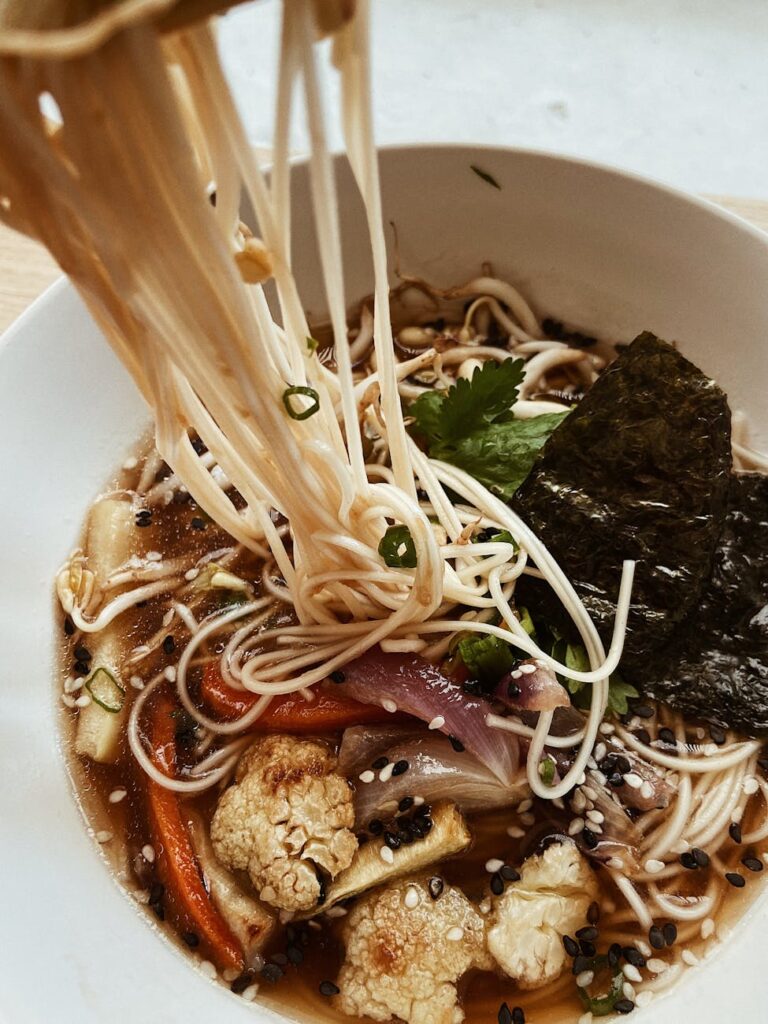
- Soups and broths: Nori can be crumbled and added to soups for added flavor and nutrients.
- Snacks: Roasted nori sheets are popular as a healthy snack, often seasoned with salt or other flavorings.
- Salads: Shredded nori can be sprinkled over salads, adding a unique texture and flavor.
- Garnishes: Nori is commonly used as a garnish for rice dishes, enhancing both presentation and taste.
Producers and consumers alike should pay attention to these grading distinctions, as they significantly influence the culinary applications of nori.
Buying Considerations
When purchasing nori, several factors should be considered to ensure quality and freshness.
Source
Opt for nori sourced from reputable suppliers known for sustainable practices. This is crucial not only for quality but also for environmental responsibility, as overharvesting can threaten marine ecosystems.
Packaging
Nori should be sold in airtight packaging to preserve its freshness and prevent moisture absorption. Check for any signs of damage or exposure to air, as this can lead to degradation in quality.
Appearance
High-quality nori should be a deep green color with a glossy finish. Avoid sheets that appear dull or have uneven color, as these may indicate poor quality.
Flavor Profile
If possible, sample different grades of nori to determine your preferred flavor. Fresh, high-quality nori should have a subtle, oceanic taste that enhances dishes rather than overpowering them.
Uses and Applications
Nori is a versatile ingredient with numerous culinary applications. Its most recognized use is in sushi, where it serves as the outer layer wrapping various fillings. Beyond sushi, nori is also utilized in:
Storage and Shelf Life
Proper storage is essential for maintaining the quality of nori.
Storage Conditions
Nori should be kept in a cool, dry place away from direct sunlight. Once opened, it is advisable to store nori in an airtight container to prevent moisture absorption, which can lead to a loss of flavor and texture.
Shelf Life
Unopened nori typically has a shelf life of 6-12 months, while opened packages are best consumed within a few weeks for optimal freshness. Always check for expiration dates and inspect for any signs of spoilage, such as discoloration or an off smell.
Common Misconceptions
There are several misconceptions about nori that may lead to confusion among consumers.
Nori Is a Type of Seaweed
While nori is indeed a type of seaweed, it specifically refers to species of the genus Porphyra. There are many varieties of seaweed, each with distinct characteristics and culinary uses.
All Nori Is the Same
Not all nori is created equal. Quality can vary significantly based on cultivation methods, harvesting techniques, and grading. Understanding these differences is crucial for making informed choices in the marketplace.
Nori Is Just for Sushi
Although nori is famously associated with sushi, its culinary applications extend far beyond this. It can be incorporated into a variety of dishes, enhancing flavor and nutritional value.
Frequently Asked Questions
1. What is the best temperature for growing nori?
Nori thrives in water temperatures between 15°C and 20°C (59°F and 68°F). Conditions outside this range can inhibit growth and affect quality.
2. How long does it take to harvest nori?
Typically, nori takes about 6-8 weeks to reach the harvestable size after seeding, although this can vary based on environmental conditions and cultivation methods.
3. Can nori be grown in freshwater?
Nori is a marine seaweed and cannot be grown in freshwater. It requires saline conditions found in coastal ocean environments.
4. What are the environmental impacts of nori farming?
Sustainable farming practices are essential to minimize negative impacts on marine ecosystems. Overharvesting and poor management can lead to habitat destruction and reduced biodiversity.
5. How can I tell if my nori has gone bad?
Signs of spoilage include discoloration, an off smell, or a loss of crispness. If the nori appears stale or has absorbed moisture, it is best to discard it.
6. Is there a difference between nori sheets and nori flakes?
Yes, nori sheets are typically used for wrapping sushi, while nori flakes are often used as a seasoning or garnish. The texture and size differ significantly, influencing their culinary applications.
Conclusion
Understanding the best climate for growing nori is crucial for both producers and consumers. With its rich history, various applications, and specific quality metrics, nori remains a valuable ingredient in global cuisines. As awareness of sustainable practices grows, it is vital to support responsible nori farming to ensure this beloved seaweed continues to thrive for generations to come.