
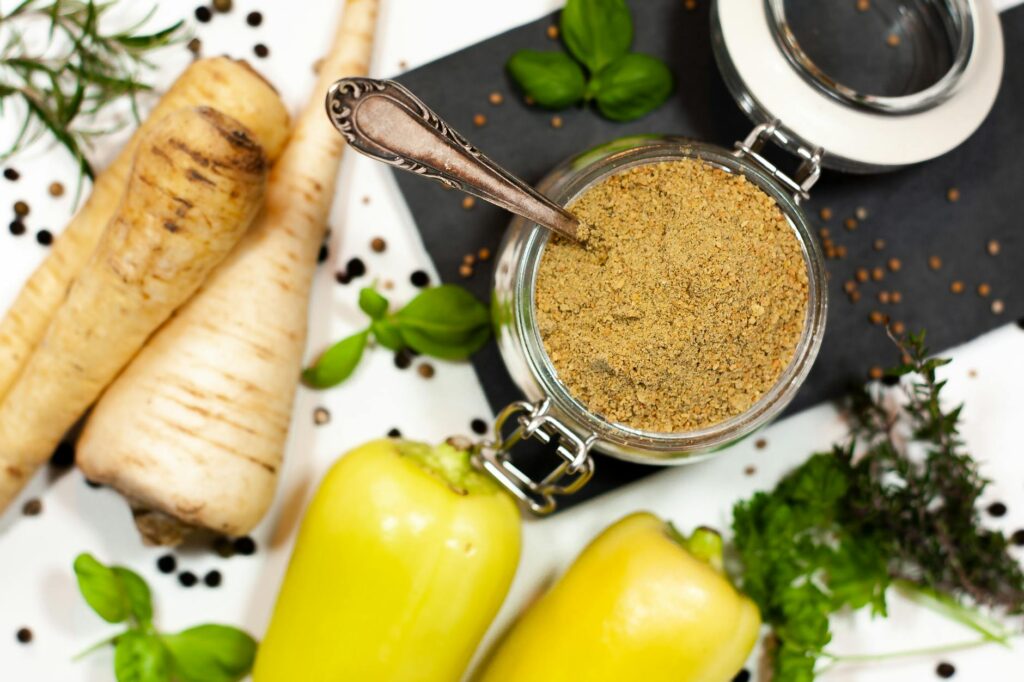
Best Climate for Growing Parsnip
Introduction
Parsnips (Pastinaca sativa) are a root vegetable belonging to the Apiaceae family, which includes carrots, celery, and parsley. Known for their sweet, nutty flavor, particularly after frost, parsnips are not only a beloved ingredient in many cuisines but also a crop with historical significance and nutritional value. Understanding the best climate for growing parsnips is essential for both home gardeners and commercial producers. This article delves into the various aspects of parsnip cultivation, focusing on the climatic requirements that facilitate optimal growth.
What Is Growing?
Growing refers to the process of cultivating plants, involving the selection of suitable species, soil preparation, planting, care, and harvesting. For parsnips, understanding their specific climatic needs is crucial for fostering healthy growth and maximizing yield. This includes considerations such as temperature, soil type, moisture levels, and sunlight exposure.
History and Origins
Parsnips have been cultivated since ancient times, with origins traced back to the Mediterranean region and parts of Europe. They were a staple food during the Roman Empire before the introduction of the potato. Over centuries, parsnips have been embraced in various cultures, particularly in northern Europe, where they thrive in cooler climates. Their ability to withstand frost and improve in flavor post-harvest has solidified their place in both historical diets and modern culinary practices.
Production and Processing
Climate Requirements
Parsnips thrive in temperate climates with distinct seasons, particularly in regions where winters are cold but not extreme. Ideal growing conditions include:
- Temperature: The optimal temperature range for germination is between 50°F and 85°F (10°C to 29°C). Parsnips prefer cooler temperatures for growth, ideally between 60°F and 70°F (15°C to 21°C). They can tolerate frost, which enhances their sweetness, making them well-suited for fall and winter harvests.
- Soil: Well-drained, sandy loam soils are ideal for parsnip cultivation. The soil should be rich in organic matter, allowing for deep root penetration. Soil pH should ideally be between 6.0 and 7.0.
- Moisture: Parsnips require consistent moisture, particularly during germination and early growth stages. However, excessive moisture can lead to rot, so proper drainage is essential.
- Sowing: Parsnips are typically sown in early spring or late summer. Seeds require light to germinate, so they should be sown shallowly, about 1/2 inch deep.
- Spacing: Proper spacing is vital to allow for the development of their long taproots. Rows should be spaced 12 to 18 inches apart, with seeds placed 2 to 4 inches apart within the row.
- Weeding and Maintenance: Regular weeding helps prevent competition for nutrients and water. Mulching can help retain soil moisture and suppress weeds.
- Fancy: Large, well-formed roots with minimal blemishes.
- Choice: Slightly smaller roots with minor imperfections.
- Standard: Roots that may be misshapen or have superficial blemishes.
- Seasonality: Fresh parsnips are typically available in late fall through early spring. Out-of-season parsnips may not have the desired flavor or texture.
- Freshness: Look for roots that are firm and free of soft spots. Fresh parsnips will have a vibrant color and a smooth surface.
- Organic vs. Conventional: Organic parsnips may be preferable for those concerned about pesticide use. Always check for certification if this is a priority for you.
- Soups and Stews: Their natural sweetness enhances the flavor of broths and hearty dishes.
- Roasting: Roasting parsnips caramelizes their sugars, resulting in a rich, sweet flavor.
- Purées: Cooked and blended, parsnips make a creamy base for sauces or side dishes.
- Salads: Raw parsnips can be grated and added to salads for a crunchy texture.
- Refrigeration: Fresh parsnips can be stored in the refrigerator, ideally in a perforated plastic bag, where they can last up to two weeks.
- Freezing: For longer storage, parsnips can be blanched and then frozen. This process helps maintain their flavor and texture but should be done properly to ensure quality.
- Root Cellaring: In cooler climates, parsnips can be stored in a root cellar or a cool, dark area, where they can last for several months.
Planting and Cultivation Practices
Quality and Grading
The quality of parsnips is assessed based on several factors, including size, shape, color, and texture. High-quality parsnips are usually smooth, evenly shaped, and free from blemishes or cracks. They should be firm to the touch, indicating freshness.
Grading Standards
In commercial production, parsnips are often graded into categories such as:
Understanding these grading standards can help both producers and consumers make informed decisions regarding quality.
Buying Considerations
When purchasing parsnips, whether from a market or a grocery store, consider the following:
Uses and Applications
Parsnips are versatile and can be used in a variety of culinary applications. Common uses include:
Parsnips can also be utilized in desserts, showcasing their sweetness in cakes and muffins.
Storage and Shelf Life
Proper storage is essential to preserve the quality of parsnips.
Short-term Storage
Long-term Storage
Common Misconceptions
Misconception 1: Parsnips Are Just White Carrots
While parsnips and carrots belong to the same family and share a