
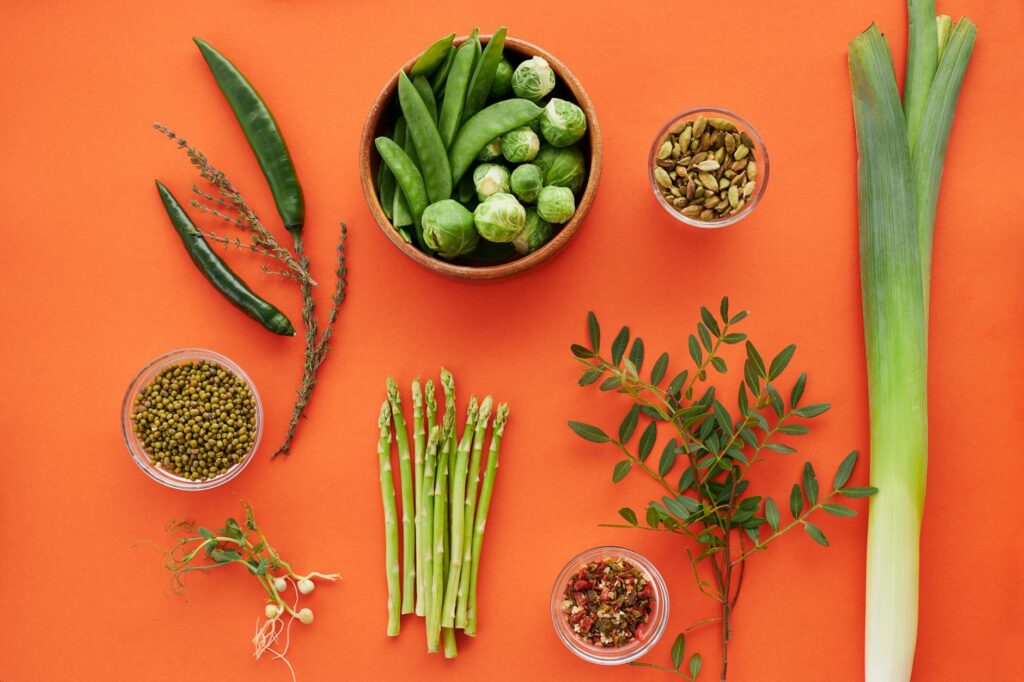
Best Climate for Growing Pea Shoots
Introduction
Pea shoots, the tender young leaves and stems of pea plants, have gained popularity in culinary circles for their delicate taste and nutritional benefits. As a versatile ingredient, they can enhance salads, stir-fries, and garnishes. Understanding the best climate for growing pea shoots is essential for both home gardeners and commercial growers seeking optimal yields and quality. This article will explore the ideal conditions for cultivating pea shoots, from their history and origins to practical growing tips and common misconceptions.
What Is Growing?
Growing refers to the process of cultivating plants to achieve specific outcomes, such as obtaining edible parts like leaves, stems, or seeds. In the context of pea shoots, growing involves understanding the plant’s life cycle, environmental needs, and cultivation techniques. Pea shoots are typically harvested within two to three weeks of germination, making them a fast-growing option for gardeners.
History and Origins
The cultivation of peas dates back over 10,000 years, with evidence suggesting their origins in the Mediterranean region and the Near East. Pea shoots, while often regarded as a contemporary culinary trend, have deep historical roots. Ancient cultures appreciated the entire pea plant, including the tender shoots, for their nutritional value and flavor.
In modern agriculture, the popularity of pea shoots surged in the late 20th century, particularly in Asian cuisines, where they are known as “pea sprouts.” The rise of organic and locally sourced ingredients further fueled interest in growing pea shoots at home and in commercial settings.
Production and Processing
Pea shoots are generally grown from the seeds of the garden pea (Pisum sativum) or snow pea (Pisum sativum var. saccharatum). The cultivation process begins with selecting high-quality seeds, and it is crucial to choose varieties suited for your climate.
Soil Requirements
Pea shoots thrive in well-draining, fertile soil enriched with organic matter. A pH level between 6.0 and 7.0 is ideal. Soil that retains moisture while allowing for adequate drainage is essential, as soggy conditions can lead to root rot and other diseases.
Temperature and Light Conditions
The optimal temperature for germinating pea shoots ranges from 60°F to 75°F (15°C to 24°C). They prefer full sun to partial shade, with at least 4 to 6 hours of sunlight daily. In hotter climates, providing some shade during peak sun hours can prevent overheating and wilting.
Watering and Fertilization
Consistent moisture is vital for growing pea shoots. Regular watering, especially during dry spells, ensures robust growth. However, overwatering should be avoided to minimize the risk of fungal diseases. Fertilization can enhance growth; a balanced, organic fertilizer applied sparingly during the early growth stages can yield better results.
Quality and Grading
Quality pea shoots are characterized by vibrant green color, tender leaves, and a crisp texture. Factors influencing quality include the growing conditions, the handling during harvesting, and post-harvest practices.
Grading Standards
In commercial markets, pea shoots are often graded based on their size, color, and overall appearance. Higher-grade pea shoots are typically uniform in size and free from blemishes or signs of wilting. For home growers, the focus should be on freshness and flavor rather than strict grading standards.
Buying Considerations
When purchasing pea shoots, whether from a market or a supplier, consider the following factors:
- Freshness: Look for shoots that are vibrant in color with no signs of wilting or yellowing.
- Source: Organic or locally sourced pea shoots often have superior flavor profiles and are free from harmful pesticides.
- Packaging: Ensure that the packaging is clean and allows for breathability to prevent moisture buildup, which can lead to spoilage.
- Temperature: Store them at temperatures between 32°F and 36°F (0°C to 2°C).
- Moisture Control: Wrap pea shoots in a damp paper towel and place them in a perforated plastic bag to maintain humidity without excess moisture.
- Shelf Life: When stored properly, fresh pea shoots can last up to one week. However, for the best flavor and texture, they are best consumed within a few days of harvest.
- Misconception 1: Pea shoots are just young peas. While they come from the same plant family, pea shoots are harvested before the plant develops peas, resulting in a different taste and texture.
- Misconception 2: Pea shoots are difficult to grow. On the contrary, they are relatively easy and fast-growing, making them suitable for novice gardeners.
- Misconception 3: Pea shoots are only available in spring. With the right conditions, pea shoots can be grown year-round, particularly in controlled environments like greenhouses.
Uses and Applications
Pea shoots are remarkably versatile and can be used in various culinary applications. They are often featured in salads, sandwiches, and sushi, and can also be sautéed or incorporated into soups and stir-fries. Their mild, sweet flavor pairs well with a wide range of ingredients, making them a popular choice in both home kitchens and professional culinary settings.
Storage and Shelf Life
Fresh pea shoots can be stored in the refrigerator to maximize shelf life. Here are some best practices:
Common Misconceptions
Despite their popularity, several misconceptions about pea shoots exist:
Frequently Asked Questions
1. Can I grow pea shoots indoors?
Yes, pea shoots can be grown indoors, provided they receive adequate light. Using grow lights can help supplement natural sunlight.
2. How long does it take to grow pea shoots?
Pea shoots typically take 2 to 3 weeks from planting to harvest, making them one of the quickest crops to grow.
3. What type of soil is best for growing pea shoots?
Well-draining, fertile soil enriched with organic matter is ideal for growing pea shoots. A slightly acidic to neutral pH is preferred.
4. Do I need to fertilize pea shoots?
While not strictly necessary, a balanced organic fertilizer can promote faster growth and enhance flavor. Use it sparingly during the early stages of growth.
5. Can I eat pea shoot pods?
Yes, if allowed to mature, pea plants will produce pods that can also be eaten. However, they are typically harvested for their shoots rather than pods.
6. Are there any pests or diseases I should watch for?
Common pests include aphids and spider mites. Fungal diseases can occur in overly wet conditions. Regular monitoring and good cultural practices can minimize these risks.
Conclusion
Understanding the best climate for growing pea shoots is crucial for achieving high-quality yields. By considering factors such as temperature, light, soil conditions, and proper care, both home gardeners and commercial growers can cultivate this delightful and nutritious ingredient successfully. With their rich history and versatile applications, pea shoots are an invaluable addition to any culinary repertoire.