
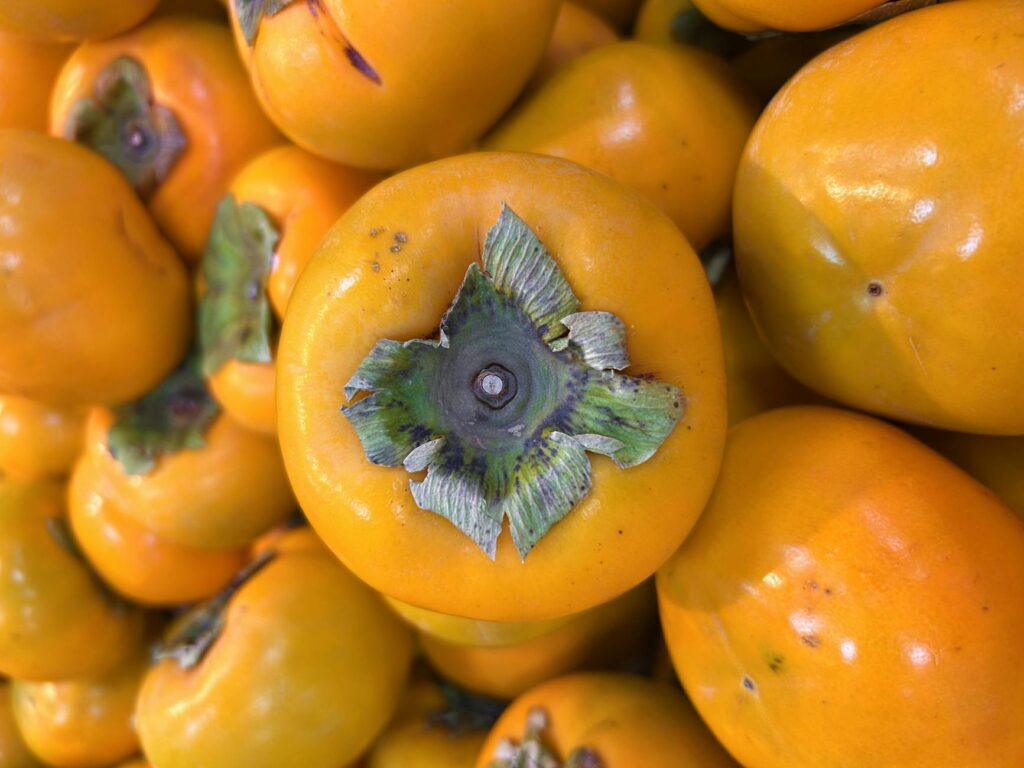
Best Climate for Growing Persimmons
Introduction
Persimmons, the vibrant orange fruit that graces many autumn markets, are not only visually appealing but also packed with flavor and nutrition. Known for their unique sweetness and a texture that ranges from crisp to custardy, persimmons are cultivated across various regions worldwide. However, understanding the ideal climate for growing persimmons is essential for successful cultivation and maximum yield. This article delves into the specifics of climate conditions, historical significance, production processes, and more, providing a comprehensive guide for both novice and seasoned growers.
What Is Growing?
In the context of agriculture, “growing” refers to the cultivation practices involved in nurturing plants from seeds or seedlings to mature fruit-bearing trees. This includes understanding the specific environmental conditions that influence growth, such as temperature, soil quality, and water availability. For persimmons, knowing the right climate is crucial for achieving optimal fruit quality and yield.
History and Origins
The persimmon (Diospyros) is native to East Asia, with the earliest cultivation believed to have occurred in China over 2,000 years ago. The fruit holds cultural significance in many Asian societies, often symbolizing prosperity and fertility. From China, the cultivation of persimmons spread to Korea, Japan, and eventually to the Americas in the 19th century. Today, persimmons are grown in various regions worldwide, with specific varieties thriving in different climates.
The two primary species cultivated are the Asian persimmon (Diospyros kaki) and the American persimmon (Diospyros virginiana). Each species has unique characteristics and climate preferences that influence their growth and fruiting patterns.
Production and Processing
Persimmon production requires a deep understanding of environmental conditions. The trees flourish in temperate climates characterized by distinct seasons, including a cold winter that encourages dormancy and a warm summer that promotes fruit development.
Ideal Climate Conditions
1. Temperature: Persimmons prefer a climate with average temperatures ranging from 70°F to 85°F (21°C to 29°C) during the growing season. They can tolerate winter temperatures as low as 10°F (-12°C) but are sensitive to frost during flowering. A frost-free period of at least 180 days is essential for fruit maturation.
2. Sunlight: Full sun exposure is critical for healthy growth and fruiting. Trees should receive at least six hours of direct sunlight daily. Insufficient light can lead to poor fruit quality and reduced yields.
3. Rainfall and Irrigation: While persimmons are drought-tolerant once established, they require consistent moisture during the growing season. An annual rainfall of around 30 to 50 inches (760 to 1,270 mm) is ideal. Drip irrigation is often employed in commercial orchards to maintain optimal soil moisture without waterlogging.
4. Soil Type: Well-drained, loamy soils rich in organic matter are preferred. Soil pH should ideally be between 6.0 and 7.5. Heavy clay soils can hinder root development and should be amended for improved drainage.
Quality and Grading
The quality of persimmons is influenced by various factors, including climate, soil conditions, and cultivation practices. Grading standards typically consider size, color, firmness, and blemishes.
1. Size: Larger fruit is generally more desirable, but consistency in size across the harvest is also valued.
2. Color: A vibrant orange hue indicates ripeness, while dull or uneven coloring can suggest poor growing conditions or inadequate sunlight.
3. Firmness: The fruit should have a slight give when pressed but not be overly soft. Firmness is a crucial indicator of ripeness and overall quality.
Buying Considerations
When purchasing persimmons, whether for personal consumption or commercial use, several factors should be considered:
1. Varietal Differences: Familiarize yourself with the various types, such as Fuyu and Hachiya. Fuyu persimmons are firm and can be eaten while still crunchy, while Hachiya persimmons need to be fully ripe and soft for optimal sweetness.
2. Seasonality: Persimmons are typically in season from late fall to early winter. Look for locally sourced fruit during this time for the best flavor.
3. Storage Conditions: Ensure that persimmons are stored properly to maintain freshness. They should be kept in a cool, dry place or refrigerated to prolong shelf life.
Uses and Applications
Persimmons are versatile ingredients that can be used in various culinary applications. Their sweet, honey-like flavor pairs well with both savory and sweet dishes.
1. Fresh Consumption: Eaten raw, persimmons can be sliced into salads, served as a snack, or added as a topping for yogurt or oatmeal.
2. Baking and Cooking: Persimmons can be used in baking, such as in cakes or bread, and can also be cooked into sauces or jams.
3. Preservation: Dried persimmons are a popular snack in many cultures and can be used in trail mixes or as a natural sweetener in cereal.
Storage and Shelf Life
Proper storage is vital for extending the shelf life of persimmons. Here are key points to consider:
1. Ripening: Allow persimmons to ripen at room temperature. Once ripe, they can be refrigerated to slow down further ripening.
2. Shelf Life: Fresh persimmons typically last about one to two weeks at room temperature and can extend to three to five weeks when refrigerated. Dried persimmons can last for several months if properly stored in an airtight container in a cool, dark place.
Common Misconceptions
Several misconceptions surround persimmons that can lead to confusion among consumers and growers alike:
1. All Persimmons Are the Same: Many people assume all pers