
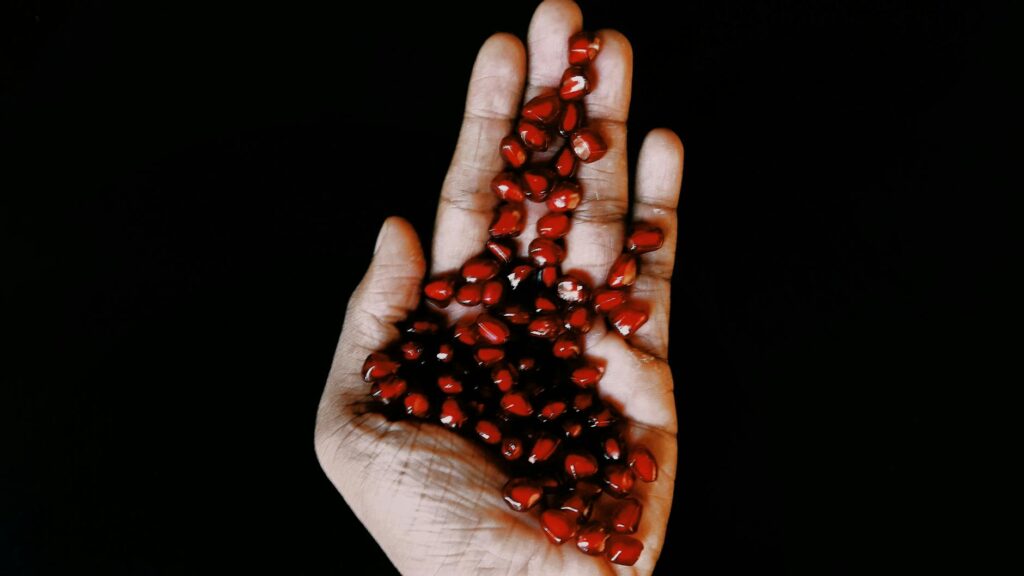
Best Climate for Growing Pomegranate Seeds
Introduction
Pomegranate (Punica granatum) is a fruit-bearing deciduous shrub or small tree known for its vibrant, jewel-like seeds, which are not only delicious but also rich in antioxidants. While the allure of pomegranate seeds has led to their popularity worldwide, understanding the optimal conditions for growing pomegranates is essential for cultivating high-quality fruit. This article delves into the best climate for growing pomegranate seeds, exploring various facets of this remarkable ingredient, including its history, production, and uses.
What Is Growing?
Growing refers to the cultivation of agricultural products, in this case, pomegranate seeds. The process encompasses various stages, including planting, nurturing, and harvesting, all of which are influenced by environmental conditions. For successful growth, it is crucial to provide the right climate, soil conditions, and care. Pomegranates thrive in regions with specific climatic conditions that promote healthy growth and fruiting.
History and Origins
Pomegranates have a rich historical background, believed to have originated in the regions spanning modern-day Iran and the surrounding areas. Archaeological evidence suggests that pomegranates have been cultivated for over 4,000 years, making them one of the oldest cultivated fruits known to humanity. They spread through trade routes to the Mediterranean basin and later to the Americas. The fruit holds cultural significance in many societies, symbolizing fertility, abundance, and prosperity.
Production and Processing
Ideal Growing Conditions
Pomegranates are best suited to subtropical and temperate climates. They flourish in areas with:
- Sunlight: Pomegranates require full sun for optimal growth, needing at least 6 hours of direct sunlight daily. This exposure helps in the development of flavor and color in the seeds.
- Temperature: The ideal temperature range for growing pomegranates is between 68°F to 85°F (20°C to 30°C). While they can tolerate temperatures as low as 10°F (-12°C), they are sensitive to frost, which can damage flowers and young fruit.
- Rainfall and Watering: Pomegranates thrive in areas with low to moderate annual rainfall, ideally between 12 to 34 inches (300 to 850 mm). They are drought-tolerant plants but benefit from regular watering during dry periods, especially when the fruit is developing.
- Firm and Juicy: Fresh, plump seeds indicate optimal ripeness and flavor.
- Uniform Color: Seeds should display a vibrant red or deep pink hue, indicative of high antioxidant levels.
- No Defects: Quality seeds should be free from blemishes, mold, or other signs of spoilage.
- Source: Opt for seeds from reputable suppliers who practice sustainable farming methods to ensure quality and safety.
- Packaging: For packaged seeds, check for airtight seals to maintain freshness. Look for expiration dates to ensure you are getting the freshest product.
- Organic Certification: If possible, choose organically grown seeds to avoid exposure to harmful pesticides and chemicals.
- Salads: Adding a burst of flavor and color to salads.
- Juices and Smoothies: Blending into refreshing beverages.
- Garnishes: Enhancing the visual appeal of various dishes.
- Sauces and Marinades: Contributing a sweet-tart flavor profile to meats and vegetables.
Soil Requirements
The best soil for pomegranates is well-drained, sandy loam that is slightly acidic to neutral (pH 5.5 to 7.0). Poor drainage can lead to root rot, so it is essential to ensure that the planting site has good drainage. Soil fertility can be improved by incorporating organic matter, which also aids in moisture retention.
Propagation Techniques
Pomegranates can be propagated through seeds, cuttings, or air layering. While seed propagation is possible, it may not always produce plants true to the parent variety. Many commercial growers prefer cuttings, as they are easier to manage and produce fruit faster.
Quality and Grading
The quality of pomegranate seeds is influenced by various factors, including the growing conditions, harvesting techniques, and post-harvest handling. High-quality seeds are typically:
In commercial markets, pomegranate seeds may be graded based on size, color, and overall appearance, with higher grades commanding better prices.
Buying Considerations
When purchasing pomegranate seeds, whether fresh or packaged, consider the following:
Uses and Applications
Pomegranate seeds are not only a delightful snack but also versatile ingredients in culinary applications. They can be utilized in:
Their unique taste and texture make them a popular addition to both sweet and savory dishes, offering a nutritious element that is both visually appealing and flavorful.
Storage and Shelf Life
Fresh Pomegranate Seeds
Fresh pomegranate seeds should be stored in the refrigerator to maximize their shelf life. When kept in an airtight container, they can last up to a week. If you find yourself with excess seeds, freezing them is an excellent option, as they can maintain their quality for several months when properly stored.
Dried or Packaged Seeds
Dried pomegranate seeds or those found in commercial packaging have a longer shelf life. Always check the expiration date, and store them in a cool, dry place, ideally in an airtight container to prevent moisture absorption.
Common Misconceptions
One common misconception is that pomegranates are only grown in tropical climates. While they thrive in warm conditions, they can also adapt to temperate climates, provided they are protected from extreme frost. Additionally, some people believe that pomegranate seeds are difficult to extract; however, with the right technique, the seeds can be easily removed from the fruit.
Frequently Asked Questions
1. What is the best time to plant pomegranate seeds?
The best time to plant pomegranate seeds is in the spring after the