
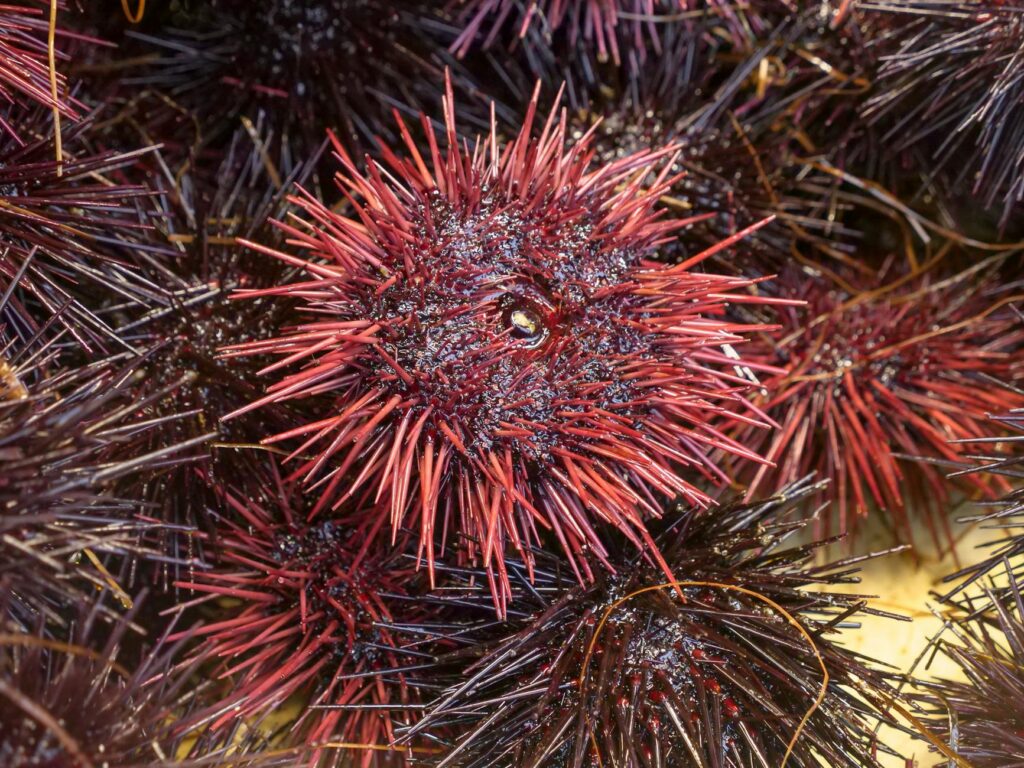
Best Climate for Growing Sea Urchin
Introduction
Sea urchins are fascinating marine creatures that play a significant role in both ecosystems and culinary traditions around the globe. Known for their unique flavor and texture, they have become a sought-after delicacy in many cuisines. However, the successful cultivation of sea urchins hinges on understanding the specific environmental conditions that foster their growth. This article delves into the best climatic conditions for growing sea urchins, exploring the complexities of their farming, processing, and market considerations.
What Is Growing?
In the context of sea urchins, “growing” refers to the cultivation and farming practices employed to produce these marine invertebrates sustainably and efficiently. This process involves understanding the biological needs of sea urchins, including their habitat requirements, feeding habits, and reproductive cycles. Farming sea urchins can be done in both controlled environments and open waters, but the success of these methods heavily depends on the surrounding climatic conditions.
History and Origins
Sea urchins have been harvested for thousands of years, with a rich history that spans various cultures. The practice of sea urchin farming began in the late 20th century in Japan, where the demand for the delicacy surged. As populations of wild sea urchins began to decline due to overfishing and habitat degradation, aquaculture emerged as a viable solution. Countries such as the United States, Canada, and Chile have since adopted similar farming techniques, adapting them to their unique ecosystems and climatic conditions.
Production and Processing
Growing sea urchins involves several stages, from broodstock management to larval rearing and eventual grow-out phases. The production process begins with selecting healthy adult sea urchins for breeding. Once fertilized, the eggs hatch into larvae, which require specific temperature ranges and salinity levels for optimal growth.
After a few weeks, the larvae metamorphose into juvenile sea urchins, which are then transferred to grow-out systems. These systems can be either suspended in the water column or placed on the sea floor, depending on local conditions. Throughout this process, farmers must monitor environmental factors such as temperature, pH, oxygen levels, and food availability to ensure healthy growth.
Ideal Climate Conditions
The ideal climate for growing sea urchins is characterized by:
1. Temperature: Sea urchins thrive in water temperatures ranging from 10°C to 20°C (50°F to 68°F). Temperatures outside this range can stunt growth or even lead to mortality.
2. Salinity: A salinity level of 30 to 35 parts per thousand (ppt) is optimal for sea urchins. Oceanic salinity levels typically fall within this range, but freshwater influx or artificial adjustments may be necessary in some farming environments.
3. Water Quality: High-quality water is essential. Sea urchins require clean, oxygenated water with low levels of pollutants and pathogens. Regular monitoring and filtration systems are crucial components of successful sea urchin farms.
Quality and Grading
Quality assessment of harvested sea urchins is paramount to maintaining market standards. Factors influencing quality include size, color, and the condition of the roe. Grading typically occurs after harvesting, with the highest quality sea urchins being identified by their vibrant colors and firm texture. The grading system helps consumers and retailers make informed choices, and it can significantly impact market prices.
Factors Affecting Quality
- Feeding Regimen: The diet of sea urchins, primarily composed of algae, has a direct effect on the quality of their roe. Farms that can manage the availability of high-quality food sources often yield superior products.
- Environmental Stress: Changes in temperature, salinity, or pollution can lead to stress in sea urchins, affecting their growth and reproductive health. Farms that maintain stable conditions typically produce higher-quality sea urchins.
Buying Considerations
When purchasing sea urchins, consumers should consider several factors to ensure they are buying high-quality products:
1. Source: It is vital to know whether the sea urchins are wild-caught or farmed. Sustainable farming practices should be prioritized to ensure the long-term viability of the species.
2. Freshness: Sea urchins are best consumed fresh. Checking for signs of freshness, such as a firm shell and vibrant color, can help consumers make better choices.
3. Certification: Look for certifications that indicate sustainable harvesting practices, including those from organizations that promote responsible aquaculture.
Uses and Applications
Sea urchins are highly versatile ingredients in culinary applications. Their roe, often referred to as “uni,” is prized for its rich, briny flavor and creamy texture. It can be enjoyed in various forms, such as sushi, sashimi, pasta dishes, and even on its own as a delicacy. Beyond culinary uses, sea urchins can also serve ecological purposes, such as maintaining kelp forest health by controlling algal growth.
Storage and Shelf Life
Proper storage is crucial for maintaining the quality of sea urchins. Fresh sea urchins should be kept in a cool, moist environment, ideally at temperatures between 0°C and 4°C (32°F to 39°F). When stored correctly, they can last for several days, but the best quality is usually within 24 to 48 hours of harvest.
Unopened sea urchin roe can be refrigerated for a short period, while opened roe should be consumed quickly for optimal freshness. Freezing is an option for longer-term storage, but it may affect texture and flavor, so it is generally not recommended unless necessary.
Common Misconceptions
1. Sea Urchins Are Only Found in Sushi: While sea urchin is a popular sushi ingredient, it can be used in a variety of dishes, including pastas, soups, and sauces.
2. All Sea Urchins Are Edible: Not all species of sea urchins are palatable or safe to eat. It is essential to know which species are harvested for culinary use.
3. Farmed Sea Urchins Are Inferior: Many consumers assume that farmed seafood is of lower quality. However, well-managed sea urchin farms can produce roe that is as good as or even superior to wild-caught alternatives.
Frequently Asked Questions
1. What is the primary diet of sea urchins?
Sea urchins primarily feed on algae, including kelp and other marine plant life. Their diet significantly influences the quality of their roe.
2. How long does it take for sea urchins to grow?
The growth rate of sea urchins varies by species and environmental conditions, but they typically take 1 to 3 years to reach marketable size.
3. Are there sustainable farming practices for sea urchins?
Yes, sustainable farming practices include habitat restoration, controlled breeding, and careful monitoring of environmental conditions to minimize ecological impact.
4. What are the economic benefits of sea urchin farming?
Sea urchin farming can provide economic benefits through job creation in coastal communities, sustainable seafood production, and reduced pressure on wild populations.
5. How can consumers ensure they are buying sustainable sea urchins?
Consumers can look for certifications from reputable organizations that promote sustainable fishing and aquaculture practices, as well as inquire about the source of the sea urchins.
6. What are the health risks associated with consuming sea urchins?
While generally safe to eat, sea urchins can carry risks if not harvested or handled properly. It is important to source from reputable suppliers and consume them fresh.
Conclusion
Understanding the best climate for growing sea urchins is essential for ensuring their sustainable production and high quality. By recognizing the environmental factors that influence their growth, producers can adopt practices that lead to healthier ecosystems and delicious culinary experiences. As the demand for sea urchins continues to rise, fostering responsible farming will be crucial for the future of this remarkable ingredient.