
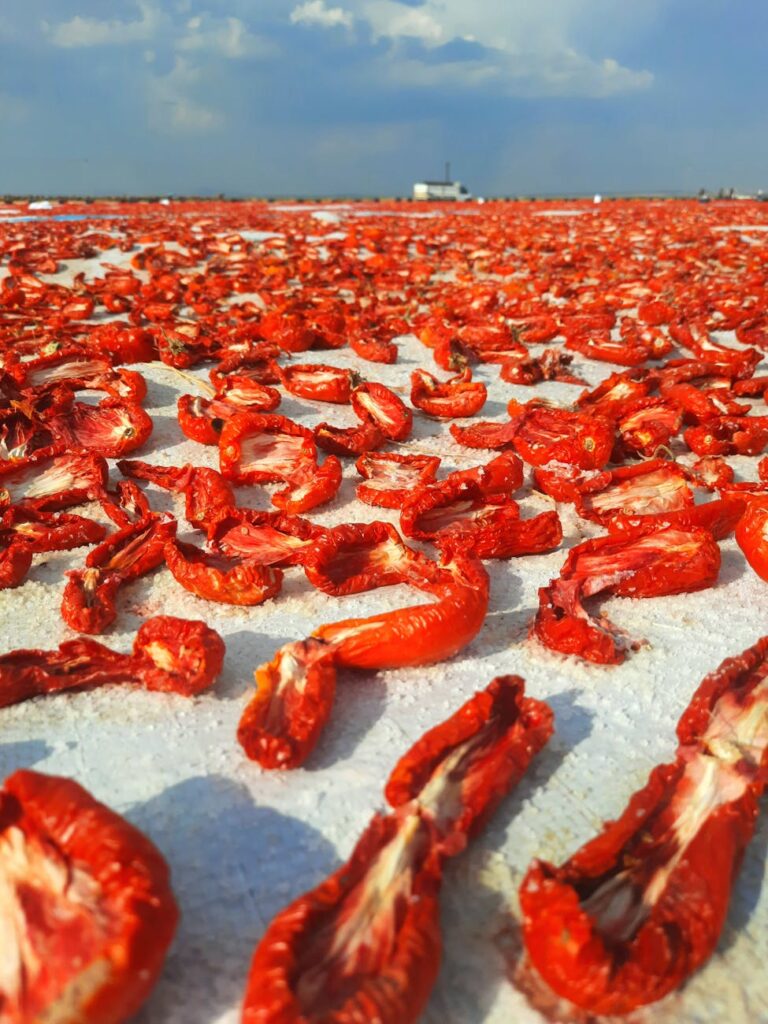
Best Climate for Growing Sun-Dried Tomatoes
Introduction
Sun-dried tomatoes, with their rich flavor and vibrant color, are a beloved ingredient in global cuisine. They serve as a versatile element in salads, pastas, and sauces, providing an intense burst of umami. However, the journey from vine to sun-dried delicacy is intricate and requires specific climatic conditions for optimal growth. This article delves into the best climate for growing sun-dried tomatoes, exploring the nuances of cultivation, processing, and the factors that influence quality.
What Is Growing?
Growing refers to the cultivation of plants, focusing on the conditions and practices necessary to support their development from seeds to mature plants. In the case of sun-dried tomatoes, the growing process involves selecting the right tomato varieties, preparing the soil, and ensuring optimal environmental conditions for growth. The ideal climate plays a pivotal role in achieving high-quality fruit, which is essential for further processing into sun-dried tomatoes.
History and Origins
The tradition of drying tomatoes dates back centuries, primarily in Mediterranean cultures where sun-drying was a natural method of preservation. The process allowed for surplus tomatoes to be stored for later use, particularly during the winter months when fresh produce was scarce. Originally, sun-dried tomatoes were crafted in sunny regions such as Italy and southern France, where the dry climate and abundant sunshine created ideal conditions for natural drying. This age-old technique has since spread globally, with variations in preparation and use that reflect local culinary traditions.
Production and Processing
Ideal Climate Conditions
The best climate for growing sun-dried tomatoes is characterized by:
- Warm Temperatures: Tomatoes thrive in temperatures ranging from 70°F to 85°F (21°C to 29°C). Excessively high temperatures, particularly above 90°F (32°C), can cause stress to the plants, leading to blossom drop and reduced yield.
- Low Humidity: A dry climate is essential for successful sun-drying. High humidity levels can hinder the drying process, leading to spoilage or mold growth. Regions with low humidity, such as the Mediterranean, are particularly well-suited.
- Full Sunlight: Tomatoes require a minimum of 6-8 hours of direct sunlight daily to produce high-quality fruit. Abundant sunlight not only enhances the flavor but also facilitates the drying process.
- Crop Rotation: Rotating tomato crops with other plants helps prevent soil depletion and reduces the risk of pests and diseases.
- Mulching: Applying organic mulch can help retain soil moisture, suppress weeds, and regulate soil temperature.
- Pest Management: Monitoring for common pests such as aphids and whiteflies is essential. Integrated pest management strategies should be employed to mitigate infestations without harming beneficial insects.
- Brightly Colored: A deep red hue indicates ripeness and flavor concentration.
- Plump and Moist: While the drying process reduces moisture content, high-quality sun-dried tomatoes should still retain some moisture for optimal texture and taste.
- Free from Defects: Any signs of spoilage or mold can significantly reduce the quality. Grading standards often classify sun-dried tomatoes based on appearance, texture, and flavor.
- Origin: Look for tomatoes that are grown in regions known for their sun-drying practices, such as Italy or California.
- Processing Method: Sun-dried tomatoes can be naturally dried under the sun or dehydrated using machines. Naturally dried tomatoes often have a superior flavor.
- Ingredients: Check for added preservatives or oils. Ideally, sun-dried tomatoes should consist solely of tomatoes, with minimal additives.
- Packaging: Ensure that the packaging is intact and free from moisture, as this can affect the quality and freshness.
- Salads: Their concentrated flavor adds depth to fresh greens and grains.
- Pasta Dishes: Tossing sun-dried tomatoes into pasta dishes enhances flavors and adds a chewy texture.
- Sauces and Pestos: They can be pureed into sauces or blended into pestos for a rich, tangy kick.
- Breads and Baked Goods: Incorporating sun-dried tomatoes into breads or focaccia provides an aromatic flavor profile.
- Refrigeration: Store opened packages in the refrigerator to slow down spoilage.
- Freezing: For long-term storage, sun-dried tomatoes can be frozen. It is advisable to portion them into smaller amounts for ease of use.
- Oil Preservation: Some choose to store sun-dried tomatoes in oil, which can enhance flavor and texture. However, ensure that the oil is kept sealed and refrigerated to prevent rancidity.
Soil Requirements
Soil quality is equally important. Well-draining, loamy soil enriched with organic matter is optimal for growing tomatoes. The soil pH should be slightly acidic to neutral, ideally between 6.0 and 6.8. Adequate drainage is crucial to prevent root rot, especially in regions where rainfall may be unpredictable.
Growing Practices
Effective growing practices include:
Quality and Grading
The quality of sun-dried tomatoes is influenced by several factors, including the variety of tomato used, the growing conditions, and the drying method. High-quality sun-dried tomatoes are typically:
Buying Considerations
When purchasing sun-dried tomatoes, whether fresh or packaged, consider the following:
Uses and Applications
Sun-dried tomatoes are incredibly versatile in culinary applications, including:
Storage and Shelf Life
Proper storage is crucial for maintaining the quality of sun-dried tomatoes. Unopened packages can typically last up to a year when stored in a cool, dark place. Once opened, they should be consumed within a few weeks. To extend shelf life, consider the following: