
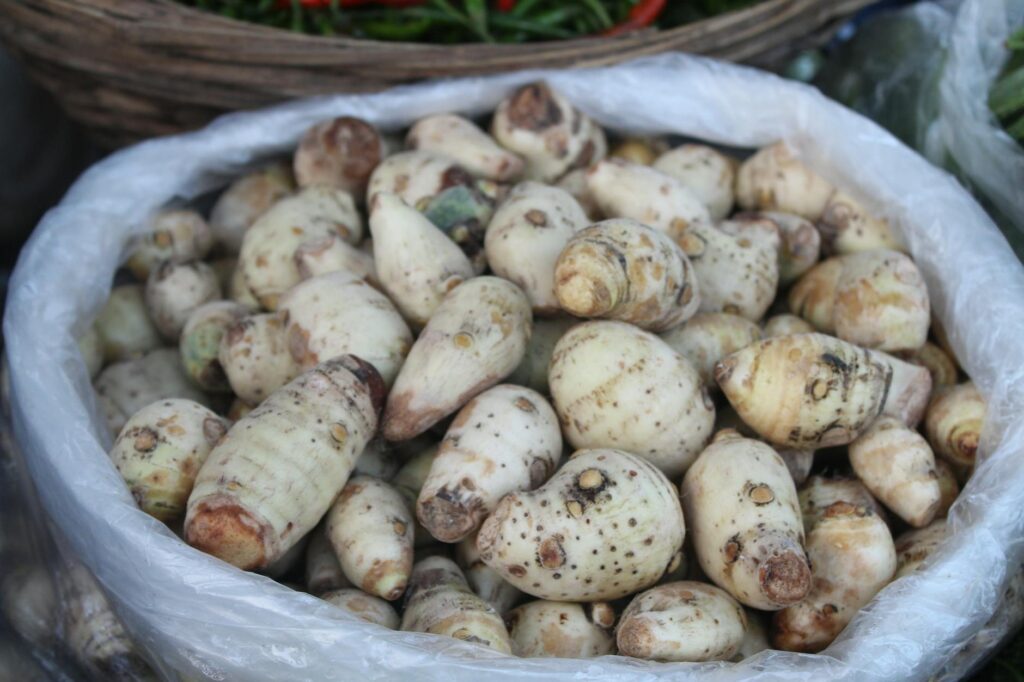
Best Climate for Growing Taro
Introduction
Taro (Colocasia esculenta) is a tropical root vegetable with a rich history and a significant role in various cuisines around the world. Known for its starchy, tuberous corms, taro is not only a staple food in many cultures but also a versatile ingredient in culinary applications. Understanding the best climate for growing taro is essential for farmers and gardeners seeking to cultivate this unique crop successfully. This article delves into the optimal conditions for growing taro, its history, production methods, and much more.
What Is Growing?
Growing refers to the process of cultivating plants, encompassing various factors such as soil preparation, planting, nurturing, harvesting, and post-harvest handling. In the case of taro, growing involves understanding its specific climate and environmental needs to ensure optimal growth and yield. This includes factors such as temperature, humidity, soil type, and water requirements.
History and Origins
Taro has a long and storied history that dates back thousands of years. It is believed to have originated in Southeast Asia and the Indian subcontinent, where it has been cultivated for over 5,000 years. Taro’s adaptation to different climates facilitated its spread across tropical regions, including the Pacific Islands, Africa, and the Caribbean. In many cultures, taro holds significant cultural and spiritual value, often featured in traditional ceremonies and rituals.
Production and Processing
Taro thrives in warm, humid conditions and is typically grown in tropical and subtropical regions. The ideal temperature range for growing taro is between 25°C to 30°C (77°F to 86°F). Taro can be cultivated in a variety of soils, but it prefers well-draining, loamy soils rich in organic matter.
Water Requirements
Taro is a semi-aquatic plant that requires a substantial amount of water for optimal growth. Fields are often flooded during the growing season, which helps in maintaining the necessary moisture levels. However, proper drainage is equally crucial to avoid waterlogging, which can lead to root rot and other diseases.
Planting
Propagation is usually done through corms or suckers. Corms should be planted in well-prepared soil, ideally in rows to facilitate maintenance and harvesting. The planting depth should be around 10 to 15 cm (4 to 6 inches) to promote healthy root development.
Harvesting
Harvesting typically occurs 7 to 12 months after planting, depending on the variety and growing conditions. Corms can be harvested when they reach a suitable size; however, leaving them in the ground for longer can yield larger corms. Care should be taken during harvesting to avoid damaging the corms, which can affect their quality during storage.
Quality and Grading
The quality of taro is determined by several factors, including size, shape, and the absence of blemishes or diseases. When grading taro, larger corms are generally preferred, as they offer better yield and economic return. Quality control during both production and post-harvest processing is vital to ensure that only the best products reach consumers.
Buying Considerations
When purchasing taro, consider the following aspects to ensure quality:
- Appearance: Look for firm, smooth corms without soft spots or blemishes.
- Size: Larger corms may be more desirable, but smaller ones can be equally nutritious.
- Freshness: Taro should feel heavy for its size and have a fresh, earthy aroma.
- Source: Opt for organic or locally grown taro when possible, as these are often fresher and more flavorful.
- Taro is best planted at the beginning of the rainy season when soil moisture levels are optimal for growth.
- While taro thrives in tropical climates, it can be grown in subtropical regions with adequate warmth and moisture, although it may require special care.
- Fresh taro should feel firm and heavy, with smooth skin and no signs of decay.
- Yes, taro is naturally gluten-free and can be a suitable substitute for gluten-containing ingredients.
Uses and Applications
Taro is highly versatile and can be used in various culinary applications. It can be boiled, baked, or mashed, and is often employed in both savory and sweet dishes. In many cultures, taro is ground into flour, used to make desserts, or incorporated into soups and stews. Its unique flavor and texture make it a popular ingredient in Asian, Pacific Islander, and Caribbean cuisines.
Storage and Shelf Life
Proper storage is crucial for maintaining the quality of taro. Fresh corms can be stored in a cool, dark place with good ventilation. They should not be refrigerated, as cold temperatures can adversely affect their texture and flavor. Under optimal conditions, taro can last for several weeks. However, once cooked, taro should be consumed within a few days to prevent spoilage.
Common Misconceptions
Despite its popularity, several misconceptions exist about taro:
1. Taro is a Potato: While both taro and potatoes are starchy root vegetables, they belong to different plant families and have distinct flavors and nutritional profiles.
2. All Taro is Edible: Some varieties of taro contain calcium oxalate crystals, which can cause irritation if consumed raw. Proper cooking eliminates this concern.
3. Taro is Difficult to Grow: Although taro requires specific conditions, with the right climate and care, it can be successfully cultivated even by novice gardeners.
Frequently Asked Questions
1. What is the best time of year to plant taro?
2. Can taro be grown in non-tropical climates?
3. How can I tell if taro is fresh?
4. Is taro gluten-free?
5