
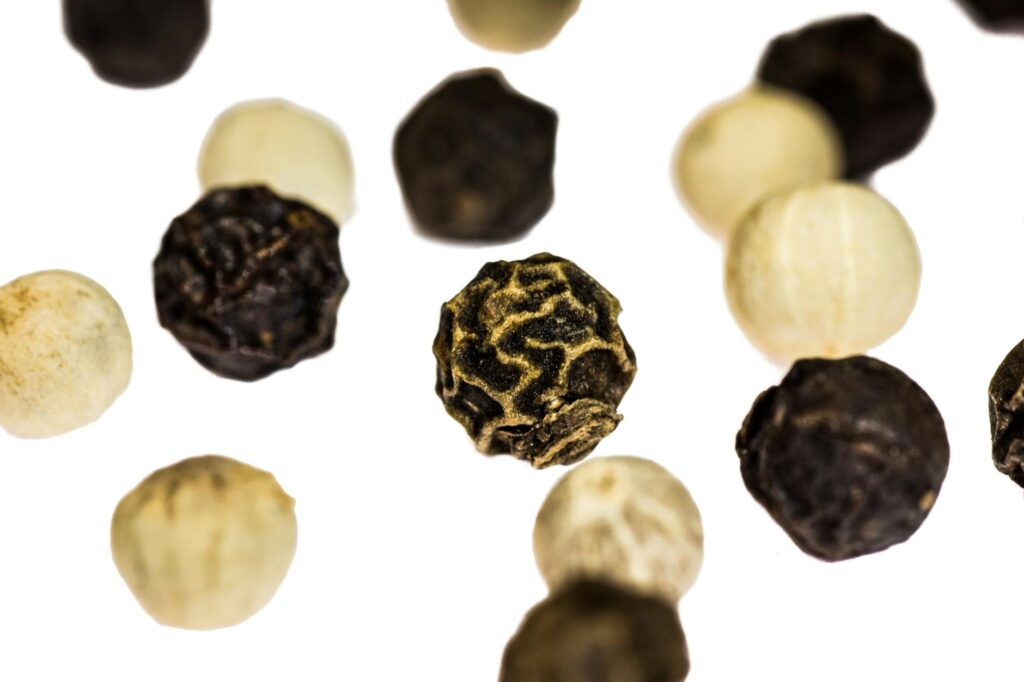
Black Pepper About Guide Part 6
Introduction
Black pepper, often referred to as the “king of spices,” is one of the most ubiquitous and celebrated ingredients in culinary traditions across the globe. Known for its pungent aroma and complex flavor profile, black pepper has played a crucial role in enhancing dishes, preserving foods, and even influencing trade routes throughout history. This guide aims to provide an in-depth understanding of black pepper, covering its history, production, quality factors, applications, and more.
What Is About?
In the context of black pepper, “about” refers to the comprehensive exploration of the spice—from its origins and cultivation practices to its uses and common misconceptions. Understanding the nuances of black pepper not only enhances culinary knowledge but also enriches the appreciation for this essential ingredient.
History and Origins
Black pepper (Piper nigrum) is native to the Malabar Coast of India and has been cultivated for thousands of years. Its use can be traced back to ancient civilizations, notably in India, where it was highly valued not just for its culinary applications but also for its purported medicinal properties.
The spice’s prominence grew significantly during the Middle Ages, making it a valuable commodity in trade. It was one of the key drivers of the spice trade, leading to the establishment of trade routes connecting Europe and Asia. In the 15th and 16th centuries, European explorers sought to discover new paths to the spice-rich East, ultimately leading to the discovery of the Americas.
By the 19th century, black pepper cultivation had spread to various tropical regions, including Southeast Asia, Africa, and South America. Today, Vietnam is the largest producer of black pepper, followed by India, Brazil, and Indonesia, highlighting the spice’s global significance.
Production and Processing
The production of black pepper involves several stages, from cultivation to processing.
Cultivation
Black pepper is typically grown in tropical climates, requiring conditions such as high humidity and well-drained, fertile soil. The plant is a perennial vine that climbs on trees or supports, and it can reach heights of up to 10 meters.
Propagation often occurs through cuttings from mature plants, with planting usually taking place at the beginning of the monsoon season. The plants take about three to four years to mature and start bearing fruit.
Harvesting
The fruit of the black pepper plant, known as peppercorns, are small berries that change color as they ripen. Harvesting occurs when the berries are still green and immature. This stage is crucial, as it ensures the pepper retains its flavor and pungency. The berries are typically picked by hand, and the harvest is often done in multiple rounds to ensure optimal ripeness.
Processing
Once harvested, the green berries undergo processing to create black pepper. The most common method involves boiling the berries briefly and then drying them in the sun or using mechanical dryers. This process causes the outer skin to shrivel and darken, resulting in the characteristic black appearance of the spice.
Other types of peppercorns, such as white and green pepper, are produced through different processing methods. White pepper, for instance, is made from fully ripened berries that are soaked to remove the outer layer, while green pepper is harvested at the same stage as black pepper but is preserved in brine or vinegar.
Quality and Grading
The quality of black pepper depends on several factors, including flavor, aroma, and appearance. Pepper grading systems can vary by region, but common criteria include:
- Size and Uniformity: Higher-quality black peppercorns are typically larger and more uniform in size, indicating careful selection during harvest.
- Aroma and Flavor: The essential oil content in black pepper significantly influences its flavor profile. Premium-grade peppercorns have a strong, aromatic scent and a complex, spicy flavor.
- Color and Texture: Quality black pepper should have a rich black color, with a slightly wrinkled texture. Smooth, shiny peppercorns may indicate lower quality or poor processing.
- Seasoning: It is a fundamental seasoning in various cuisines, enhancing the flavor of meats, vegetables, and grains.
- Preservation: Historically, black pepper was used as a preservative due to its antimicrobial properties, making it valuable in food preservation techniques.
- Flavoring: In addition to savory dishes, black pepper is sometimes used in sweet applications, such as desserts and beverages, where it adds an unexpected spice.
- Infusions: Black pepper is often used in infusions for oils, vinegars, and spirits, contributing depth and complexity to these products.
In international trade, black pepper is often graded as “Tellicherry” or “Malabar” (named after regions in India), with Tellicherry being considered a superior grade.
Buying Considerations
When purchasing black pepper, several considerations can enhance the quality of your culinary experiences:
1. Type of Pepper: Understand the difference between whole peppercorns, ground pepper, and other varieties. Whole peppercorns retain flavor longer, while ground pepper is more convenient but loses potency quickly.
2. Freshness: Opt for freshly ground pepper whenever possible. Whole peppercorns can be stored for longer periods without significant loss of flavor.
3. Source: Look for reputable sources or brands that prioritize quality control in their production processes. Organic and sustainably sourced options can also be beneficial for both health and environmental reasons.
4. Packaging: Check for airtight packaging that protects against moisture and light, both of which can degrade the quality of black pepper over time.
5. Origin: Be aware of the origin of the black pepper, as certain regions produce distinct flavor profiles that may enhance specific dishes.
Uses and Applications
Black pepper is incredibly versatile, finding its way into a myriad of culinary applications:
Beyond culinary uses, black pepper also holds cultural significance in