
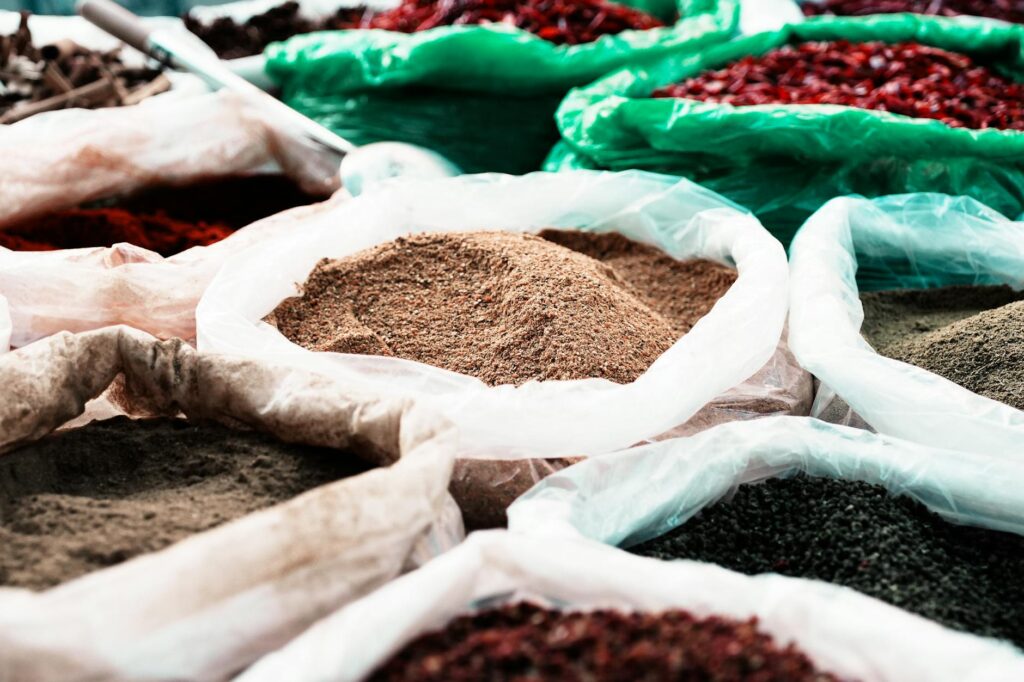
Black Pepper Around the World
Introduction
Black pepper (Piper nigrum), often referred to as the “King of Spices,” is a ubiquitous culinary ingredient that has shaped global cuisine for centuries. Its distinctive heat and aromatic qualities make it a staple in kitchens worldwide, but its significance extends far beyond flavor. This article delves into the regions associated with black pepper, exploring its history, production, uses, and other essential aspects that contribute to its status as one of the most valuable spices in the world.
What Is Regions?
In the context of black pepper, “regions” refers to the geographical areas where it is cultivated, processed, and traded. These regions have distinct climatic conditions, soil types, and cultural practices that influence the characteristics of the pepper produced. Understanding these regions is crucial for appreciating the diversity of black pepper, as its flavor profile and quality can vary significantly based on its origin.
History and Origins
Black pepper has a storied history that dates back thousands of years. Native to the Malabar Coast of India, it was a highly sought-after commodity in ancient trade routes, linking the East to the West. The spice was so valuable that it was often referred to as “black gold,” and it played a pivotal role in the Age of Exploration during the 15th and 16th centuries.
Merchants and explorers sought to control the trade of black pepper, leading to the establishment of colonial powers in India, Indonesia, and other regions. The spice was not only used to enhance food but also served as a form of currency and a symbol of wealth. Today, countries such as Vietnam, India, and Brazil are among the largest producers of black pepper, each contributing unique characteristics to the spice through their regional growing practices.
Production and Processing
Black pepper is cultivated in tropical climates, primarily in regions with high humidity and well-drained soil. The plant thrives in areas with consistent rainfall and temperatures between 25°C to 30°C (77°F to 86°F).
Major Producing Regions
1. India: Known as the birthplace of black pepper, India accounts for a significant portion of global production. The state of Kerala, particularly the Malabar region, is renowned for its high-quality pepper. Indian black pepper is characterized by its robust flavor and aromatic profile.
2. Vietnam: Currently the largest exporter of black pepper, Vietnam has gained prominence in the global spice market due to its efficient farming practices and favorable climatic conditions. The pepper from this region is often described as having a milder flavor compared to Indian varieties.
3. Brazil: As a growing player in the black pepper market, Brazil has made strides in production, particularly in the states of Espírito Santo and Bahia. Brazilian black pepper is known for its strong aroma and slightly pungent taste.
4. Indonesia: The Indonesian islands of Sumatra and Sulawesi produce a distinct variety of black pepper that is often noted for its earthy and sweet undertones.
Harvesting and Processing
Black pepper is harvested when the berries are still green and unripe. After harvesting, the berries undergo a process of cooking, fermentation, and drying. The cooking process involves blanching the berries in hot water to facilitate the removal of the outer skin and to enhance the flavor. The dried berries are then graded according to size, color, and quality.
Quality and Grading
The quality of black pepper is determined by several factors, including the size of the berries, their color, and the level of moisture content. Grading standards vary by country, but a commonly accepted grading system includes:
- Tellicherry: Considered the highest quality, Tellicherry black pepper is grown in India and is known for its large size, rich flavor, and aromatic complexity.
- Malabar: This grade refers to black pepper sourced from the Malabar coast of India, with a robust flavor and dark color.
- Vietnamese Black Pepper: Often categorized by its size and pungency, Vietnamese pepper is recognized for its consistency and availability.
- Lampong: Sourced from Indonesia, Lampong black pepper is known for its strong aroma and slightly sweet taste.
- Culinary: Enhancing the flavor of meats, vegetables, sauces, and soups. It is a fundamental ingredient in spice blends and marinades.
- Preservation: Historically, black pepper has been used to preserve food due to its antimicrobial properties.
- Fermentation: It can be employed in the fermentation of various food products, adding depth to flavors.
- Beverages: Certain cultures incorporate black pepper into drinks, where it adds warmth and complexity.
- Container: Store black pepper in a dark, airtight container to protect it from moisture and light.
- Location: Keep the container in a cool, dry place, away from heat sources and direct sunlight.
- Shelf Life: Whole peppercorns can last up to three to four years if stored correctly, while ground black pepper has a shorter shelf life of around six months to one year.
- Black pepper is harvested when the berries are still green and unripe, then dried. White pepper is made from mature berries with the outer skin removed, while green pepper is harvested unripe and preserved in brine or freeze-dried.
- The best black pepper often comes from regions like Kerala in India (Tellicherry), Vietnam, and Indonesia. Each area offers distinct flavors and qualities.
- If black pepper loses its aroma and flavor or develops an off smell, it is likely past its prime and should be replaced.
- Yes, black pepper can enhance sweet dishes, adding depth and complexity, particularly in fruit-based desserts.
- Black pepper has a distinctive heat but is different from chili peppers. Its spiciness is often described as warm rather than burning.
- For the freshest flavor, use a pepper mill or grinder to grind black pepper just before adding it to your dish. Adjust the coarseness based on the recipe requirements.
Buying Considerations
When purchasing black pepper, several factors should be considered to ensure quality and authenticity:
1. Type of Pepper: Understand the differences between black, white, green, and pink peppercorns. Black pepper is the dried, unripe berry, while white pepper is the mature berry with the outer skin removed.
2. Source: Opt for reputable brands that provide information about the origin of their pepper. Single-origin products often promise higher quality.
3. Form: Black pepper is available in whole, cracked, and ground forms. Whole peppercorns retain their flavor longer and can be ground as needed for maximum freshness.
4. Packaging: Look for airtight packaging that protects the spice from moisture and light, both of which can degrade quality.
5. Certification: Organic certification can be an indicator of quality and sustainability, ensuring that the pepper is grown without synthetic pesticides and fertilizers.
Uses and Applications
Black pepper is an incredibly versatile spice with applications that extend far beyond seasoning. It is used in:
Additionally, black pepper is often paired with complementary flavors like garlic, lemon, and herbs, allowing it to enhance the overall profile of a dish.
Storage and Shelf Life
To maintain the quality of black pepper, proper storage is essential. Here are some guidelines:
Common Misconceptions
1. All Black Pepper Is the Same: Many consumers believe that all black pepper is uniform in flavor and quality. In reality, the origin, variety, and processing methods significantly influence its characteristics.
2. Ground Pepper Is Always Better: While ground black pepper is convenient, whole peppercorns retain flavor longer. Grinding fresh pepper enhances the aroma and taste of dishes.
3. Black Pepper Is Just for Savory Dishes: While commonly used in savory cooking, black pepper can also complement sweet dishes, such as desserts and fruit salads, adding an unexpected layer of flavor.
Frequently Asked Questions
1. What is the difference between black, white, and green pepper?
2. Where is the best black pepper grown?
3. How can I tell if my black pepper has gone bad?
4. Can I use black pepper in sweet dishes?
5. Is black pepper spicy?
6. How should I grind black pepper for cooking?
In conclusion, black pepper’s journey from ancient trade routes to modern culinary practices highlights its global significance. By understanding its regions, history, production, and qualities, one can appreciate the complexity of this remarkable spice that continues to enhance our culinary experiences around the world.