
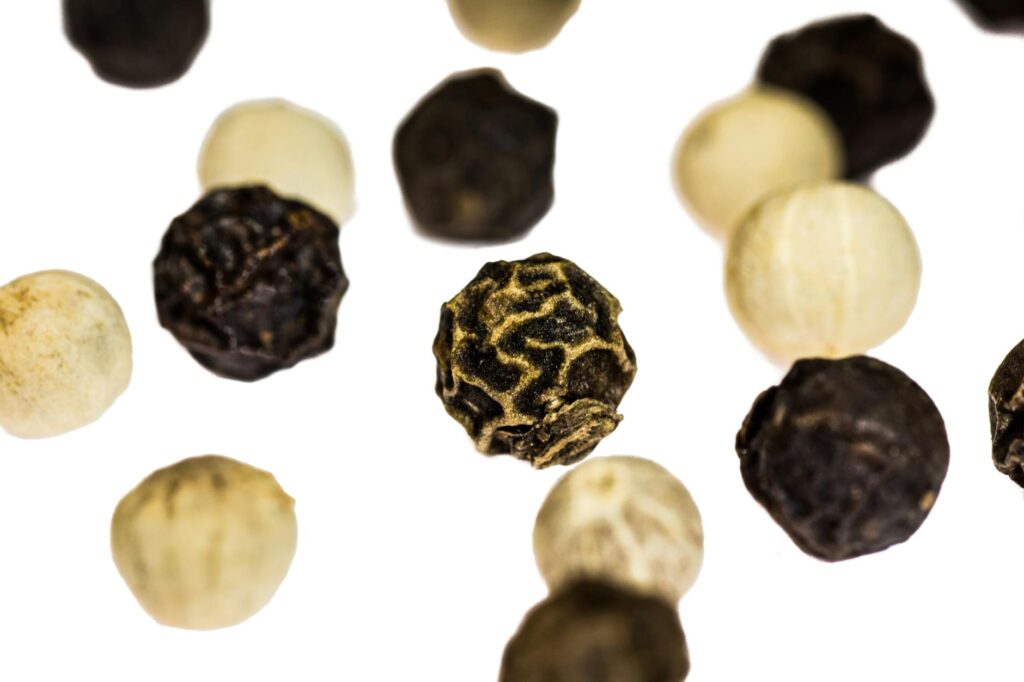
Black Pepper Buying Guide Part 6
Introduction
Black pepper, known scientifically as Piper nigrum, is one of the most widely used spices around the world. Often referred to as the “King of Spices,” its pungent flavor and versatility make it an essential ingredient in a variety of cuisines. This guide aims to provide comprehensive insights into the buying process for black pepper, covering everything from its historical significance to practical buying considerations and storage techniques.
What Is Buying?
In the context of food ingredients, buying refers to the process of selecting, sourcing, and acquiring products for culinary use. This involves understanding the quality, origin, and characteristics of the ingredient to make informed purchasing decisions. When it comes to black pepper, buyers must consider various factors, including the type of pepper, its processing methods, and how these elements influence flavor and quality.
History and Origins
Black pepper has a rich history that dates back thousands of years. Native to the Malabar Coast of India, it was highly valued in ancient times, often used as a currency and a symbol of wealth. The spice trade routes that developed around black pepper contributed significantly to global trade dynamics, leading to the establishment of various trading empires. By the Middle Ages, it had become a staple in European kitchens, and its demand fueled explorations that connected the East and West.
The cultivation of black pepper spread beyond India over time, reaching regions like Indonesia, Vietnam, and Brazil, making it a truly global commodity. Today, Vietnam is the largest producer of black pepper, followed by India and Brazil, among others.
Production and Processing
The production of black pepper involves several critical steps, from cultivation to processing.
Cultivation
Black pepper grows on a climbing vine that thrives in tropical climates. It requires a warm, humid environment with well-drained soil. The peppercorns are harvested when they are still green and unripe, usually about 6-7 months after flowering.
Harvesting
Harvesting typically involves handpicking the pepper berries, which are then processed shortly after to preserve their flavor and quality. This process can vary, but it often includes drying the berries in sunlight or using mechanical dryers.
Processing
Once harvested, black pepper undergoes several processing stages to achieve the characteristic black appearance. The green berries are soaked in water and then cooked briefly to enhance the flavor. Afterward, they are dried, during which the outer layer of the berry darkens and shrinks, resulting in the familiar wrinkled texture.
The process of fermentation can also influence the flavor profile. The more traditional methods yield a more complex flavor, while industrial processes may focus on efficiency over taste.
Quality and Grading
Quality is a crucial aspect when purchasing black pepper, as it directly impacts flavor, aroma, and overall culinary experience. Black pepper is often graded based on several factors:
Appearance
High-quality black peppercorns should be whole, uniform in size, and free from defects such as mold or excessive broken pieces.
Aroma and Flavor
A robust, pungent aroma is indicative of fresh black pepper. When evaluating flavor, consider the balance of heat and complexity; high-quality pepper should have a bright, biting heat with earthy undertones.
Grading Systems
Different countries may have specific grading systems for black pepper. For example, in India, grades such as “Malabar” or “Tellicherry” indicate quality and origin, with Tellicherry often being considered superior due to its larger size and more complex flavor profile.
In international markets, look for certifications or labels that indicate quality standards, such as organic or sustainably sourced.
Buying Considerations
When purchasing black pepper, several important considerations can help ensure that you select the best product for your needs.
Type of Black Pepper
There are various forms of black pepper available, including whole peppercorns, cracked pepper, and ground pepper. Whole peppercorns tend to retain their flavor longer than pre-ground varieties, making them a better choice for those who prioritize freshness.
Source and Origin
Knowing the origin of black pepper can provide insights into its flavor profile and quality. For instance, Tellicherry pepper from India is often sought after for its superior taste. Consider sourcing from reputable suppliers who can provide detailed information about the pepper’s origin and cultivation practices.
Freshness
Freshness is paramount when it comes to spices. Look for packaging dates or “best by” dates to ensure you are buying the freshest possible product.
Packaging
Opt for black pepper that is stored in opaque, airtight containers to protect it from light and moisture, which can degrade flavor. Glass jars or vacuum-sealed bags are ideal choices.
Price
While price can be an indicator of quality, it’s important to strike a balance between cost and the quality of the product. Higher-priced varieties may offer superior flavor and freshness.
Uses and Applications
Black pepper is a versatile ingredient widely used across various cuisines. Its applications extend beyond simple seasoning to more complex roles:
Culinary Uses
- Seasoning: Black pepper is commonly used to enhance the flavor of meats, vegetables, and sauces.
- Marinades: Its pungency makes it an excellent component in marinades and rubs.
- Condiments: Freshly cracked black pepper is often used in salad dressings and dips.
- Cool, Dry Place: Store black pepper in a cool, dry environment away from direct sunlight.
- Airtight Containers: Use airtight containers to prevent moisture and air exposure, which can lead to loss of flavor.
Non-Culinary Uses
In addition to culinary applications, black pepper is utilized in various industries, including perfumery and cosmetics, due to its aromatic qualities.
Storage and Shelf Life
Proper storage is essential for maintaining the quality and longevity of black pepper.
Storage Conditions
Shelf Life
Whole