
Black Pepper Buying Guide Part 7
Introduction
Black pepper, often referred to as the “king of spices,” is one of the most traded spices globally. Its unique flavor and aroma have made it a staple in kitchens worldwide. As culinary enthusiasts and chefs strive to elevate their dishes, understanding how to buy black pepper is crucial. This guide aims to provide a comprehensive overview of the buying process, including considerations, quality grading, and storage techniques, ensuring that you make informed choices when selecting this essential ingredient.
What Is Buying?
Buying, in the context of food ingredients, refers to the process of selecting and purchasing items based on various factors, including quality, price, origin, and intended use. For black pepper, this means understanding the different types available, their flavor profiles, and how these can influence the outcome of your culinary endeavors. Being an informed buyer enables you to select the best products that align with your cooking needs and preferences.
History and Origins
Black pepper has a rich history that dates back thousands of years. Native to the Malabar Coast of India, it has been used as both a spice and a preservative. The spice was so valuable that it was often referred to as “black gold,” and it played a significant role in the spice trade, influencing exploration and trade routes. Ancient civilizations, including the Romans and Greeks, used black pepper for culinary and medicinal purposes.
As trade expanded, black pepper made its way to Europe, where it became a sought-after commodity. The demand for black pepper led to European colonial expansion into regions like India and Southeast Asia, where it is primarily cultivated today. The spice’s historical significance enriches its presence in modern cuisine, making it a vital ingredient worldwide.
Production and Processing
Black pepper is derived from the berries of the Piper nigrum plant. The production process begins with the careful cultivation of the plant, which thrives in tropical climates. Harvesting typically occurs when the berries start turning red, indicating ripeness. The berries are then picked and processed through a series of steps:
1. Fermentation: Freshly harvested berries are soaked in water for several days to encourage fermentation, which enhances flavor and facilitates skin removal.
2. Drying: After fermentation, the berries are dried in the sun or using mechanical dryers. The drying process causes the outer layer to shrivel and turn black, giving black pepper its characteristic appearance.
3. Sorting and Grading: Once dried, the peppercorns are sorted based on size and quality. High-quality peppercorns are usually larger and have a more potent flavor.
4. Packaging: Finally, the processed pepper is packaged for distribution, often in whole or ground form.
Quality and Grading
Quality is a critical aspect to consider when buying black pepper. Various grading systems exist, depending on the region of production. The most common factors influencing quality include:
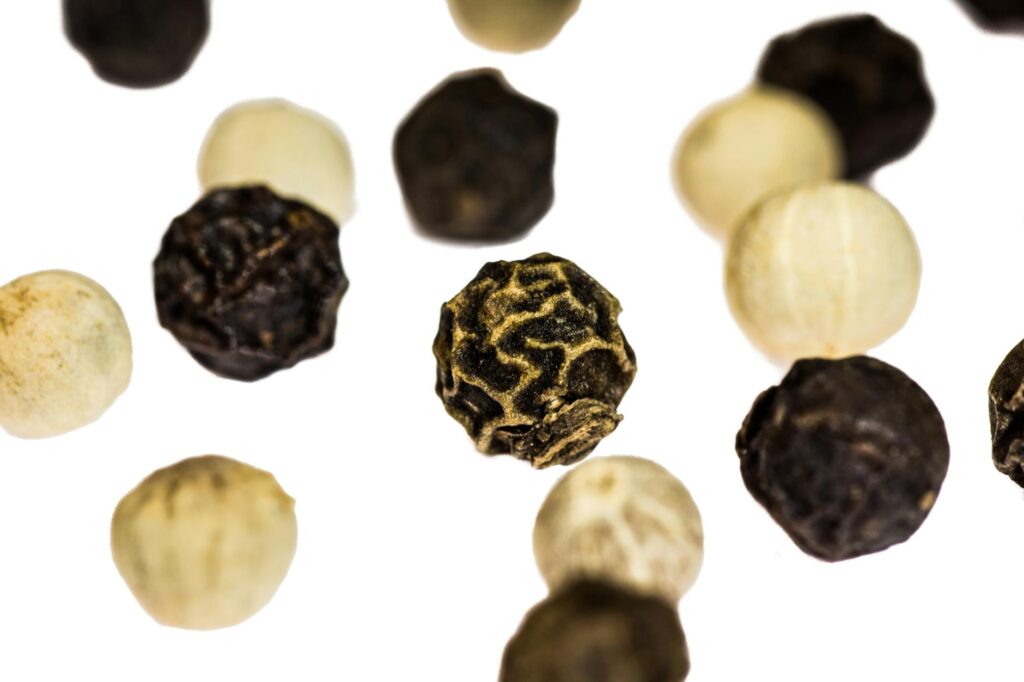
1. Appearance: High-quality black peppercorns should be whole, firm, and have a consistent dark color. Avoid any that are broken, shriveled, or have an off-color.
2. Aroma: Fresh black pepper should emit a strong, pungent aroma. If the scent is weak or stale, it may indicate old stock or poor quality.
3. Taste: Flavor intensity varies; however, high-quality black pepper should have a robust, spicy kick with a hint of earthiness.
Common grading terms include:
- Tellicherry: Considered some of the best black pepper, these peppercorns are larger and more flavorful.
- Malabar: Sourced from the Malabar Coast, these peppercorns are often less pungent than Tellicherry.
- Lampong: Originating from Indonesia, these are known for their unique, fruity flavor profile.
- Seasoning: Sprinkled on dishes before or after cooking to add a spicy kick.
- Marinades: Combined with other spices and acids to infuse flavor into meats and vegetables.
- Soups and Sauces: Adds depth to broths, sauces, and gravies.
- Baking: Used sparingly in sweet baked goods to provide a unique flavor contrast.
It is advisable to purchase black pepper from reputable suppliers who can provide information about the origin and grading of their product.
Buying Considerations
When purchasing black pepper, several factors should be taken into account:
1. Form: Decide whether you want whole peppercorns or ground black pepper. Whole peppercorns tend to retain flavor longer and can be freshly ground for a more intense taste.
2. Origin: Different regions produce pepper with distinct flavor profiles. Familiarize yourself with the characteristics of pepper from various countries to find the one that suits your palate.
3. Packaging: Opt for products in airtight containers to minimize exposure to air and moisture, which can degrade the quality. Whole peppercorns generally have a longer shelf life compared to ground pepper.
4. Sourcing: Consider buying from suppliers who prioritize sustainable farming practices, as this can impact both quality and the environment.
5. Price: While it may be tempting to opt for the cheapest option, investing in high-quality black pepper can greatly enhance your culinary creations.
Uses and Applications
Black pepper is a versatile ingredient used in a plethora of culinary applications. It can enhance the flavor of meats, vegetables, and sauces. Additionally, it is often used in spice blends and marinades. Some common applications include:
Beyond its culinary uses, black pepper is also employed in pickling and canning due to its preservative qualities.
Storage and Shelf Life
Proper storage is essential for maintaining the flavor and quality of black pepper. Here are some guidelines:
1. Whole Peppercorns: Store in an airtight container in a cool, dark place. When stored correctly, whole peppercorns can