
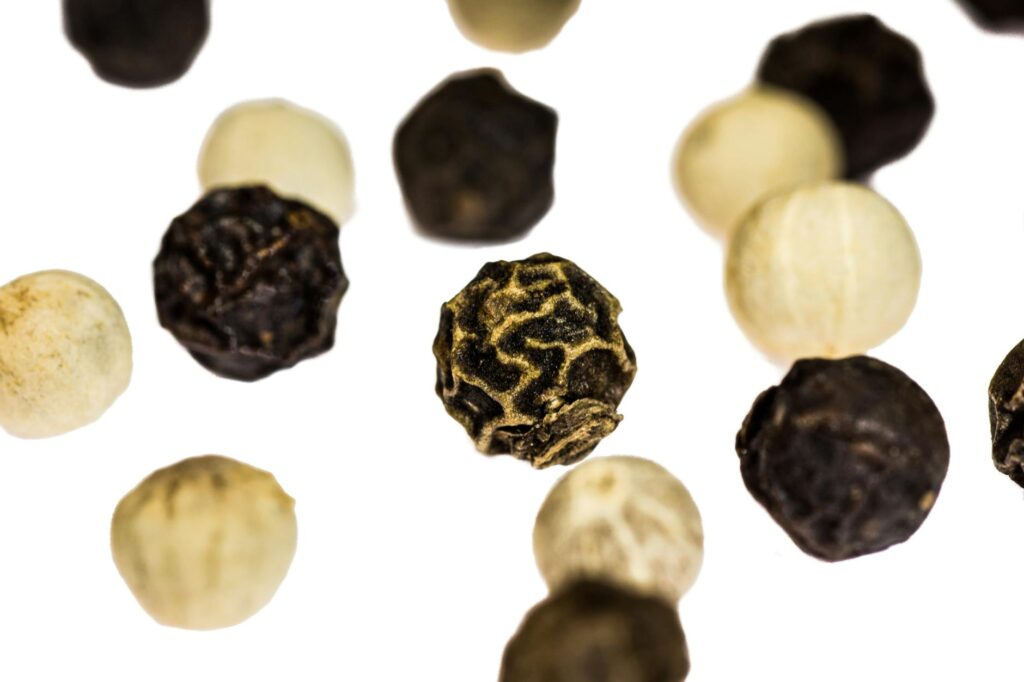
Black Pepper Growing Guide Part 6
Introduction
Black pepper, scientifically known as Piper nigrum, is one of the most widely used spices worldwide. Revered for its pungent flavor and aromatic qualities, black pepper has played a significant role in culinary traditions across cultures. This guide delves into the intricacies of growing black pepper, exploring its history, production processes, quality grading, and more. Understanding these elements is crucial for anyone interested in cultivating this valuable spice.
What Is Growing?
In the context of black pepper, “growing” refers to the entire lifecycle of the plant, from seed germination to harvest. Growing black pepper involves specific agricultural practices, environmental considerations, and knowledge of cultivation techniques. The aim is to produce a high-quality product that meets market demands while ensuring sustainability.
History and Origins
Black pepper has a long and storied history, tracing its origins to the Malabar Coast of India. It has been cultivated for over 4,000 years, making it one of the oldest spices in recorded history. The spice was highly valued in ancient times, often referred to as “black gold,” and played a significant role in trade between Europe and Asia.
The ancient Greeks and Romans prized black pepper, which contributed to its status as a luxury item. By the Middle Ages, it became a key driver of the spice trade, leading to the exploration of new trade routes. Today, India remains the largest producer of black pepper, followed by countries like Vietnam, Indonesia, and Brazil.
Production and Processing
Cultivation Techniques
Growing black pepper requires a tropical climate, ideally with temperatures ranging from 25°C to 30°C (77°F to 86°F). The plant thrives in well-drained, loamy soil rich in organic matter. It is typically grown as a vine, climbing on support structures like trees or trellises.
Planting
Black pepper is propagated through cuttings or seeds. While seeds can be sown directly in the soil, cuttings are more commonly used due to their higher success rates. These cuttings should be taken from healthy, mature plants and planted in a nursery for rooting before being transferred to the field.
Care and Maintenance
Watering: Regular watering is essential, especially during dry spells. However, excessive water can lead to root rot, making proper drainage crucial.
Fertilization: Nutrient management is vital for optimal growth. Organic fertilizers, such as compost or well-rotted manure, are encouraged to enhance soil fertility.
Pruning: Pruning helps maintain the shape of the plant and encourages healthy growth. Regularly removing dead or diseased branches can improve airflow and reduce the risk of fungal infections.
Harvesting
Harvesting black pepper typically occurs when the berries are still green but have begun to change color. This usually happens about 6-8 months after flowering. The berries are picked by hand, often in clusters, and should be processed promptly to prevent spoilage.
Processing
Once harvested, black pepper undergoes several processing steps:
1. Cleaning: The berries are washed to remove dirt and debris.
2. Boiling: They are briefly boiled to enhance the flavor and facilitate drying.
3. Drying: The berries are then spread out in the sun to dry, which turns them dark and wrinkled.
4. Grading: Finally, the dried pepper is sorted based on size and quality before packaging.
Quality and Grading
The quality of black pepper is determined by several factors, including size, color, aroma, and flavor. It is typically graded based on these characteristics:
1. Whole Peppercorns: The highest quality grades consist of whole peppercorns, which retain their essential oils and flavor.
2. Cracked or Ground Pepper: Lower grades may include cracked or ground pepper, which can lose potency over time.
3. Moisture Content: High-quality black pepper should have a moisture content of less than 12%, as excess moisture can lead to spoilage.
Grading systems can vary by country, but generally, the best grades will command higher prices in the market.
Buying Considerations
When purchasing black pepper, several factors should be taken into account:
Origin
The geographical origin of black pepper can significantly influence its flavor profile. Indian black pepper is typically more robust, while Vietnamese varieties may offer a milder taste. Understanding the source can guide buyers in selecting the right type for their needs.
Freshness
Freshly ground black pepper delivers the best flavor. Whole peppercorns should be preferred over pre-ground options, as they retain their essential oils longer.
Packaging
Quality packaging is essential for preserving the aroma and flavor of black pepper. Look for airtight containers that protect against light and moisture.
Certifications
Consider products with certifications such as organic or fair trade. These certifications often indicate higher quality and sustainable farming practices.
Uses and Applications
Black pepper is not just a seasoning; it is a versatile ingredient used in various culinary applications. Its pungent flavor and aromatic qualities enhance a wide range of dishes, from savory to sweet.
Culinary Uses
- Seasoning: Black pepper is a staple seasoning in nearly every cuisine, used to enhance the flavor of meats, vegetables, and sauces.
- Marinades and Rubs: It is frequently included in marinades, spice blends, and rubs for grilling and roasting.
- Baking: Surprisingly, black pepper can also be found in baked goods, adding depth to flavors in cakes and bread.
Non-Culinary Uses
Beyond the kitchen, black pepper is used in the production of essential oils and fragrances. Its antimicrobial properties make it a common ingredient in certain natural cleaning products.
Storage and Shelf Life
Proper storage is crucial for maintaining the quality of black pepper. Here are some guidelines:
Whole Peppercorns
Store whole peppercorns in a cool