
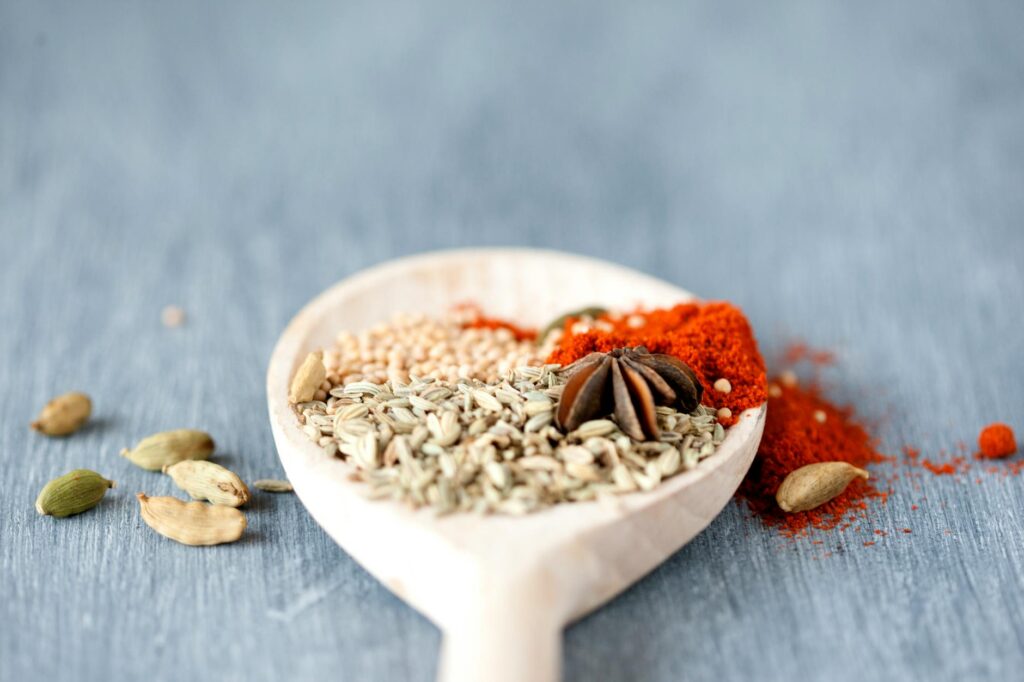
Black Pepper: Origins and Evolution
Introduction
Black pepper, known scientifically as Piper nigrum, is one of the most cherished and widely used spices globally. Often referred to as the “king of spices,” it plays a critical role in culinary traditions across cultures, providing depth of flavor and a distinctive heat to dishes. Beyond its culinary significance, black pepper has a rich history intertwined with trade, exploration, and agriculture. This article delves into the origins and evolution of black pepper, exploring its historical significance, production processes, quality grading, and more.
What Is About?
Black pepper is derived from the dried fruit of the Piper nigrum plant, a perennial vine native to the tropical regions of India and Southeast Asia. The fruit, known as a peppercorn, is harvested when it is green and unripe, then dried to produce the black spice we recognize. The spice is characterized by its pungent flavor and aromatic qualities, making it a staple ingredient in kitchens around the world.
The journey of black pepper from its origins to its current status as a global commodity reveals a fascinating narrative of cultural exchange and economic evolution. Its historical significance not only encompasses culinary applications but also highlights its role in trade and exploration.
History and Origins
The history of black pepper dates back thousands of years, with evidence of its use found in ancient texts from India, Greece, and Rome. The earliest mentions of pepper can be traced to Indian Ayurvedic literature, which dates back to around 2000 BCE. It was prized not only for its culinary applications but also for its purported medicinal properties.
As trade routes expanded, black pepper became a highly sought-after commodity in ancient times. The Spice Trade, which flourished between the 1st and 15th centuries, saw black pepper as a central player. By the time of the Roman Empire, pepper was so valuable that it was often used as currency and offered as tributes. The Roman naturalist Pliny the Elder noted its importance in his writings, describing it as a product of India that was highly esteemed.
The quest for pepper significantly influenced global exploration. European powers, particularly Portugal and later the Netherlands and England, sought new trade routes to secure supplies of this precious spice. The Portuguese navigator Vasco da Gama’s voyage to India in 1498 marked a pivotal moment in this quest, allowing Europe to establish direct trade ties with the pepper-producing regions of the East.
Production and Processing
Black pepper is cultivated primarily in tropical climates, with India, Vietnam, Indonesia, and Brazil being the leading producers. The cultivation of Piper nigrum requires specific conditions: warm temperatures, high humidity, and well-drained soil.
Cultivation
The plant typically grows on supports like trees or trellises, reaching heights of up to 10 meters. Farmers propagate black pepper by planting cuttings or seeds, with mature plants taking about three to four years to bear fruit. The flowering spikes produce small green berries, which are harvested when they are just beginning to ripen.
Harvesting
Harvesting black pepper is labor-intensive. It is usually done by hand, as workers selectively pick the ripe berries. The timing of the harvest is crucial; picking too late can lead to loss of flavor and quality. Once harvested, the green berries are typically boiled briefly to stop the enzymatic processes and then sun-dried, which causes them to darken and shrivel into the black, wrinkled spice we recognize.
Processing
The drying process not only enhances the flavor but also extends the shelf life of pepper. After drying, black pepper is often sorted and graded based on size, color, and quality. Different processing methods can yield variations such as white pepper (made from mature berries with the outer skin removed) and green pepper (harvested unripe and preserved).
Quality and Grading
The quality of black pepper is determined by several factors, including the size of the peppercorns, the level of moisture, and the absence of defects. The grading system can vary by region, but common classifications include:
- Tellicherry Pepper: Considered among the finest, these peppercorns are larger and more flavorful, originating from the Malabar Coast of India.
- Malabar Pepper: A standard quality that is slightly smaller than Tellicherry and often used in commercial products.
- Lampong Pepper: Sourced from Indonesia, these peppercorns are known for their strong flavor and pungency.
- Keep it Dry: Store black pepper in a cool, dry place away from sunlight. Moisture can lead to mold and flavor loss.
- Use Airtight Containers: Utilize airtight jars or containers to protect against moisture and air exposure.
- Whole vs. Ground: Whole peppercorns can last for up to three years if stored properly, while ground pepper may only retain its flavor for about six months.
- Check for Freshness: Regularly check for any off-flavors or odors, as these can indicate spoilage.
- Black pepper is made from unripe berries that are dried, white pepper comes from ripe berries with the outer skin removed, and green pepper consists of unripe berries that are preserved.
- Fresh black pepper should have a strong aroma and a pungent flavor. If it has lost its scent or tastes bland, it may be stale.
- While black pepper is safe in culinary amounts, excessive consumption may lead to gastrointestinal discomfort. Moderation is key.
- Yes, whole peppercorns can be used instead of ground pepper, though they will need to be crushed or ground for even distribution in dishes.
- Yes, black pepper loses its flavor over time, especially when ground. Whole peppercorns retain flavor longer than pre-ground options.
- Yes, black pepper can also be used in beverages, such as spiced teas and cocktails, as well as in infusions for oils and vinegars.
In addition to size and flavor, the presence of impurities or foreign matter can significantly impact grading. High-quality black pepper should be free from contaminants and possess a rich aroma, indicative of its freshness.
Buying Considerations
When purchasing black pepper, several factors should be considered to ensure optimal quality:
1. Form: Black pepper is available in whole, cracked, and ground forms. Whole peppercorns retain their flavor longer, while ground pepper is convenient but may lose potency quickly.
2. Freshness: Look for products with clear expiration dates. Freshly ground black pepper often provides superior flavor compared to pre-ground options.
3. Origin: Consider the source of the pepper. Specific regions are known for producing distinct varieties, each with unique flavor profiles.
4. Packaging: Opt for opaque containers to protect against light, which can degrade flavor. Airtight seals can also help maintain freshness.
5. Organic Options: If concerned about pesticide use, consider purchasing organic black pepper, which is cultivated without synthetic chemicals.
Uses and Applications
Black pepper’s versatility makes it a staple in various culinary applications. It enhances the flavor of savory dishes such as meats, vegetables, sauces, and soups. Additionally, black pepper can also be used in sweet dishes, adding complexity and a hint of warmth.
Culinary Applications
1. Seasoning: It is commonly used as a seasoning agent, either in whole or ground form, to enhance flavor profiles in various cuisines.
2. Marinades and Rubs: Black pepper is a key ingredient in marinades and spice rubs, contributing to the depth of flavor in grilled and roasted meats.
3. Condiments: It is often found in condiments such as pepper sauces, salad dressings, and vinaigrettes.
4. Beverages: Black pepper can also be used to add a spicy kick to beverages, including teas and cocktails.
5. Infusions: Chefs often infuse oils and vinegars with black pepper to create flavorful bases for dressings and marinades.
Storage and Shelf Life
To maintain the quality and flavor of black pepper, proper storage is essential. Here are some tips:
Common Misconceptions
Several misconceptions surround black pepper that are important to clarify:
1. All Pepper is the Same: While all pepper comes from the Piper nigrum plant, variations in growing conditions, processing, and grading lead to differences in flavor and quality.
2. Black Pepper is Always Spicy: While black pepper has a distinct heat, its flavor can range from mild to robust, depending on the variety and processing methods.
3. Freshly Ground Pepper is Always Better: While freshly ground pepper generally offers superior flavor, the quality of the raw peppercorns is equally important. Poor-quality peppercorns will not yield a better flavor, even when freshly ground.
4. Pepper is Only for Savory Dishes: While it is commonly used in savory cooking, black pepper can also enhance sweet dishes, offering a unique flavor contrast.
5. Black Pepper is a Modern Ingredient: In reality, black pepper has been used for millennia, playing a significant role in culinary and trade histories.
Frequently Asked Questions
1. What is the difference between black, white, and green pepper?
2. How can I tell if my black pepper is fresh?
3. Is black pepper harmful if consumed in large amounts?
4. Can I use whole peppercorns instead of ground pepper?
5. Does black pepper lose its flavor over time?
6. Are there any culinary applications for black pepper outside of cooking?
Conclusion
Black pepper’s journey from its origins in the tropical regions of India to becoming a global culinary staple illustrates its enduring significance in human culture and cuisine. Its rich history, versatile applications, and unique flavor profile make it an essential ingredient in kitchens worldwide. Whether used to enhance savory dishes or add complexity to sweet treats, black pepper remains a timeless testament to the art of flavor. Understanding its origins, production, and culinary uses offers a deeper appreciation for this remarkable spice, cementing its rightful place as the “king of spices.”