
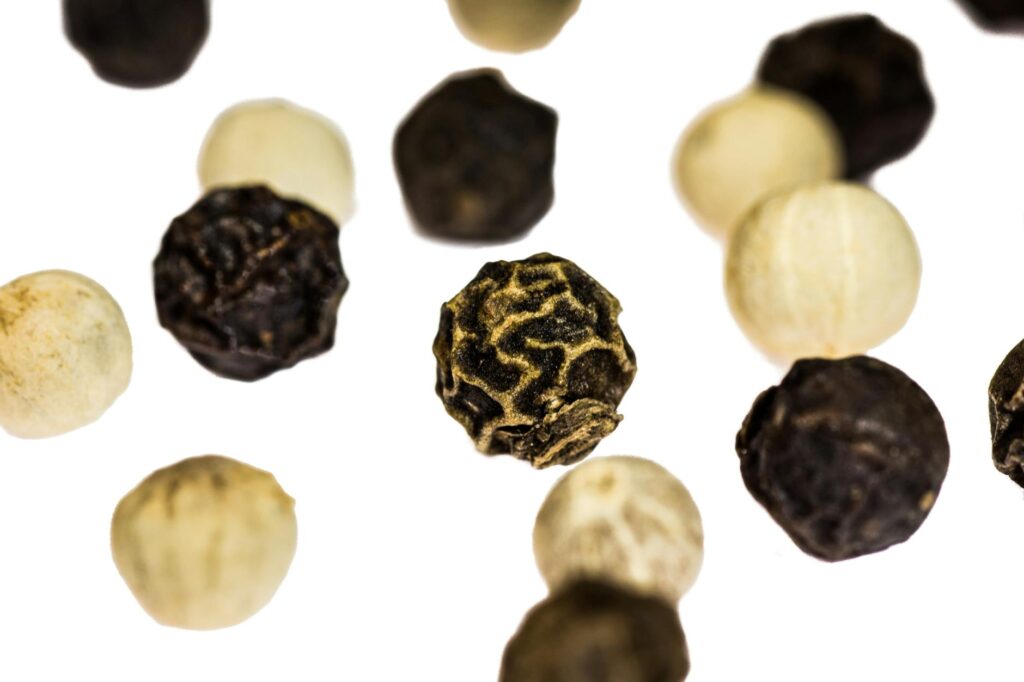
Black Pepper Regions Guide Part 6
Introduction
Black pepper, often dubbed the “king of spices,” boasts a rich history and an unparalleled significance in global cuisine. This guide delves into the various regions where black pepper is cultivated, exploring the geographical, climatic, and cultural factors that contribute to its distinct flavors and aromas. Understanding these regions not only enhances appreciation for this spice but also informs culinary choices and ingredient sourcing.
What Is Regions?
In the context of black pepper, “regions” refers to the geographical areas where the plant, Piper nigrum, is cultivated. Each region’s unique climate, soil composition, and agricultural practices profoundly influence the characteristics of the black pepper produced. From the lush plantations of India to the fertile fields of Vietnam, the diversity of origins plays a crucial role in determining flavor profiles, aromatic qualities, and market value.
History and Origins
The history of black pepper dates back thousands of years, with its origins believed to be in the Malabar Coast of India. Historical records indicate that black pepper was traded as early as 2000 BCE, making it one of the oldest spices known to humanity. It was highly valued in ancient civilizations, often used as currency and a symbol of wealth.
As trade routes expanded, black pepper became a sought-after commodity in Europe and beyond. The spice trade significantly influenced global exploration and commerce, leading to the establishment of trading companies that sought to control this lucrative market. Today, India remains a significant producer, but other regions such as Vietnam, Indonesia, and Brazil have emerged as key players in the global black pepper market.
Production and Processing
Black pepper is primarily produced in tropical regions, thriving in warm, humid climates. The key stages of production include cultivation, harvesting, and processing.
Cultivation
Black pepper plants are climbing vines that require support structures such as trees or trellises. They flourish in well-draining, nutrient-rich soils and typically grow between 10 to 15 feet tall. The plants are sensitive to temperature and moisture, necessitating specific climatic conditions for optimal growth.
Harvesting
Harvesting black pepper is a labor-intensive process. The berries are picked when they are green and just beginning to ripen, usually about six to eight months after flowering. Timing is crucial, as overripe berries can lead to undesirable flavors.
Processing
After harvesting, the green berries undergo processing to produce black pepper. The most common method involves cooking the berries briefly in hot water, which helps to clean them and initiate the fermentation process. They are then dried in the sun or using mechanical dryers until they turn dark brown or black. This final drying stage is essential for developing the spice’s characteristic flavor and aroma.
Quality and Grading
The quality of black pepper is determined by various factors, including size, color, and flavor profile. Different grading systems exist globally, with notable classifications including:
- Tellicherry Pepper: Sourced from the Malabar Coast, these are large, flavorful berries known for their superior quality.
- Lampong Pepper: Hailing from Indonesia, Lampong pepper features a distinct pungency and is often used for its strong flavor.
- Vietnamese Pepper: Known for its fruity notes, this variety has gained popularity in recent years due to its robust flavor and competitive pricing.
- Origin: Understanding the source of the pepper can provide insights into its flavor profile and quality. For instance, Tellicherry black pepper is often preferred for its complex flavor.
- Form: Black pepper is available in various forms, including whole berries, cracked, and ground. Whole berries tend to retain their flavor longer, while ground pepper is convenient for immediate use.
- Packaging: Opt for airtight packaging to preserve freshness. Avoid buying bulk pepper that may have been exposed to air, light, and moisture.
- Certification: Look for certifications such as organic or fair trade, which can indicate sustainable farming practices and ethical sourcing.
- Seasoning: Black pepper is frequently used to season meats, vegetables, soups, and sauces, enhancing the overall flavor profile of dishes.
- Marinades: It is often incorporated into marinades for meats and seafood, adding depth and complexity.
- Finishing Touch: Freshly cracked black pepper is commonly used as a finishing touch on dishes, providing a burst of flavor and aroma.
- Keep It Cool and Dry: Store black pepper in a cool, dark place away from direct sunlight and humidity. A pantry or spice cabinet is usually ideal.
- Use Airtight Containers: Transfer pepper to airtight containers to prevent moisture absorption and preserve freshness. Glass jars or vacuum-sealed bags are excellent choices.
- Check for Freshness: Whole peppercorns can last for several years if stored correctly, whereas ground pepper loses flavor more quickly, typically within six months.
- All Black Pepper Tastes the Same: In reality, the flavor profile of black pepper varies significantly depending on its origin. Different regions produce peppers with distinct characteristics.
- Black Pepper Is Always Spicy: While black pepper does have a certain heat, its flavor is
Grading often considers the absence of defects, such as mold or foreign matter, and the overall appearance of the berries.
Buying Considerations
When purchasing black pepper, several factors should be taken into account:
Uses and Applications
Black pepper is a versatile spice used across a myriad of culinary applications. Its pungent flavor complements a wide range of dishes, making it a staple in kitchens around the world. Some common uses include:
In addition to culinary applications, black pepper is also utilized in the beverage industry, particularly in the production of certain spirits and flavored teas.
Storage and Shelf Life
To maintain the integrity of black pepper, proper storage is essential. Here are some guidelines:
Common Misconceptions
Despite its popularity, several misconceptions about black pepper persist: