
Bok Choy Growing Guide Part 6
Introduction
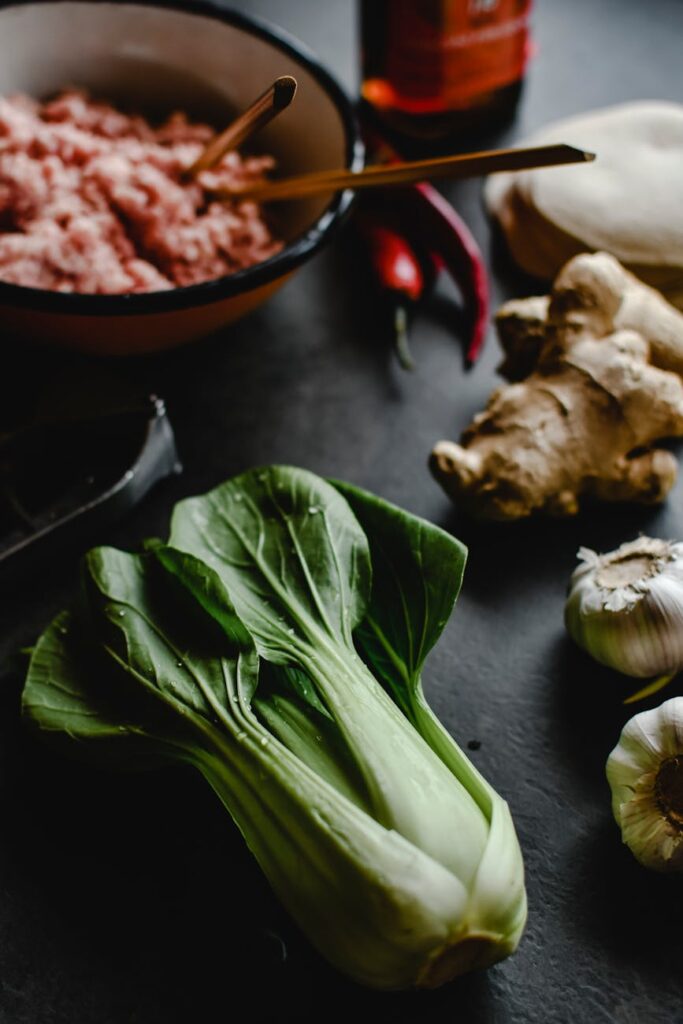
Bok choy, also known as Chinese cabbage, has become a staple in kitchens worldwide due to its versatility in various cuisines. This leafy green, characterized by its crisp white stalks and dark green leaves, is not only a culinary delight but also a valuable ingredient for home gardeners and commercial producers alike. In this comprehensive guide, we will delve into the intricacies of growing bok choy, covering everything from its historical roots to practical cultivation techniques, quality grading, and storage considerations.
What Is Growing?
Growing refers to the process by which plants develop from seeds into mature, harvest-ready specimens. This encompasses various stages, including germination, vegetative growth, and maturation. Understanding the growth cycle of bok choy is crucial for successful cultivation, as it informs planting times, care routines, and harvesting strategies.
Bok choy typically requires a cool growing season, thriving in temperatures ranging from 55°F to 75°F (13°C to 24°C). Its rapid growth rate—often maturing within 30 to 60 days—makes it an appealing choice for gardeners seeking quick returns.
History and Origins
Bok choy has a rich history that dates back more than 1,500 years in China, where it has been cultivated for both its nutritional value and culinary versatility. The name “bok choy” translates to “white vegetable” in Cantonese, reflecting its characteristic appearance. Originally, it was grown in the Yangtze River Delta and gradually spread throughout Asia and beyond.
Over the centuries, various cultivars of bok choy have emerged, adapting to different climates and culinary preferences. Today, it is a key ingredient in many Asian dishes, and its popularity continues to grow globally, making it a common sight in supermarkets and farmers’ markets.
Production and Processing
The commercial production of bok choy involves several steps, from seed selection to harvesting and processing. High-quality seeds are crucial for ensuring robust growth and disease resistance. There are several cultivars available, including the popular “Shanghai” and “Taiwan” varieties, each with its own unique characteristics.
Soil Preparation
Bok choy prefers well-draining soil rich in organic matter. Prior to planting, soil should be tested for pH levels, ideally between 6.0 and 7.5. Incorporating compost or well-rotted manure can enhance soil fertility, providing essential nutrients for growth.
Planting
Bok choy can be grown from seeds or transplants. If starting from seeds, sow them about ¼ to ½ inch deep and 12 to 18 inches apart. For transplants, ensure they are well-established before placing them in the ground. This can give the plants a head start and help them thrive.
Watering and Care
Regular watering is vital, especially during dry spells. Bok choy requires consistent moisture to prevent bolting—when the plant prematurely flowers and goes to seed. Mulching can help retain soil moisture and suppress weeds.
Pest and Disease Management
Common pests such as aphids and cabbage worms can pose threats to bok choy. Integrated Pest Management (IPM) strategies, including the use of beneficial insects, can effectively control these pests. Additionally, practicing crop rotation can minimize disease risks.
Harvesting
Bok choy is typically ready for harvest in 30 to 60 days. Harvesting can be done by cutting the plant at the base, ensuring that the roots remain in the soil for potential regrowth. Alternatively, whole plants can be harvested at once or selectively, allowing younger leaves to continue growing.
Quality and Grading
Quality assessment of bok choy is essential for both producers and consumers. High-quality bok choy should exhibit vibrant green leaves, firm stalks, and a crisp texture. When grading bok choy, several criteria are taken into account:
- Appearance: Leaves should be free from blemishes and discoloration.
- Texture: Stalks should be firm and crunchy, indicating freshness.
- Size: Uniformity in size can be crucial for marketability, especially in commercial settings.
- Freshness: Look for bok choy with crisp leaves and firm stalks. Avoid any that appear wilted or yellowing.
- Seasonality: Bok choy is typically in season during the cooler months. Buying in season can ensure better quality and taste.
- Source: If possible, inquire about the source of the bok choy. Locally grown options may be fresher and more flavorful.
- Stir-fries: Bok choy is a popular addition to stir-fried dishes, absorbing flavors from sauces and other ingredients.
- Soups: Its ability to retain texture even after cooking makes it a great choice for soups and broths.
- Salads: Raw bok choy can be shredded or chopped and added to salads for a refreshing crunch.
- Pickling: Young leaves and stalks can be pickled, offering an alternative way to preserve this ingredient.
- Refrigeration: Store bok choy in the refrigerator, ideally in the vegetable crisper drawer. This helps maintain a cool
Grading systems may vary by region, but the overall goal remains the same: to provide consumers with the freshest and most appealing product possible.
Buying Considerations
When purchasing bok choy, whether at a grocery store or a farmer’s market, several factors should be taken into account:
Uses and Applications
Bok choy is a versatile ingredient that can be used in a variety of culinary applications. Its mild flavor and crunchy texture make it suitable for both raw and cooked dishes. Here are some common uses:
Storage and Shelf Life
Proper storage is essential for maintaining the quality of bok choy post-harvest. To maximize freshness: