
Bok Choy Production by Country
Introduction
Bok choy, also known as Chinese cabbage, is a cruciferous vegetable that has become increasingly popular around the world. With its tender leaves and crisp stalks, bok choy is a versatile ingredient found in various culinary traditions. This article delves into the production of bok choy across different countries, examining the regional practices, historical significance, and economic impact of this nutritious vegetable.
What Is Regions?
In the context of agricultural production, “regions” refers to geographical areas where specific crops are cultivated. These regions can vary based on climate, soil type, and cultural practices, which all contribute to the characteristics and quality of the produce. Understanding the regional variations in bok choy production helps consumers appreciate the nuances of this vegetable and how its cultivation is influenced by local conditions.
History and Origins
Bok choy has roots that trace back over 5,000 years to China, where it was cultivated for its leaves and stems. The name “bok choy” comes from the Cantonese word for “white vegetable.” Over centuries, it has evolved into various cultivars, adapted to different climates and agricultural practices.
Historically, bok choy was primarily consumed in Asia, but its introduction to other parts of the world has led to its incorporation into diverse cuisines. The vegetable gained prominence in the West during the 20th century, largely due to the increasing popularity of Asian cuisine.
Production and Processing
Major Producing Countries
Bok choy is cultivated in several countries, with China being the largest producer, accounting for more than 90% of the global supply. Other significant producers include:
- United States: Primarily grown in California, where the Mediterranean climate is conducive to vegetable production.
- Japan: Known for its unique varieties and cultivation techniques.
- South Korea: Integrated into traditional dishes, contributing to both local consumption and export.
- Taiwan: Renowned for its high-quality bok choy, often exported to other Asian markets.
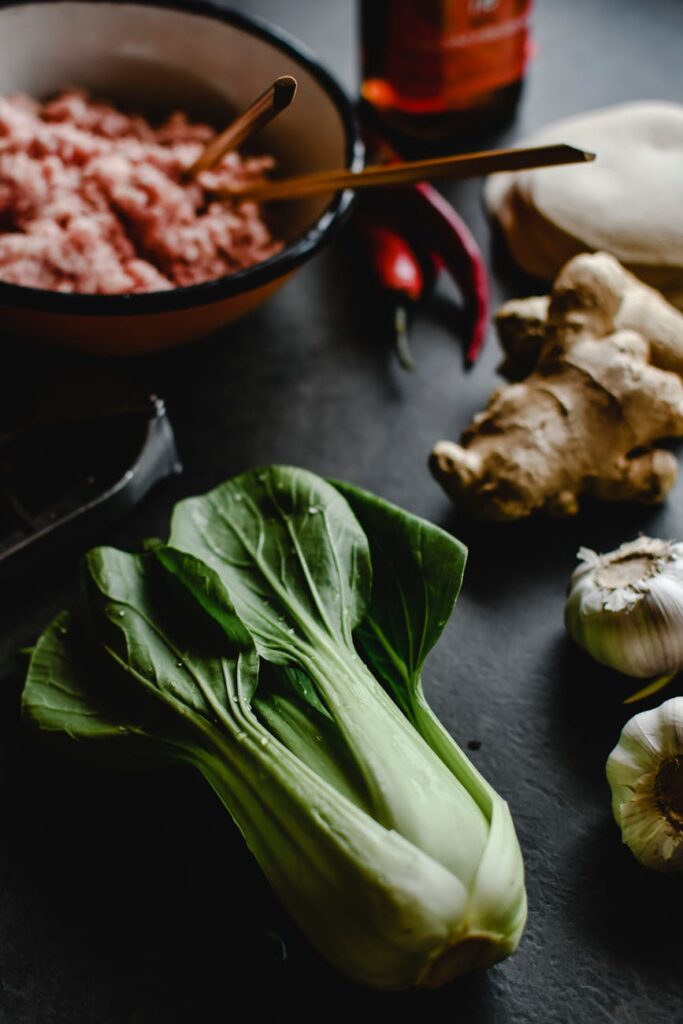
- Appearance: Look for firm stalks and vibrant green leaves. Avoid any with yellowing or wilting.
- Seasonality: Bok choy is typically in season during the cooler months, making it more flavorful and nutritious.
- Source: Ideally, purchase from local or organic farms to support sustainable practices and ensure freshness.
- Storage: Proper storage can extend the shelf life of bok choy, which will be discussed in the next section.
- Stir-Fried: A popular method in Asian cuisines, where it is often combined with proteins and sauces.
- Soups: Commonly added to broths, enhancing flavor and nutrition.
- Salads: When young and tender, bok choy can be consumed raw, providing a crunchy texture.
- Pickled: A traditional preservation method in many Asian cultures, giving it a unique flavor profile.
Cultivation Practices
Bok choy thrives in cool weather, with optimal temperatures ranging from 55°F to 75°F (13°C to 24°C). It can be grown in both open fields and greenhouses, with farmers employing techniques such as crop rotation and companion planting to enhance soil fertility and pest resistance.
In regions with harsher climates, farmers may utilize hydroponic systems to produce bok choy year-round. This method reduces the risk of pests and diseases while maximizing yield.
Processing
After harvesting, bok choy undergoes a series of processing steps to ensure freshness and quality. This includes washing, trimming, and packaging. Depending on the market, bok choy may be sold fresh, frozen, or pickled. The processing methods can vary by region, influenced by local preferences and available technology.
Quality and Grading
Quality and grading standards for bok choy may differ between countries but generally include assessments of size, color, and texture. In the United States, the USDA has established grading systems that classify bok choy into different categories—US Fancy, US No. 1, and US No. 2—based on these criteria.
In Asian markets, quality is often determined by freshness, with consumers favoring vegetables that are bright green, firm, and free from blemishes. Exported bok choy must meet the quality standards of the importing country, ensuring that it retains its desirable characteristics during transportation.
Buying Considerations
When purchasing bok choy, consumers should consider several factors to ensure they select the freshest and highest quality produce:
Uses and Applications
Bok choy is a versatile ingredient used in various culinary applications. It can be:
In addition to its culinary uses, bok choy is celebrated for its nutritional benefits, including being a source of vitamins A, C, and K, as well as fiber.
Storage and Shelf Life
To maintain freshness, bok choy should be stored in a cool, humid environment. Ideally, it should be kept in the refrigerator, wrapped in a damp paper towel and placed in a plastic bag. Under proper conditions, bok choy can last for about 3 to 5 days.
For longer storage, bok choy can be blanched and frozen. This method preserves its color, flavor, and nutritional value, allowing it to be enjoyed even when out of season.
Common Misconceptions
Despite its increasing popularity, several misconceptions about bok choy persist:
1. Bok Choy Is Only for Asian Dishes: While it is a staple in Asian cuisine, bok choy can be incorporated into various dishes, including Western salads and soups.
2. All Bok Choy is the Same: There are several varieties of bok choy, including Shanghai bok choy and Nappa cabbage, each with distinct flavors and uses.
3. Bok Choy is Hard to Cook: In reality, bok choy is versatile and can be prepared quickly, making it an accessible ingredient for home cooks.
Frequently Asked Questions
1. What is the best way to prepare bok choy?
The best way to prepare bok choy depends on personal preference. It can be stir-fried, steamed, or added to soups. For raw consumption, young and tender leaves work best in salads.
2. Can I eat bok choy raw?
Yes, young and tender bok choy can be eaten raw. It adds a crunchy texture and mild flavor to salads.
3. How do I know if bok choy is fresh?
Fresh bok choy will have vibrant green leaves and firm stalks. Avoid any that appear wilted, yellowed, or have brown spots.
4. Is bok choy a good source of nutrients?
Indeed, bok choy is rich in vitamins A, C, and K, along with minerals like calcium and iron, making it a nutritious addition to meals.
5. How long can I store bok choy in the refrigerator?
When stored properly, bok choy can last 3 to 5 days in the refrigerator. For longer storage, consider blanching and freezing it.
6. Are there different varieties of bok choy?
Yes, there are several varieties, including Shanghai bok choy, Nappa cabbage, and baby bok choy, each with unique flavor profiles and culinary uses.
Conclusion
Bok choy, with its rich history and diverse applications, continues to thrive as a globally valued vegetable. Understanding its production by country not only enhances our appreciation for this ingredient but also highlights the cultural and agricultural practices that shape its journey from farm to table. Whether enjoyed in traditional dishes or modern culinary creations, bok choy remains a symbol of nutrition and versatility in the kitchen.