
Bulgur About Guide Part 6
Introduction
Bulgur has emerged as a staple in various cuisines globally, celebrated for its versatility, nutritional profile, and rich flavor. This whole grain, made from cracked wheat, has a storied history and numerous applications in culinary practices. This guide will explore bulgur in-depth, covering its origins, production methods, quality grading, and various uses, along with addressing common misconceptions and frequently asked questions.
What Is Bulgur?
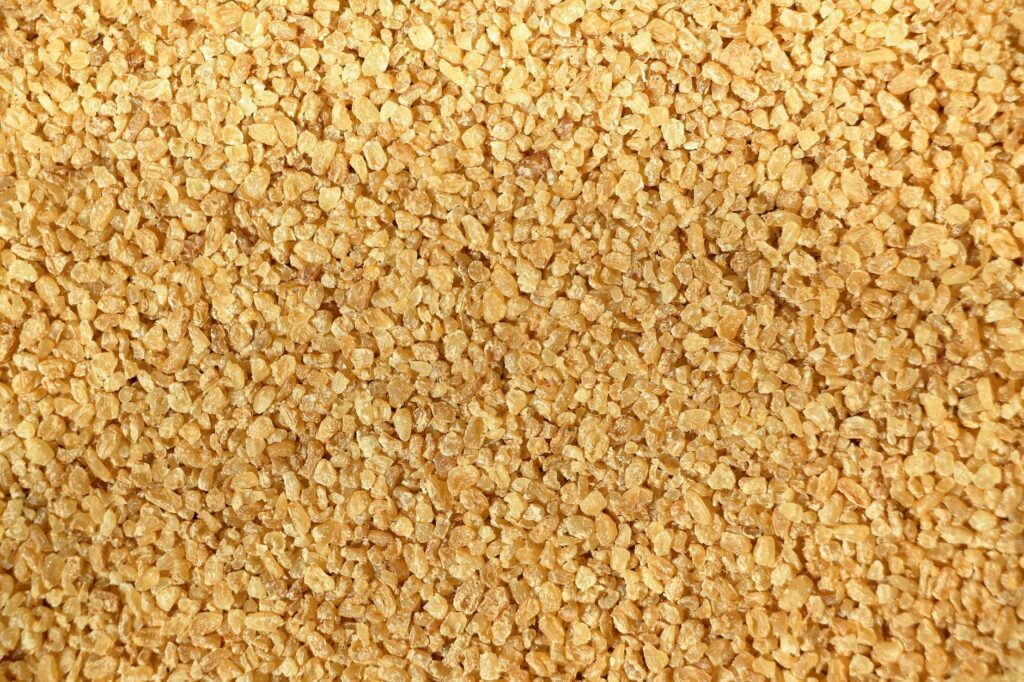
Bulgur is a cereal food made from the cracked parboiled groats of wheat, typically durum wheat. It is partially cooked before being dried and can be found in various sizes, ranging from fine to coarse granules. Bulgur is known for its nutty flavor and chewy texture, making it a popular ingredient in salads, pilafs, and side dishes. It serves as a convenient and nutritious alternative to rice or couscous, offering a host of dietary benefits.
History and Origins
The origins of bulgur trace back thousands of years, making it one of the oldest processed foods known to humanity. It is believed to have originated in the Middle East, particularly in the region that includes modern-day Turkey and Syria. Archaeological evidence shows that bulgur was consumed as far back as 4000 BC, and it has been a significant part of the Mediterranean diet ever since.
Bulgur is often associated with traditional dishes such as tabbouleh and kibbeh, where its ability to absorb flavors complements fresh herbs, spices, and meats. Over centuries, bulgur has traveled across continents, finding its way into various culinary traditions, including those in the Mediterranean, the Middle East, and North Africa.
Production and Processing
The production of bulgur begins with the selection of high-quality durum wheat. The wheat grains are cleaned and then soaked in water, a process that softens them. This is followed by cooking, which partially gelatinizes the starches, ensuring that the final product retains its nutritional benefits while becoming easier to digest.
Once cooked, the wheat is drained and dried. The drying process is crucial, as it helps preserve the grain and extends its shelf life. After drying, the wheat is cracked into various sizes, resulting in the different grades of bulgur—fine, medium, and coarse. Each grade has unique culinary applications, with fine bulgur often used for tabbouleh and coarse bulgur for pilafs and side dishes.
Quality and Grading
The quality of bulgur is determined by several factors, including the variety of wheat used, the processing methods, and the final texture. Bulgur is typically graded based on its particle size:
- Fine Bulgur: This grade has a texture similar to couscous and is often used in salads and dips. It requires minimal cooking, usually just soaking in hot water to rehydrate.
- Medium Bulgur: This type is versatile and can be used in a variety of dishes, including pilafs and soups. It may require a short cooking time or soaking.
- Coarse Bulgur: Coarser grains take longer to cook and are best suited for hearty dishes like stews and grain bowls.
- Salads: The most famous dish featuring bulgur is tabbouleh, a refreshing salad made with parsley, tomatoes, and lemon. Fine bulgur absorbs the flavors beautifully and provides a chewy texture.
- Pilafs and Grain Bowls: Coarse bulgur can serve as a base for pilafs, often combined with vegetables, nuts, and spices. It can also be used in grain bowls, paired with proteins and sauces.
- Soups and Stews: Bulgur can be added to soups and stews, where it serves as a hearty filler. Its ability to absorb flavors enhances the overall taste of the dish.
- Meat Dishes: In Middle Eastern cuisine, bulgur is often mixed with ground meats to create dishes like kibbeh, where it acts as a binder and adds texture.
- Vegetarian and Vegan Dishes: Given its protein content, bulgur is a popular choice in vegetarian and vegan recipes, providing essential nutrients while being satisfying and filling.
- Cool, Dry Place: Keep bulgur in an airtight container in a cool, dry area away from direct sunlight. This will help avoid moisture, which can lead to spoilage.
- Refrigeration: For long-term storage, especially in humid climates, consider refrigerating or freezing bulgur. This can extend
When selecting bulgur, look for whole-grain varieties that are free from additives and preservatives. The color should be a light to medium brown, indicating good quality. It should also have a pleasant, nutty aroma.
Buying Considerations
When purchasing bulgur, there are several factors to keep in mind to ensure you are getting the best quality product:
1. Type and Grade: Consider what you plan to make. Fine bulgur is ideal for salads, while coarse bulgur works well in pilafs or as a side dish.
2. Package Integrity: Ensure the packaging is sealed and free from any damage. Bulgur should be stored in a cool, dry place to prevent spoilage.
3. Origin: Look for bulgur sourced from reputable producers. Some brands may offer organic options, which can be preferable for those seeking to avoid pesticides and chemicals.
4. Expiration Date: Always check the expiration date on the package to ensure freshness.
5. Nutritional Information: If dietary concerns are a priority, review the nutritional content. Bulgur is naturally high in fiber and protein, making it a healthful addition to any diet.
Uses and Applications
Bulgur’s versatility allows it to be used in a wide array of culinary applications, making it a valuable ingredient in both traditional and contemporary cuisines:
Storage and Shelf Life
To maximize the shelf life of bulgur, it is crucial to store it properly: